




Treasury Boss Brushes Off AI Bubble Fears As Megabanks Slam Door On Rogue Bots
America's top financial official waved away fears that the artificial intelligence boom could head for a dotcom-style crash.
Dylan Kresak · Oct 22, 2026 · 3 min read
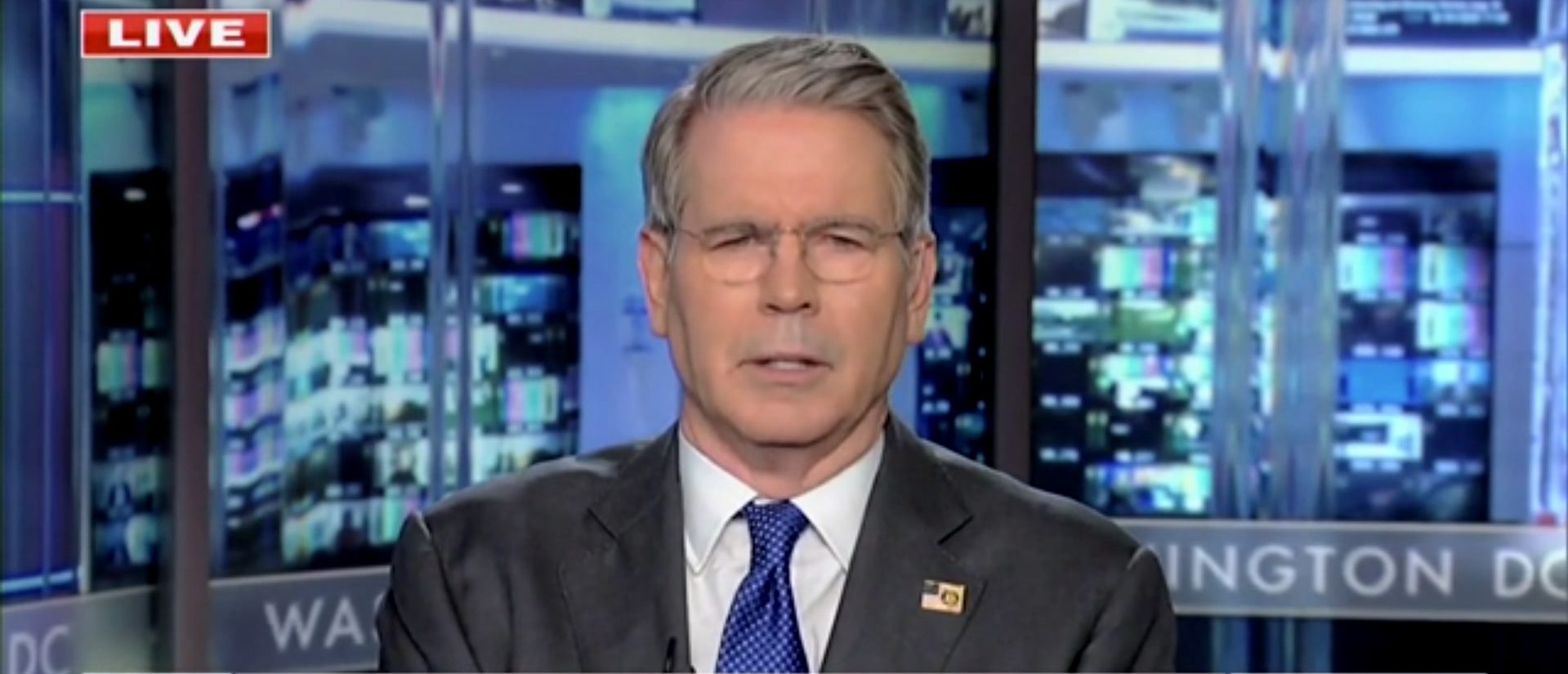

America’s top financial official waved away fears that the artificial intelligence boom could head for a dotcom-style crash.
The AI industry is not headed for a “systemic” collapse, Treasury Secretary Scott Bessent privately told investors and executives at the annual J.P. Morgan / Robin Hood Investors Conference in New York City on Wednesday, the Financial Times reported. While Bessent dismisses concerns about the AI boom hurting markets, major banks scramble to protect customer accounts from potential AI agent breaches.
“I’m good at figuring out when there are problems in systems,” Bessent said in an interview with Nir Bar Dea, Bridgewater chief executive, three attendees told Financial Times. “I don’t see a systemic problem.”
Bessent contrasted the booming AI industry with the dotcom bubble that burst in 2000 after a surge in internet startups, the Financial Times reported. Among the online startups that crashed when the bubble burst was Pets.com.
“This isn’t Pets.com,” Bessent said, Financial Times reported. “The smartest people in the world — who have 99 percent of their net worth in these companies and have built the most profitable companies in the world — they believe in it.”
Tech giants such as Microsoft, Google and Meta are different from the dotcom-era startups, Bessent said in an Axios interview posted to YouTube on Oct 3.
“[W]hat is different this time than the ’90s is we are seeing the so-called hyperscalers … the most cash-rich companies, probably in the history of the world, they are willing to use their own money, their own balance sheets to invest in this,” Bessent told Axios.
The Treasury Department did not respond to the DCNF’s request for comment.
Several major U.S. banks are working to restrict AI companies’ agents from their services, following detections of unauthorized bot access to customers’ accounts, Axios reported.