




Trump Officials Aren’t Waiting On Congress To Speed Up Permits For Pipelines And Power Lines
Trump administration officials laid out plans Tuesday to speed up permits for pipelines and power lines while a Senate permitting deal waits for a vote.
Simon August · Oct 13, 2026 · 5 min read
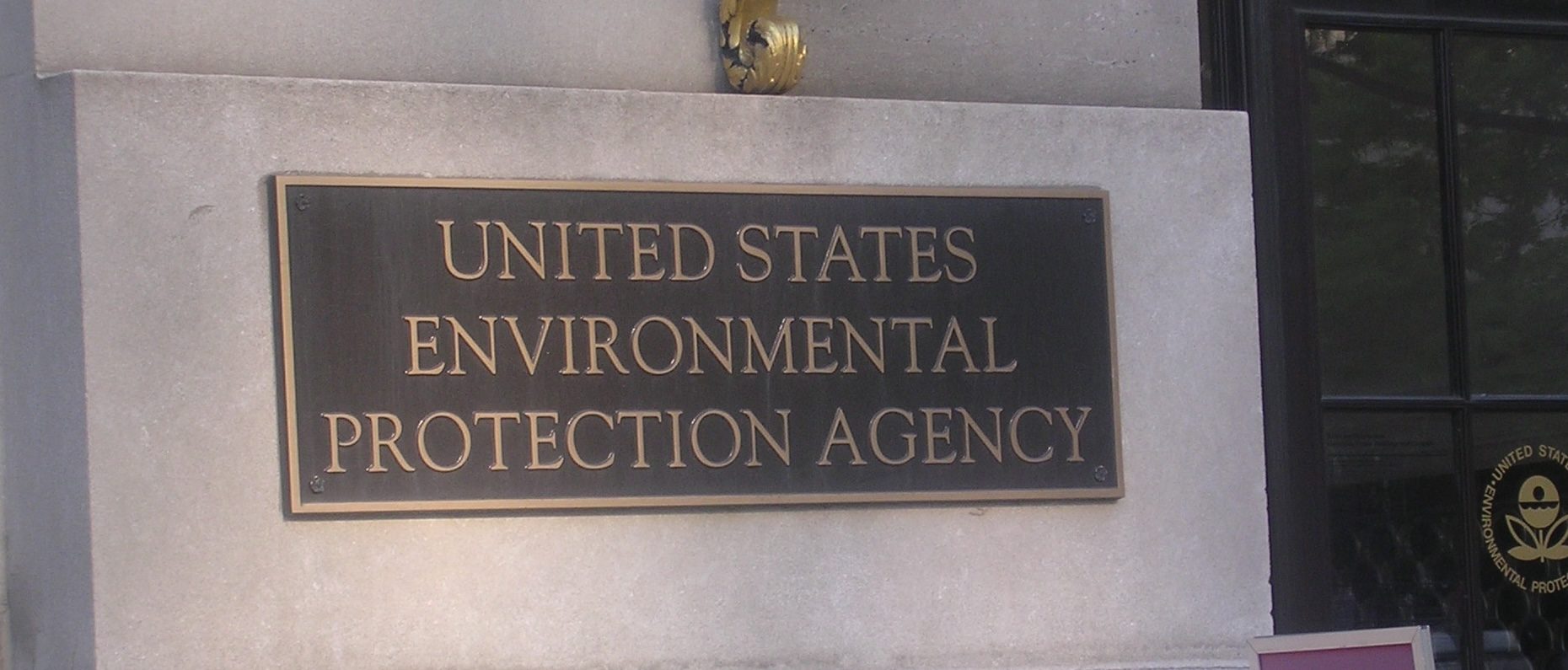

WASHINGTON — Trump administration officials laid out plans Tuesday to speed up permits for pipelines and power lines while a Senate permitting deal waits for a vote.
Senate negotiators reached a bipartisan deal last month to limit lawsuits against energy projects, but a floor vote is not expected until the lame-duck session after the midterm elections, according to PBS News. Officials from the Army, the EPA and the Interior Department described the permit changes their agencies are already making on a panel at the Association of the U.S. Army’s (AUSA) annual meeting in Washington, D.C.
“A lot of it is transmitting that energy across our country, whether it’s power lines, whether it’s pipelines, and I think that is now the greatest opportunity, and unfortunately, happens to be one of the areas of greatest … litigation in the country,” Interior Deputy Secretary Kate MacGregor said on the panel.
The permitting system so often ends in litigation that companies cannot assure shareholders when a project will be delivered, MacGregor said, adding that “we need aggressive action.”
“What you need is the strength and durability of these decisions to last beyond just one administration,” she said of the discussion over judicial review of permits.
Lee Forsgren, the senior official performing the duties of the assistant secretary of the Army for civil works, said the Army Corps of Engineers is about to send the White House Office of Management and Budget a rulemaking with proposals to “significantly expand” the use of its nationwide permits.
A total of six officials spoke at a panel titled “Delivering for the Nation: Infrastructure, Economic Security, and Crisis Response.” Stuart Levenbach, an associate director at the White House Office of Management and Budget, moderated.
Forsgren said the Corps will look at “ways to increase the viability of energy projects, pipelines, transmission lines for electricity,” which he said “right now, can be done under nationwide [permits], but there are significant limitations.”
“Right now, the individual permit can easily take at least a year, frequently two,” Forsgren said. “Nothing is being approved during that permitting time.”