




Trump, Putin, Xi Unveil Historic ‘Peace’ Declaration, But Major Wars Remain Unresolved
President Donald Trump joined Russian President Vladimir Putin and Chinese President Xi Jinping on Thursday in announcing a historic agreement to pursue nuclear talks, increase global oil supplies and reform international institutions.
Francis Kapper · Nov 19, 2026 · 5 min read
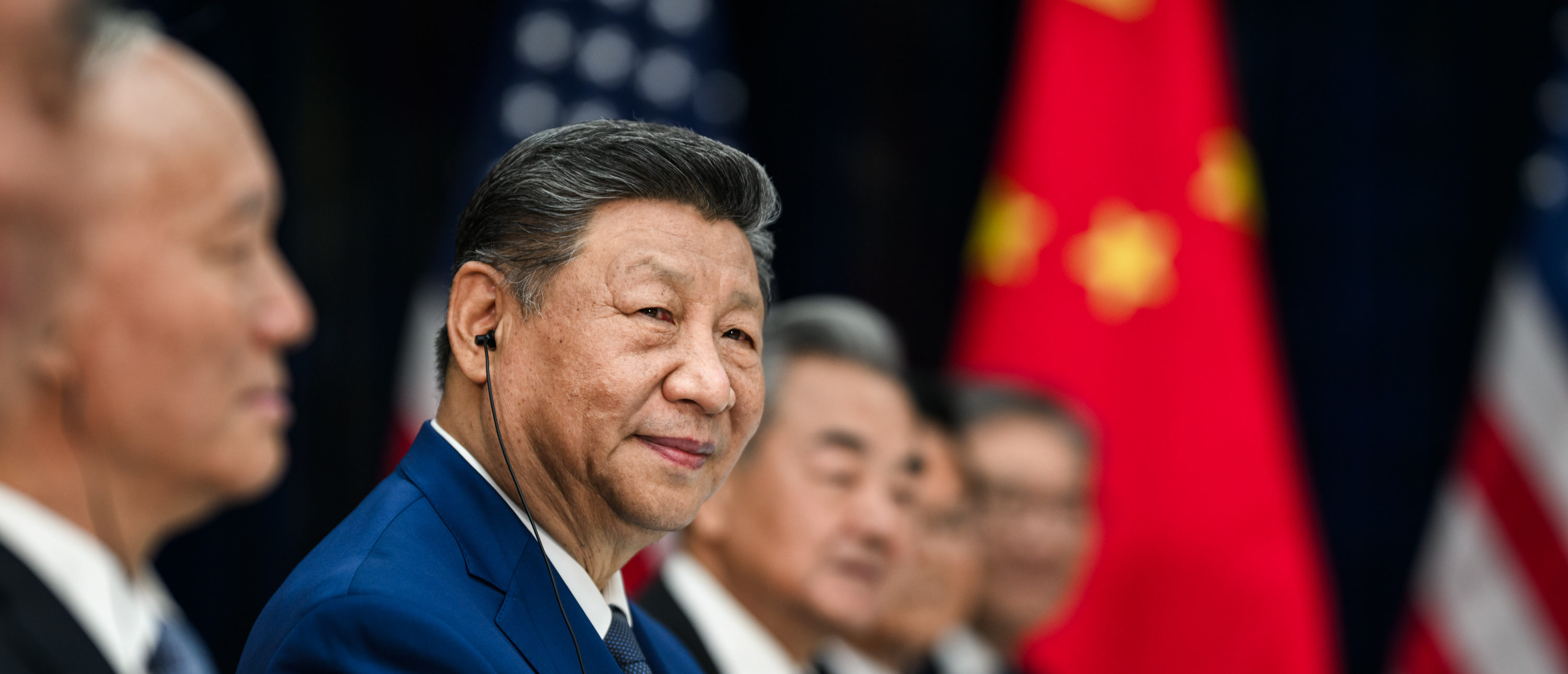

President Donald Trump joined Russian President Vladimir Putin and Chinese President Xi Jinping on Thursday in announcing a historic agreement to pursue nuclear talks, increase global oil supplies and reform international institutions.
The three leaders issued a four-point declaration following their unprecedented summit in Shenzhen, China, according to the White House. However, the agreement contains no binding nuclear weapons reductions, implementation deadlines or concrete plans to end ongoing wars in Ukraine and Iran.
Trump is scheduled to hold a press conference at the White House on Friday following his return from China. The president described his trip as “Great and Highly Consequential” and said he would also discuss trade agreements with Thailand, the Philippines and other countries in a Truth Social post Thursday.
China hosted the summit, with the American and Russian presidents thanking Beijing for organizing the meeting. The leaders discussed international security and maintaining strategic stability, according to the White House.
Perhaps the most significant development was a joint commitment to reducing the risk of nuclear conflict.
The three leaders reaffirmed that a nuclear war “cannot be won and must never be fought,” according to the White House.
Washington, Moscow and Beijing also pledged to begin discussions on preventing nuclear proliferation and reducing nuclear risks. However, the declaration does not specify when negotiations will begin or whether the countries intend to establish binding limits on their arsenals, according to the White House.
The announcement follows the Feb. 5 expiration of New START, the last major nuclear arms control treaty between Washington and Moscow. The agreement previously imposed limits on deployed American and Russian strategic nuclear weapons, according to the United Nations.
The trilateral commitment also brings China into discussions on nuclear risks as Beijing continues expanding its arsenal.