




Trump’s Refinery DPA Gambit Is The Right Move At The Right Time
David Blackmon · Oct 24, 2026 · 4 min read
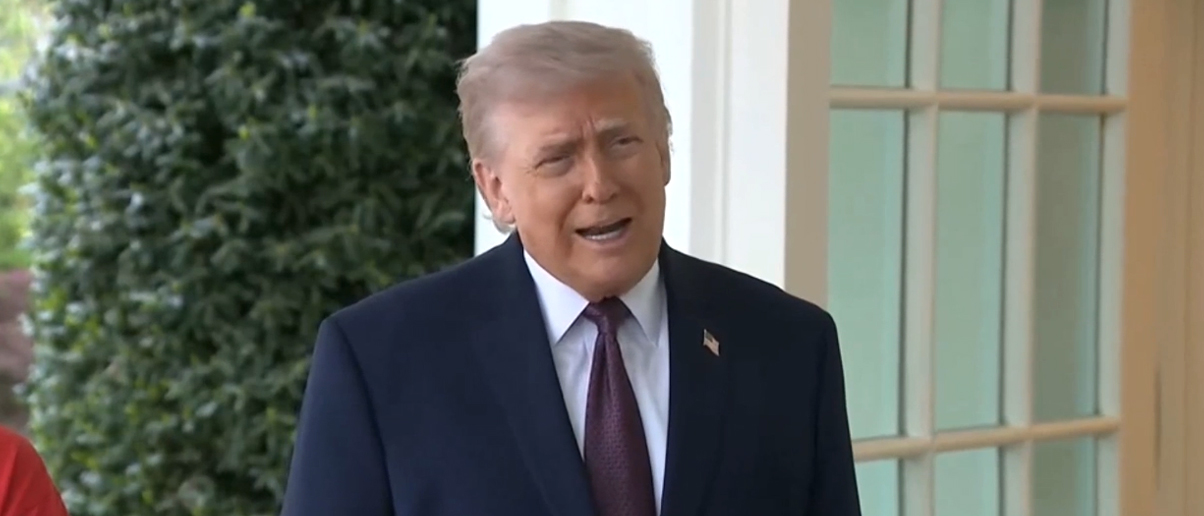

No president can order a new refinery into existence. Not even Joe Biden’s autopen could accomplish that. But a president and his energy secretary can make it easier to expand one or bring one back out of mothballs, and that is what Donald Trump and Chris Wright announced this week.
The Department of Energy announced plans on Thursday to provide up to $150 million in Defense Production Act (DPA) funding to expand petroleum production, storage, and logistics at qualifying refineries. The money will come from the $1 billion congress appropriated for national security energy projects in last year’s Working Families Tax Cuts law. Trump signed a presidential determination on the same day declaring domestic refining, pipelines, storage and marine terminals “essential to the national defense.”
Wright was blunt, blaming “17 years of Democrat leaders enacting energy subtraction policies that led to the closure of refineries and more expensive refined oil products.”
So, why is this the right move? The numbers make a compelling case. Diesel prices at over $6.00 per gallon and gasoline costing $4.29/gallon per AAA cry out for innovative solutions. At the same time, U.S. refiners have been running all-out for far too long, reaching 97% capacity levels in August and still running above 93%. There is no slack left in a system that desperately needs some.
The slack is gone because we’ve been shrinking it for many years. EIA data show U.S. operable capacity fell by about 263,000 barrels per day from January 2025 through January 2026. The industry lost LyondellBasell’s big Houston refinery, while Gavin Newsom’s California regulators succeeded in forcing the closures of both Phillips 66’s Los Angeles complex and Valero’s Benicia plant. These refineries all closed due to economics and regulation, not because Americans stopped needing fuel.
But a little energy realism is also needed here. Wright was candid in admitting restarts are hard, calling Benecia “a tough challenge” given the California government’s open hostility to the industry. “We are talking about reopening every refinery we can,” he said in Houston this week, adding, “I’m not saying all these are going to happen.”
DOE says the selection process “is ongoing,” and no recipients have been named. The only project identified so far is an expansion of Delek’s 74,000 b/d refinery in Tyler, Texas, which Vice President JD Vance announced on October 13 with no disclosed dollar figure or capacity target.
Thus, it is unrealistic to expect any relief at the pump by Thanksgiving or even Christmas stemming from this policy action. Expansions and/or restarts take months or years, and $150 million — even “heavily co-funded” by the industry players — doesn’t go far in such a capital-intensive industry. What the program does do quickly is signal that Washington wants more fuel made in America, not less, a stark contrast to every U.S. presidency other than the two Trump administrations over the last half century.
The bigger story is the precedent. Using DPA authority to treat refining as defense-critical infrastructure is a departure from decades of federal policy that treated refineries as sunset assets in a dying industry to be regulated, taxed, and litigated into oblivion. If this move helps shake loose permits and private capital, that’s a big win.