




Want to Fix the Border Crisis? Take a Look at Factory Farms
Meghan Miller · Nov 18, 2026 · 5 min read
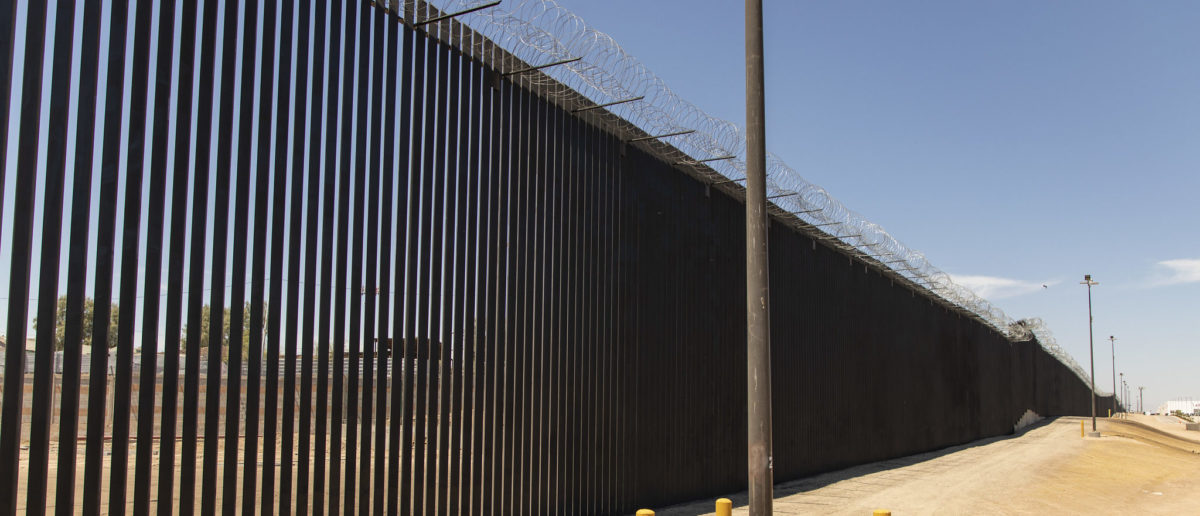

In a surprising 60 Minutes interview on Sunday, President Donald Trump admitted his administration’s mass deportation policy may have been “too tough,” impacting the midterm elections. Just days earlier, possible 2028 presidential contender Republican Florida Gov. Ron DeSantis expressed nearly the opposite sentiment, “Why haven’t we codified Trump’s immigration executive orders? Why haven’t we stripped jurisdiction from the federal courts over deportation cases?”
As the GOP grapples with this issue following significant midterm losses, shifting strategies from mass deportations to mandatory employer compliance offers a principled path forward, one grounded in economic logic. More than deciding whether federal immigration policy should be tougher or more lenient, the targeting strategy itself must be recalibrated to proactively address the economic engine driving unauthorized immigration.
Many undocumented workers come to America fleeing violence, poverty, or political instability. These are supply-side “push” factors that the U.S. has limited control over, though border enforcement, diplomacy and political pressure certainly play a role in addressing them.
Currently, the federal government isn’t doing nearly enough to address demand-side “pull” factors, like employers providing jobs to undocumented workers and exploiting other aspects of our immigration system. The industrial farming industry, which we focus on heavily at the Wilberforce Institute, offers one of the clearest examples.
Factory farms and meatpacking plants rely heavily on illegal labor, employing an estimated 300,000 undocumented workers across the livestock, meat and dairy sectors combined.
To put this in perspective, across all US industries only about 17 percent of workers are immigrants, but the dairy industry subset, for example, employs an estimated 51 percent. While national statistics on dairy workers’ legal status are not readily available, state-level evidence reveals the undocumented proportion is likely very high. For instance, a 2023 UW-Madison survey found more than 10,000 undocumented workers in Wisconsin were performing about 70 percent of the state’s dairy farm labor. For meatpacking workers, estimates of undocumented individuals range from 23 percent to 50 percent, according to the American Immigration Council and the University of Michigan respectively.
Factory farms often fill labor shortages with undocumented workers because existing legal pathways, like H-2A visas for seasonal labor, are insufficient to cover their year-round needs. But there is an even more underhanded motivation at play.
Factory farm workers spend their days in incredibly unsanitary and unhealthy conditions, exposed to environmental toxins and drug-resistant bacteria while performing physical tasks that put them at risk for injury. Meatpacking workers, who handle the slaughter, processing and packaging of animals for human consumption, operate in similarly dangerous conditions with Occupational Safety and Health Administration data revealing that 17 severe incidents involving “hospitalizations, amputations or loss of an eye” occur monthly across U.S. meat plants, including an average of two amputations a week.
Employers are well aware of these hazards. By knowingly hiring undocumented workers, bad actors leverage their workers’ immigration status to protect themselves from accountability, believing vulnerable individuals are far less likely to report labor, wage or safety violations.