




White House Silent On Israel’s Massive NDAA Windfall Despite Trump’s Aid Cut Pledge
The White House won't say whether President Donald Trump plans to oppose congressional efforts to expand military cooperation with Israel despite his pledge to end American financial assistance to the country.
Francis Kapper · Nov 18, 2026 · 6 min read
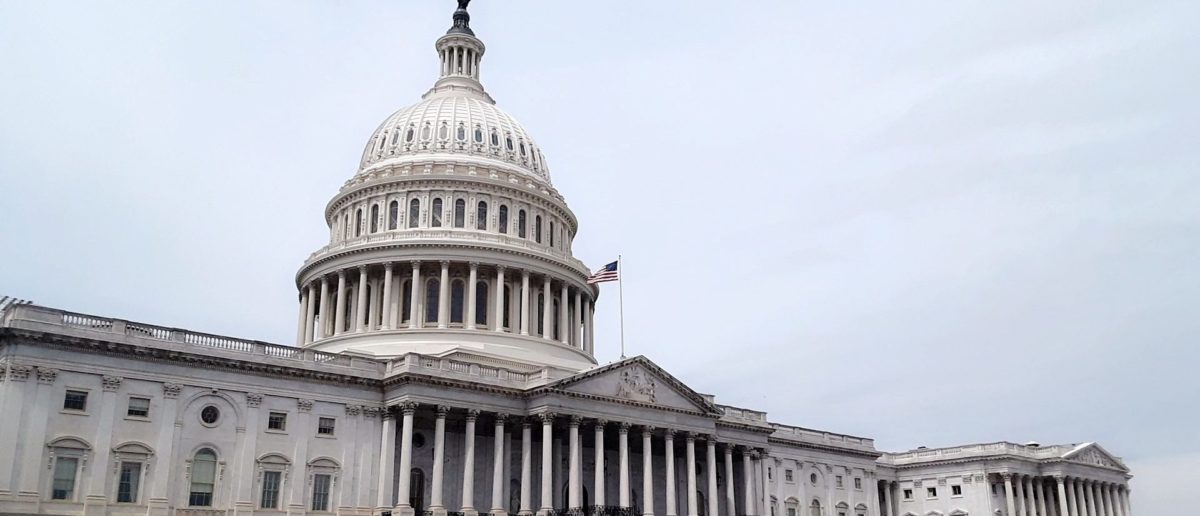

The White House won’t say whether President Donald Trump plans to oppose congressional efforts to expand military cooperation with Israel despite his pledge to end American financial assistance to the country.
Congress is racing to finalize the roughly $1.15 trillion fiscal 2027 National Defense Authorization Act (NDAA) during the lame-duck session, with the annual military policy bill still awaiting Senate action after passing the House in July, according to the Congressional Research Service. The legislation is among Congress’s major year-end priorities ahead of a Dec. 11 government funding deadline and the arrival of a new Democratic-controlled Congress in January.
The Daily Caller News Foundation asked the White House whether it supports removing three hotly debated Israel-related provisions from the final NDAA, how their inclusion aligns with Trump’s promise to end assistance and whether the administration has discussed their removal with congressional leadership.
Trump announced on Nov. 3 that the United States would terminate approximately $4 billion in annual assistance to Israel by the end of the year, describing the financial arrangement as unnecessary during an appearance on “Fox & Friends,” according to the interview transcript.
Israeli Prime Minister Benjamin Netanyahu approached Trump months earlier about ending the assistance, the U.S. president said, adding that Israel could still purchase American weapons after the aid ends, according to the transcript.
The House-passed NDAA includes hundreds of millions of dollars for Israeli weapons programs, while the Senate’s version proposes expanding joint military research and manufacturing.
The White House has not clarified whether these expenditures would be affected by Trump’s promised aid cuts after multiple requests for comment.
Republicans’ sweeping defeat in the Nov. 3 midterm elections generated additional questions about the administration’s relationship with Israel, particularly after Vice President J.D. Vance publicly blamed the ongoing Iran War and American support for Israel for the party’s losses.
“The reason we lost is the war,” Vance wrote in a lengthy Nov. 4 X post.