




Scholar Challenges Longstanding Claims About Ancient Record of Jesus
A nearly 2,000-year-old account of Jesus written by a Jewish historian is drawing renewed attention after a university scholar argued that the disputed passage may be more authenti… — by Andrew Powell
FaithTap · Oct 31, 2026 · 2 min read
By Andrew Powell (/journals/andrew-powell)
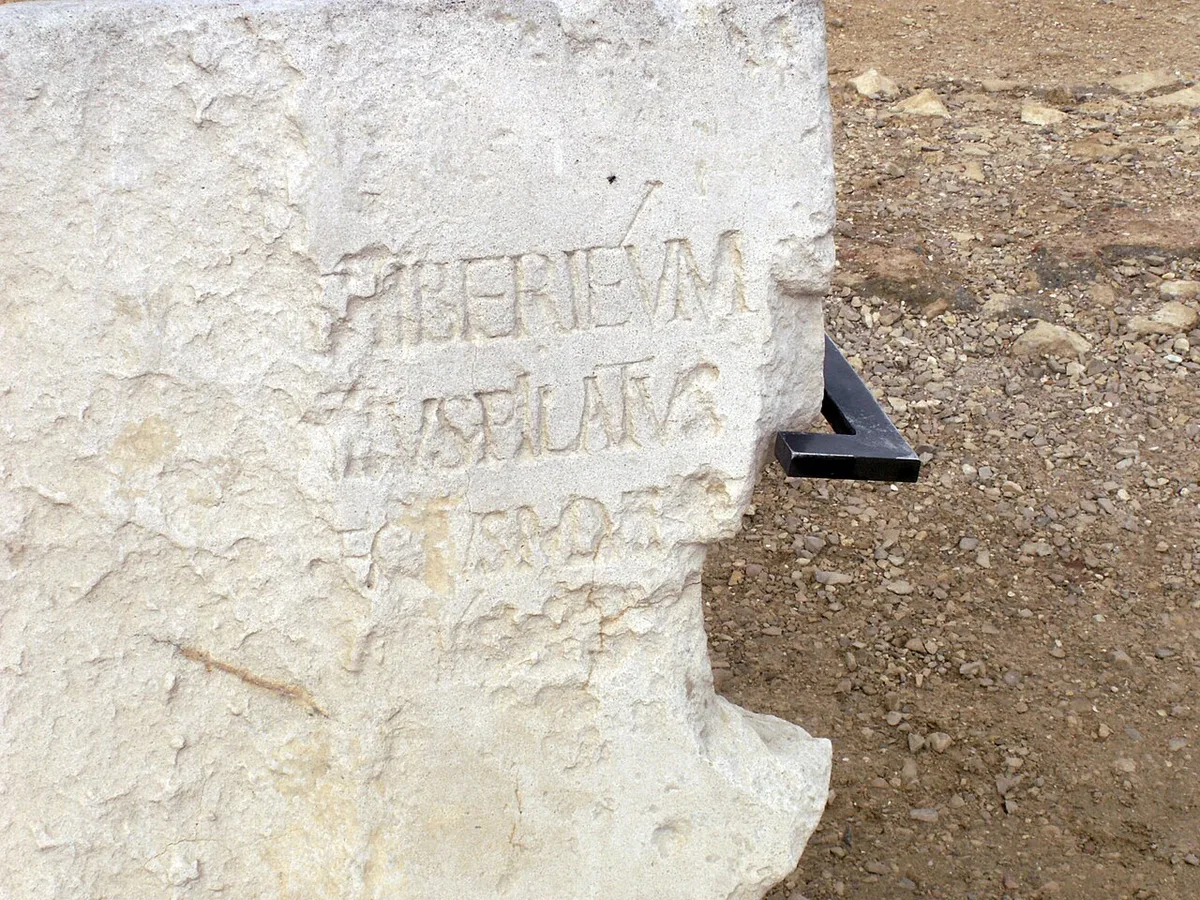
A nearly 2,000-year-old account of Jesus written by a Jewish historian is drawing renewed attention after a university scholar argued that the disputed passage may be more authentic than many historians have believed. According to Fox News, T.C. Schmidt, an associate professor of religious studies at Fairfield University in Connecticut, has spent years examining the passage written by Josephus in his work "Antiquities of the Jews." His 2025 book, "Josephus and Jesus: New Evidence for the One Called Christ," lays out the case for why he believes the account was not substantially altered by later Christian writers. Josephus, who lived from approximately 37 to 100 A.D., described Jesus as a wise man who gathered followers and was sentenced to crucifixion under Pontius Pilate. The passage also mentions reports that Jesus appeared alive again after his death. The text has long been disputed because some of its statements about Jesus appear unusually favorable for a non-Christian Jewish historian. Some scholars have argued that Christian scribes modified the original account to reflect their beliefs. Schmidt told Fox News Digital that his research points in a different direction. He compared versions of the passage in Greek, Latin, Syriac, Arabic and Armenian, then used linguistic research and computer-assisted analysis to examine whether its wording matched Josephus' known writing style. “I show that every single phrase in the passage can be indexed back to Josephus. It all sounds like something Josephus would say,” Schmidt said. He also argued that certain descriptions have been interpreted too favorably toward Christianity. Josephus' reference to Jesus performing supernatural deeds, for example, does not necessarily indicate that he believed those powers came from God. Schmidt said the wording could also reflect beliefs about supernatural forces from a non-Christian perspective. Schmidt believes the passage supports several details also found in the Gospels, including Jesus' followers, reputation for miracles and execution under Pilate. The reference to the resurrection, however, requires a distinction. Schmidt said Josephus did not personally affirm that Jesus rose from the dead, but did acknowledge that Jesus' followers believed he had appeared alive on the third day. The debate over the passage's authenticity is far from settled, and historians continue to disagree about whether portions were changed over time. Schmidt said he has identified two or three additional possible connections between Josephus and people associated with Jesus' crucifixion since publishing his book. He said those findings could become the subject of future research. “I was taught my whole scholarly life that this paragraph by Josephus was not authentic. And I believed that,” Schmidt said. “But as I began sifting the evidence, everything kept pointing to the idea that it's authentic.”