




Tony Dungy Trusts God After Loss
Coach publicly credits faith after son's death.
FaithTap · Sep 23, 2026 · 11 min read
The side door of Idlewild Baptist Church opened onto a corridor already thick with the smell of lilies and polished wood. I stood just inside it, clipboard in hand for the seating chart no one had asked for, watching the Colts come through one by one. Their dress shoes sounded wrong on the carpet. Hunter Smith passed first, then the rest of the special-teams unit, heads down, hands empty. They filed past the open casket without speaking.
Dungy entered last with Lauren under his right arm. He stopped at the cherrywood box, leaned in, and stayed there long enough for the line behind him to pause. When he straightened, his eyes were dry. He guided her to the front pew and sat with his shoulder touching hers. The lid closed on a quiet signal from the funeral director.
Two thousand people filled the sanctuary. Tagliabue sat three rows back with the other league officials. Edwards, Green, Smith, and Del Rio took the row behind the family. Mean Joe Greene and Darrell Green stood along the side wall because there were no seats left. The service ran two hours. Dungy spoke for twenty minutes, voice steady except when he reached the part about Thanksgiving. He said he had told James he would see him later and had not reached for him at the airport. The words landed and stayed in the air.
After the cemetery the team returned to the facility. Practices continued under the assistants. Dungy stayed in Tampa another week, then flew back to Indianapolis. The preliminary autopsy stayed in the papers for a few days, then moved off the front page. Phone calls from strangers arrived at the office every morning, some asking for the coach, most just wanting to say they had heard the service on the radio.
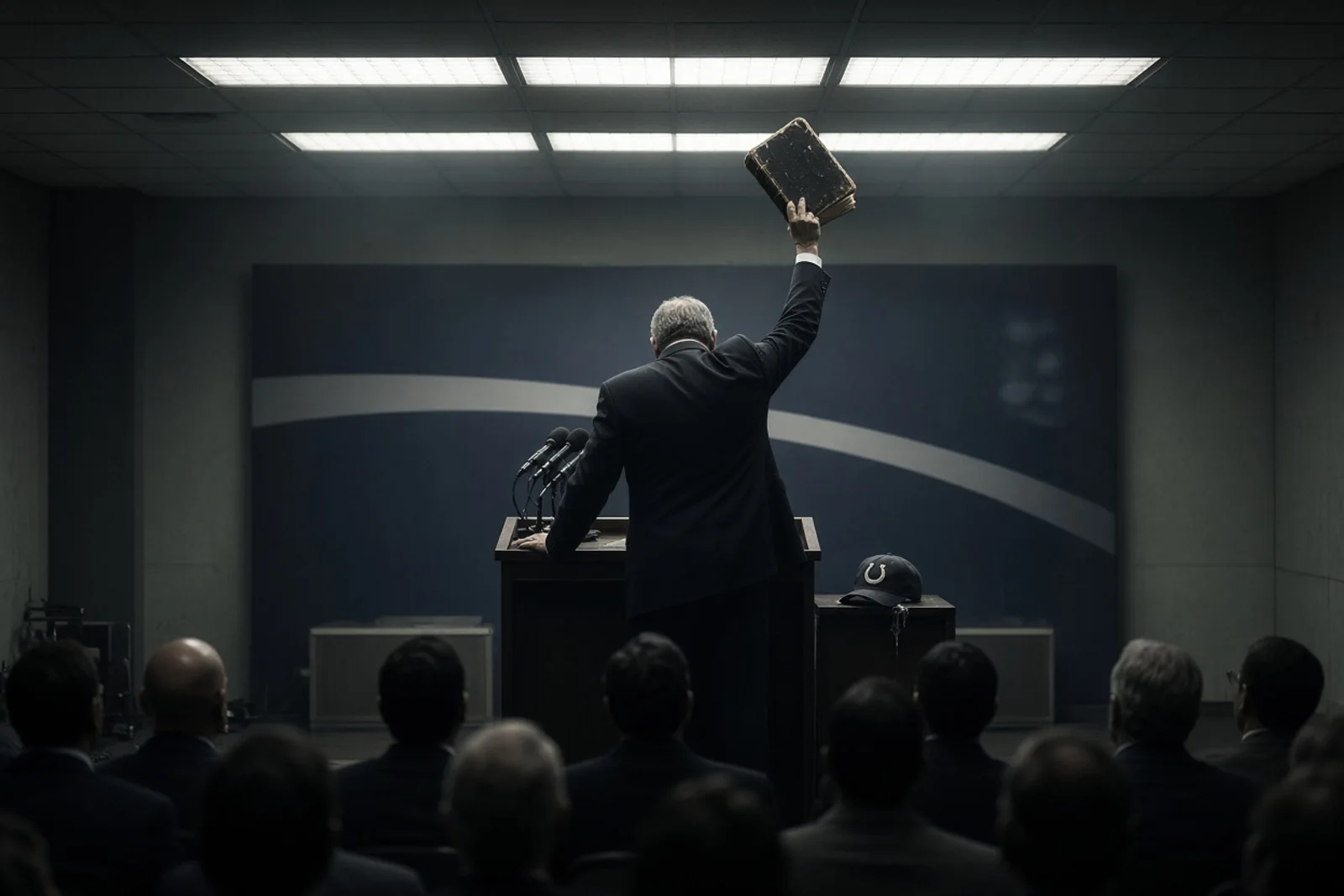
February brought the Athletes in Action breakfast in Detroit. I rode with the advance party to the hotel ballroom. The room held former players, league people, and a few hundred ticket holders who had paid for the tables. A short video played before Dungy stepped to the podium. Smith’s voice came through the speakers saying this was how a Christian man should coach. Dungy waited for the applause to settle. He began with the same line he had used at the funeral about hugging children, then moved to what he had learned from James.
He told the room his son had been a believer. He said letters had come from people who decided to live after hearing the service. He mentioned the corneas that had already been transplanted. Then he stopped and looked at the front tables. If God had asked him beforehand whether James’s death could be traded for the salvation of others, he would have refused. God had faced the same question two thousand years earlier and answered differently. Dungy’s voice stayed level through the sentence. When he finished, he asked anyone who wanted to receive Christ for the first time to stand. Several dozen people rose. He led the prayer from the stage without notes.
Afterward he stayed at the head table answering questions from people who had never met him. He did not mention returning to the sideline. The Colts finished the season and reached the playoffs. Dungy coached every game. In the off-season the same breakfast organizers invited him back for the following year. He accepted on the condition that he would come only if his team was playing the next day.
The last time I saw him before training camp he was standing outside the facility with two of his younger sons. He kept one hand on each boy’s shoulder while he talked to a security guard about parking passes. The boys shifted their weight but did not pull away. When the guard left, Dungy walked them to the car without looking back at the building.
The 2006 training camp opened on July 28 at Anderson University with 82 players on the initial roster and Dungy running the first walkthrough at 8:15 a.m. under a heat index of 94 degrees. He stood at the 50-yard line with quarterbacks coach Jim Caldwell and called out the cadence for the opening 11-on-11 period while Peyton Manning threw to Marvin Harrison on a slant route that covered 14 yards. Dungy spoke afterward with safety Antoine Bethea about the coverage shell they had used in the spring minicamp, saying the adjustment against play-action would come from the linebacker drop rather than the safety rotation. The next morning he met with general manager Bill Polian in the facility film room at 6:40 a.m. to review the third-down packages, and the two men marked 17 specific formations on the whiteboard before the full squad arrived. By the third week the team had logged 14 padded practices and Dungy had conducted individual exit interviews with 11 veterans, including center Jeff Saturday, who later told reporters the coach had asked about the timing of the shotgun snap on third-and-long.