




How to boil an egg
For anyone who wants a tender white and a yolk cooked just how they like it—say Place, cover, boil, rest, chill, peel each time.
IJR · Sep 26, 2026 · 2 min read
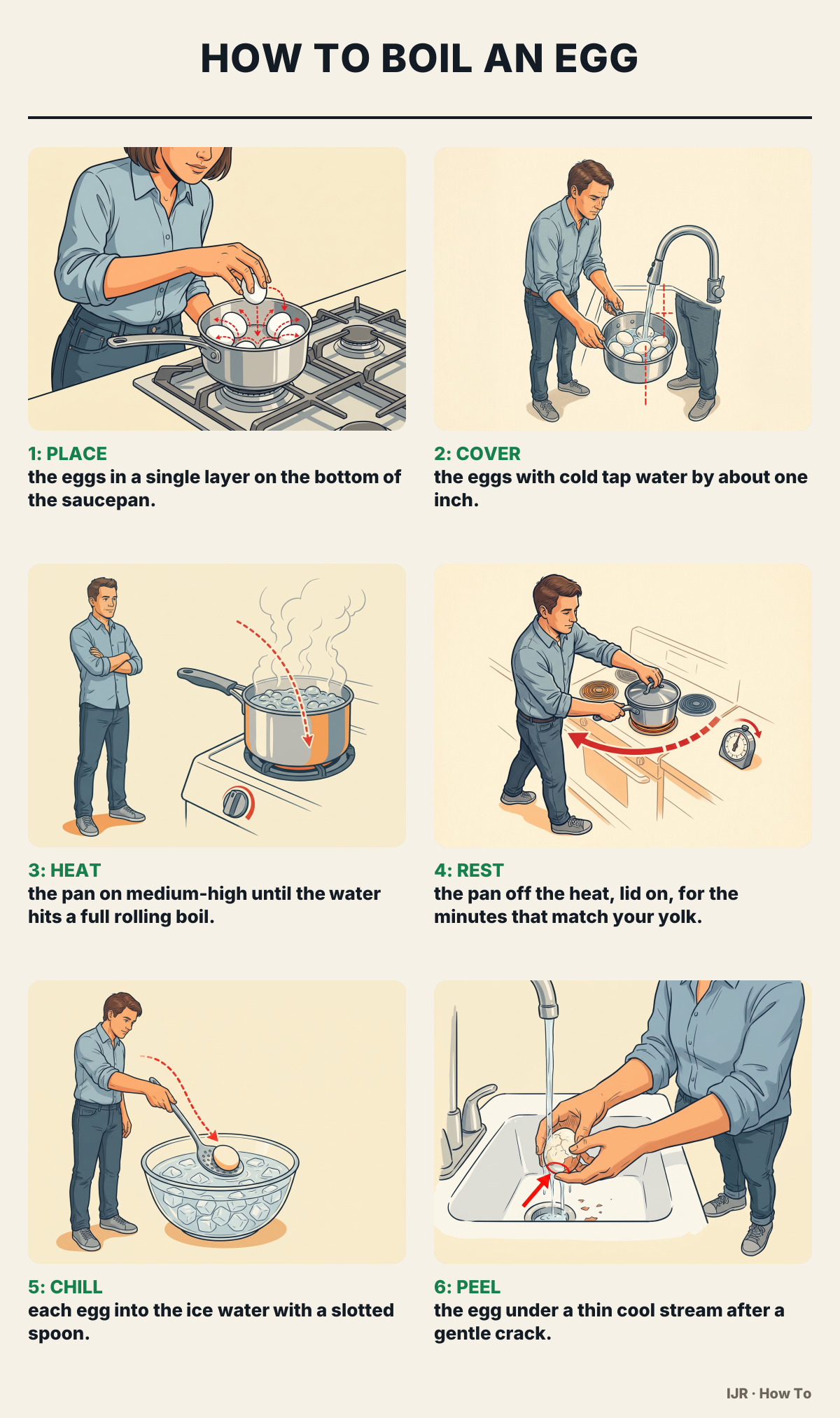
Eggs firm up from the outside in once the water around them is hot. Matching the minutes after the boil to the yolk you want is the whole game.
Gather: a small saucepan, cold tap water, one to six fridge-cold eggs, a slotted spoon, a bowl of ice water, a lid, and a timer.
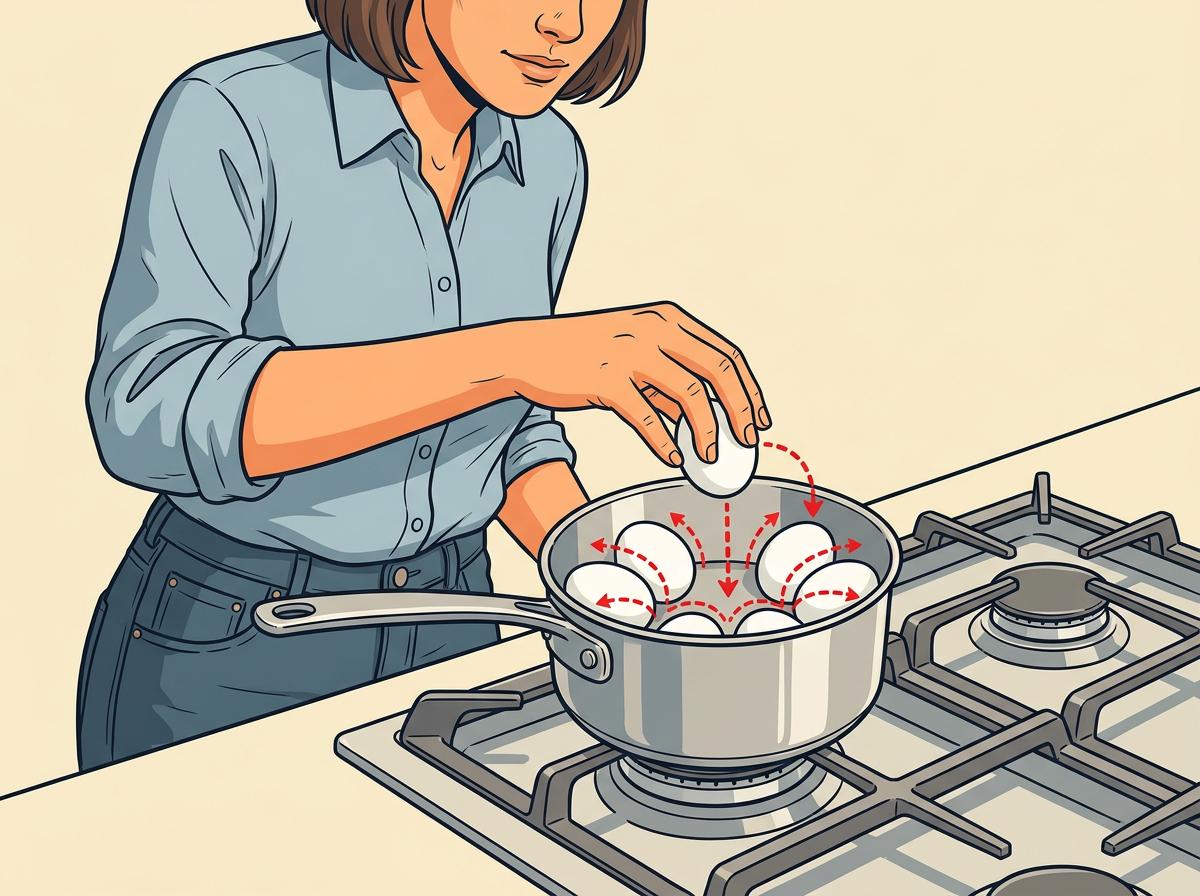
They must sit flat with no stacking. Glance down: if you can still see pan bottom between them, the layer passes; if one rests on another, switch to a wider pot.
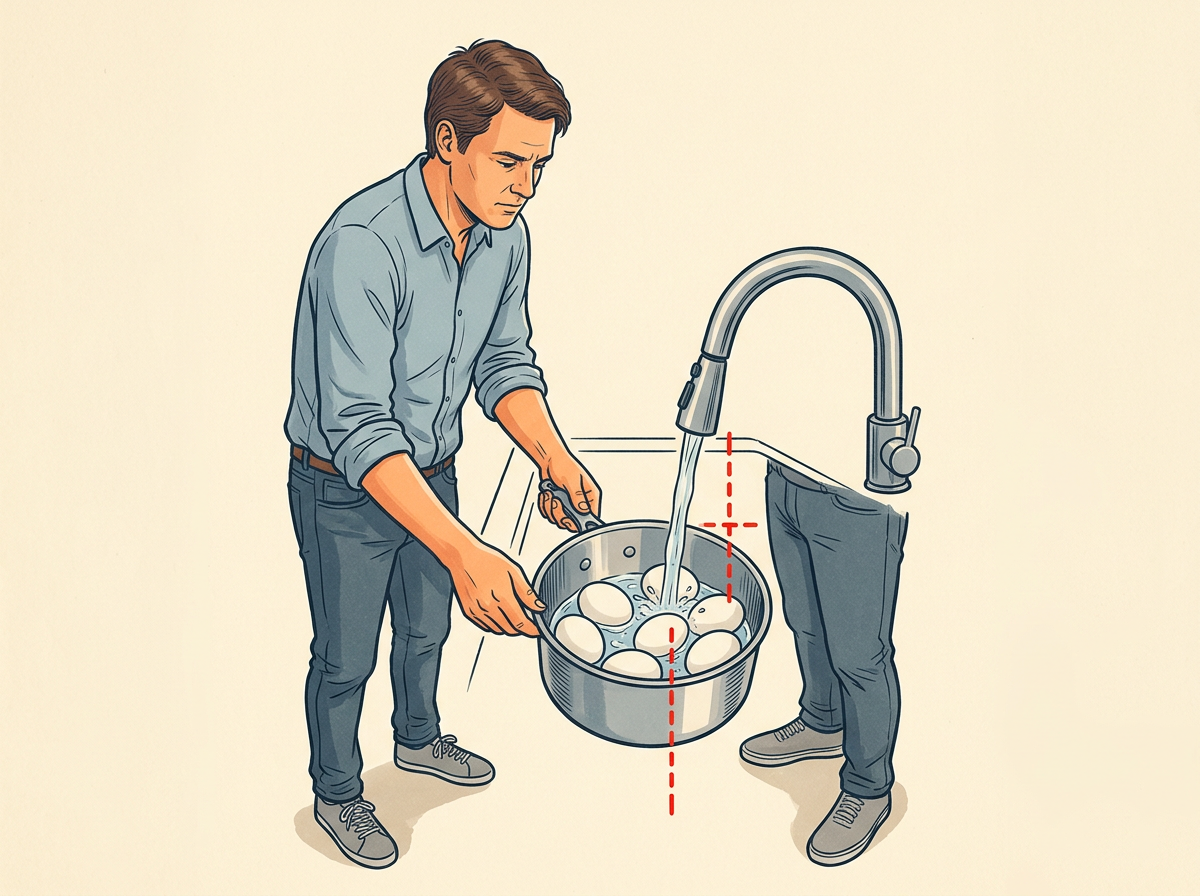
Cold start cooks them evenly. Dip a fingertip at the rim—the water should sit roughly one finger-joint above the tops; add or pour off until it does. Pot shape can change the exact look, so trust the finger check.
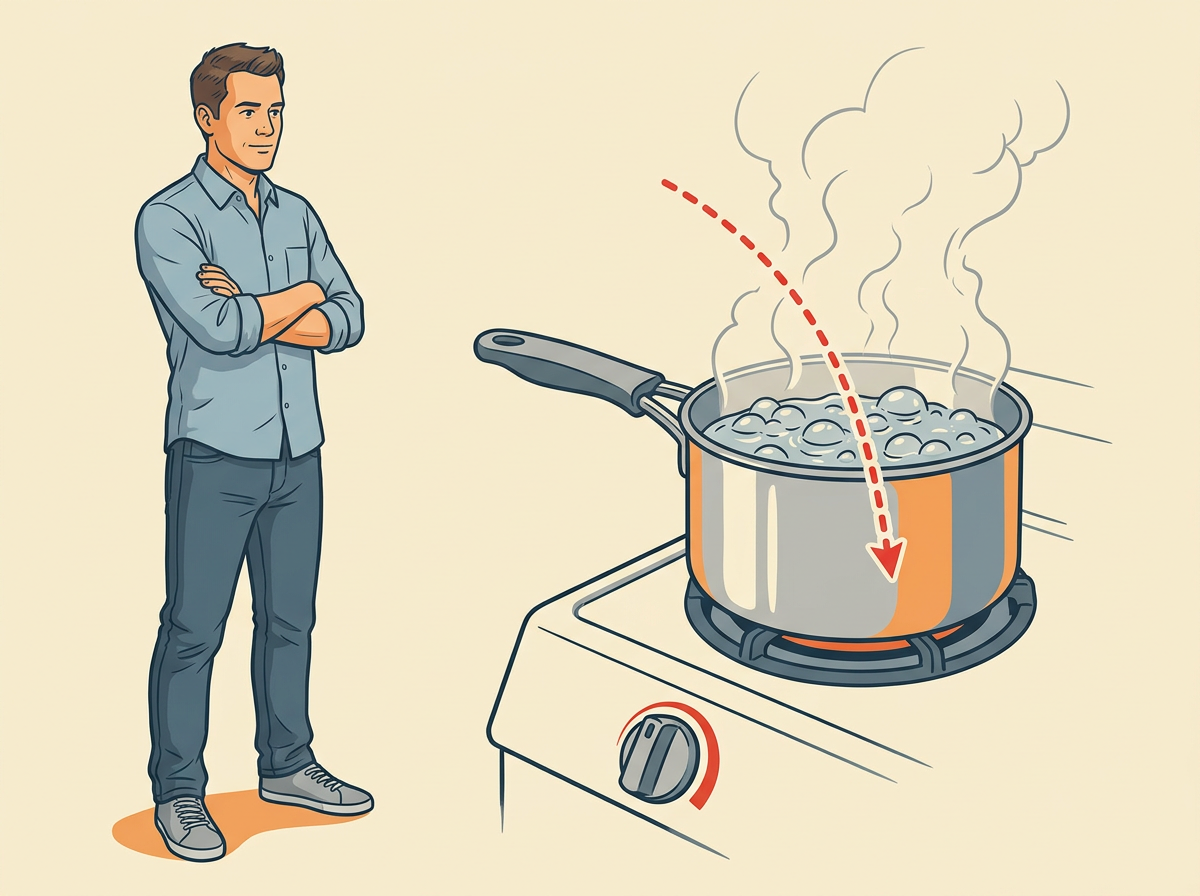
Watch for big bubbles that break the surface without pause. The moment that happens, the boil is ready. Keep your face back from the steam and do not lean over the pot.
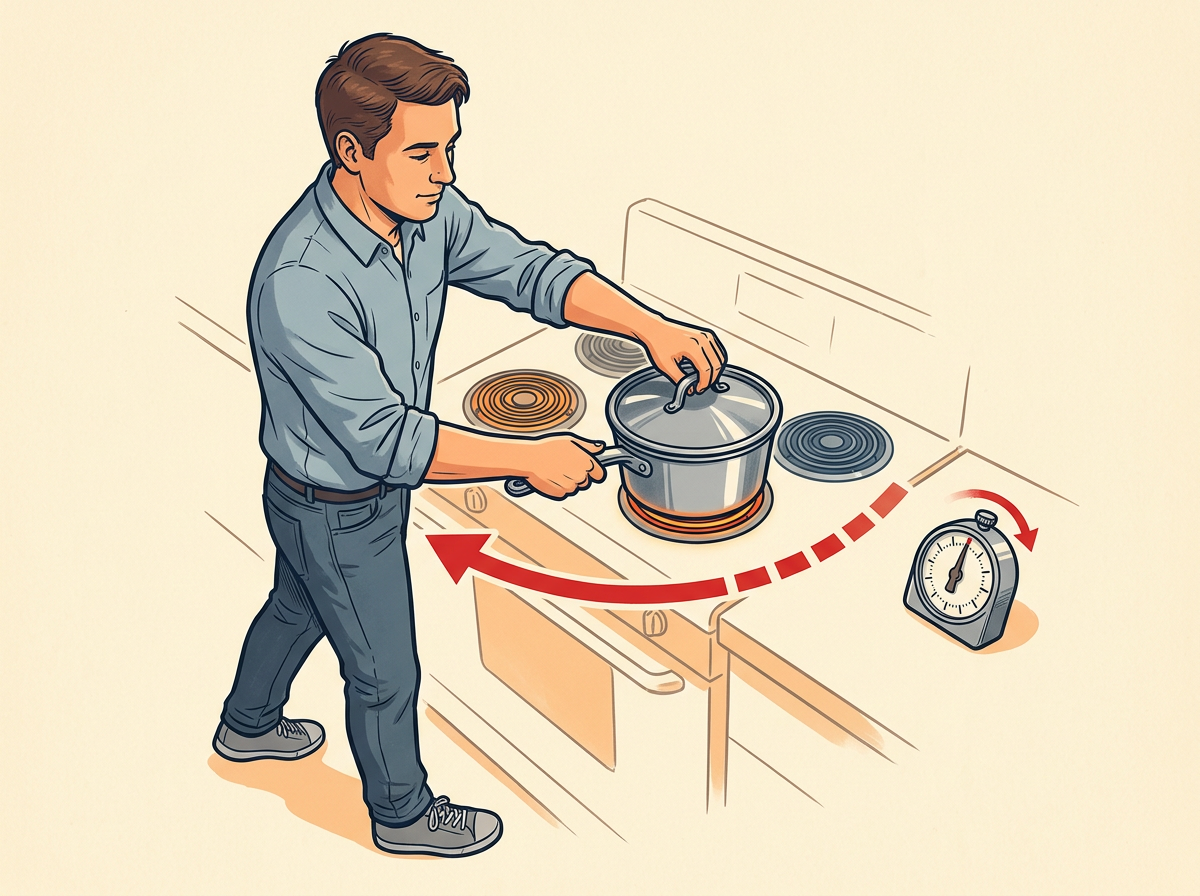
Jammy centers often land near six minutes; fully set yolks nearer nine to twelve—egg size and count shift the result, so start in that range and note what you like next time. Start the timer the instant the lid seats.
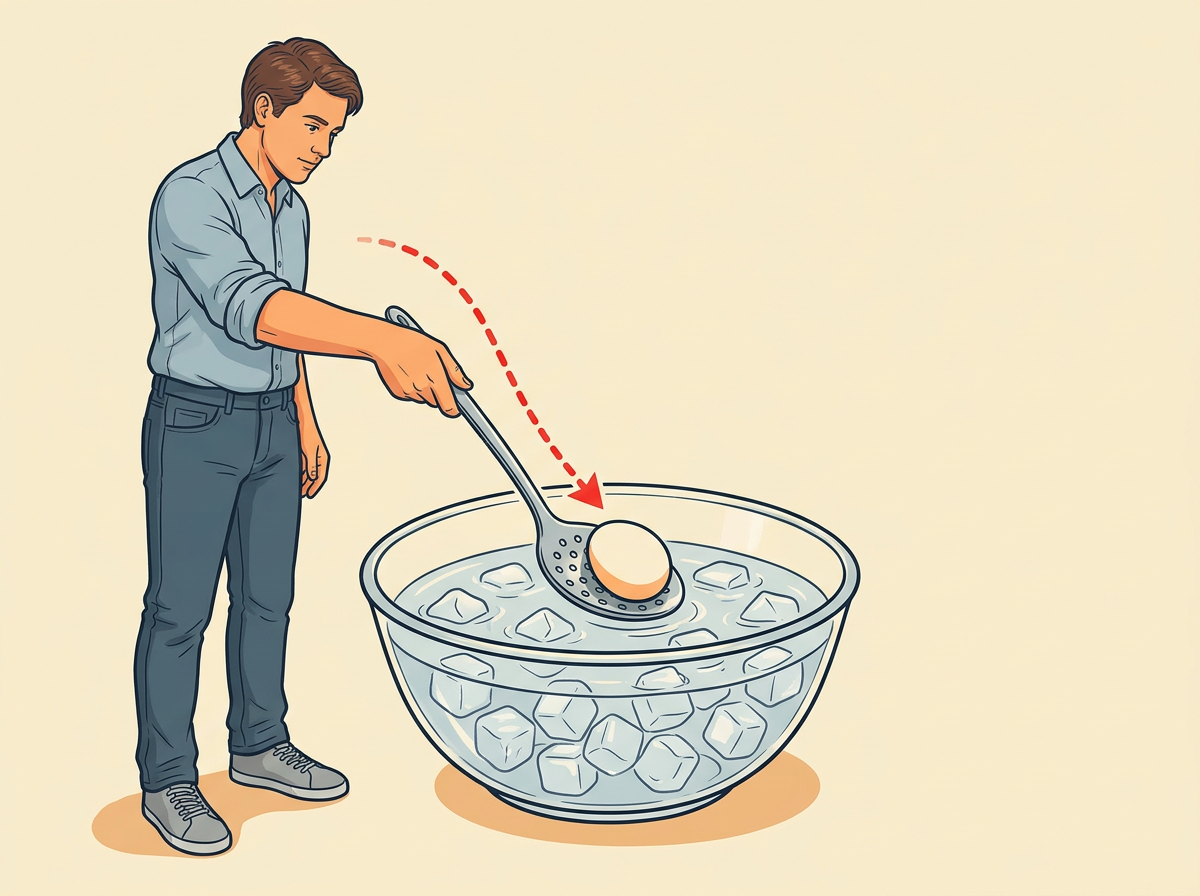
Lower them gently so shells stay intact. After a few minutes a quick touch finds the shell cool; that halt stops the cook and loosens the membrane for peeling.
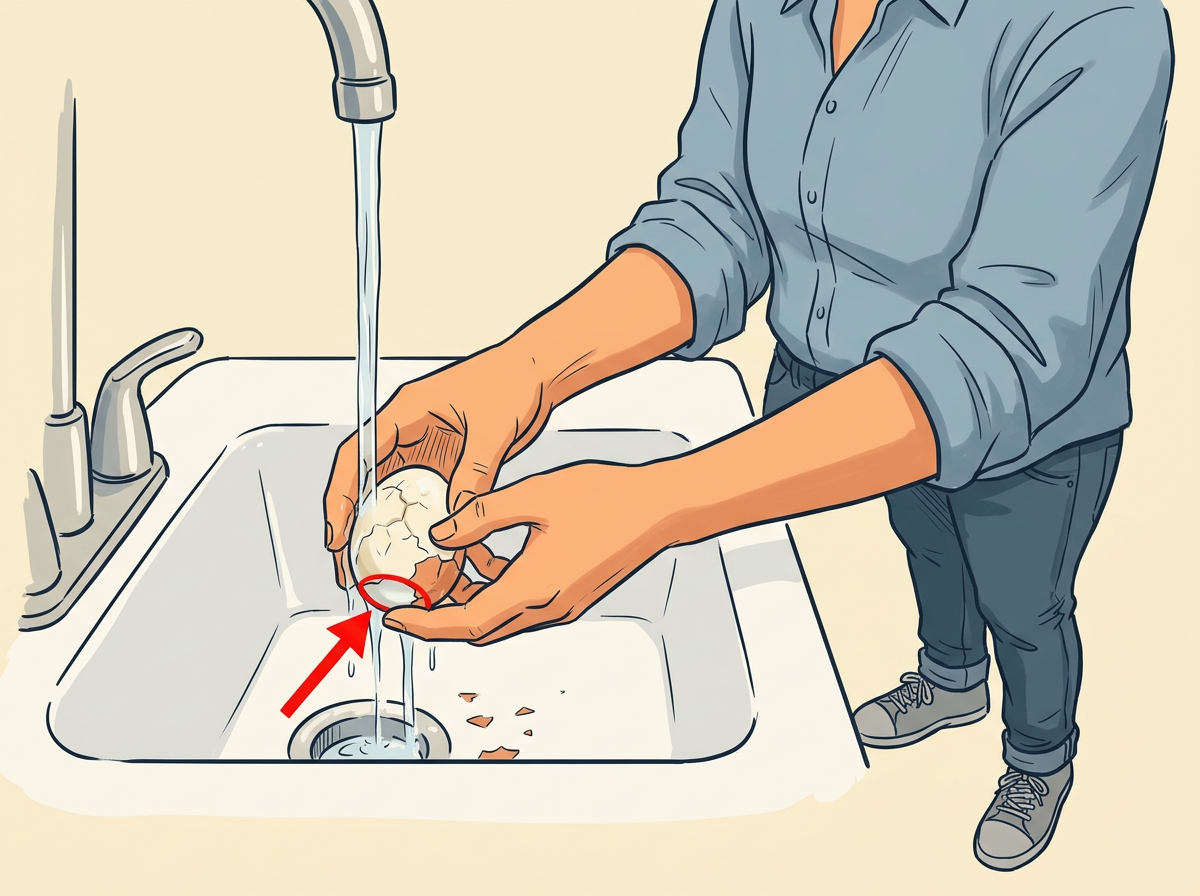
Tap the wide end on the counter, then roll once to web the shell. Start at the air pocket there and let water slip under the membrane. A smooth white with no deep gouges means you got under the skin.
The most common mistake
Leaving the burner on after a rolling boil pushes the yolk past your target. Kill the heat the instant bubbles stay unbroken across the surface, then lid and time.