




Zero to 5,412: How America Forfeited a Hard-Won Victory
Sandra Rhodes · Nov 17, 2026 · 2 min read
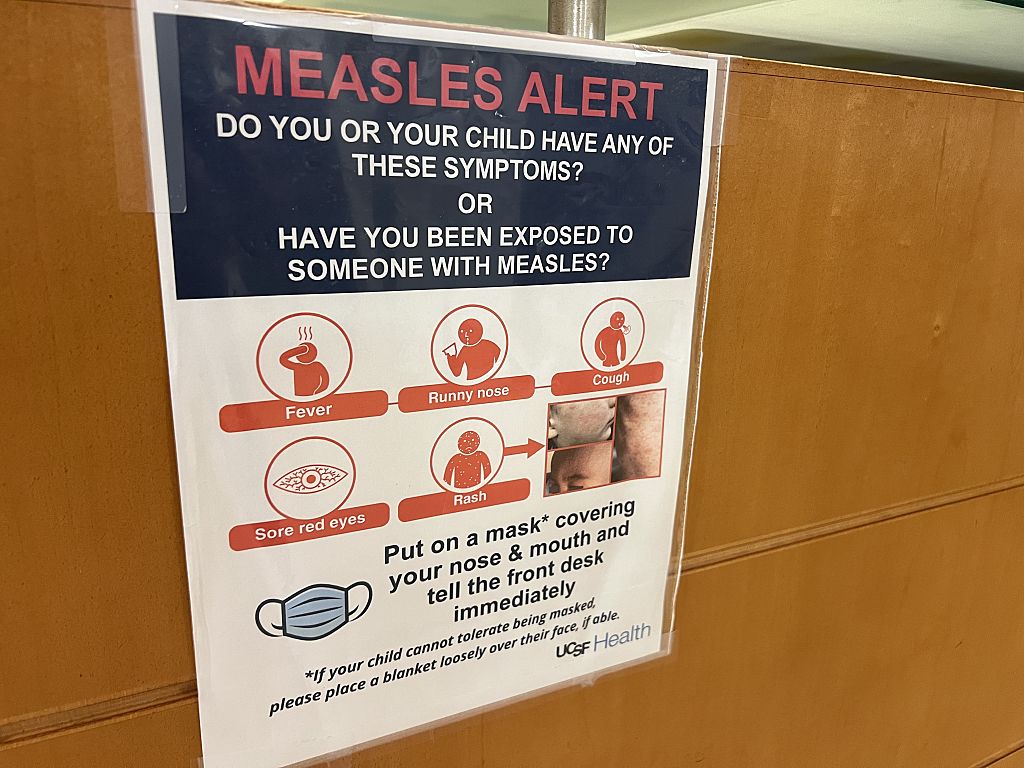
The United States officially lost its measles elimination status, according to the Pan American Health Organization.
Measles elimination was first declared in the United States in 2000, meaning the virus had stopped spreading continuously. That status was lost on Tuesday when the same strain circulates for 12 months or more.
"Losing measles elimination status is a historic public health setback," said Dr. John Brownstein, an epidemiologist and ABC News medical contributor. "We spent decades building the vaccination coverage and public health infrastructure needed to stop this virus from spreading continuously in the United States. To see that progress reversed is a stark reminder that these achievements are not permanent and cannot be taken for granted."
The decision from PAHO, which is part of the World Health Organization, comes as the past two years have seen a notable increase in measles cases across the United States.
The U.S. used to see an average of 180 cases a year — with most of the cases coming from abroad. There have been several home-grown outbreaks recently in Texas, Utah, South Carolina and Pennsylvania.
There have been a total of 5,412 infections reported this year in nearly every state, the latest Centers for Disease Control and Prevention data revealed. State health departments have reported 10 deaths. In 2024 there were under 300 cases.
There have been 48 outbreaks identified in the U.S. in 2026 with large ongoing numbers affecting Pennsylvania, Wisconsin, Minnesota and Indiana. New York State issued a state of emergency. There were significant sustained outbreaks in South Carolina, Utah and Arizona last year.
"This isn't just about losing a designation," Brownstein said. "It means more outbreaks, more hospitalizations, more preventable deaths and greater strain on already stretched public health departments."
The Department of Health and Human Services said it "will continue working to stop transmission, close vaccination gaps, strengthen outbreak response, and protect Americans from measles. Secretary Kennedy and CDC Director Dr. Erica Schwartz continue to recommend MMR vaccination as the most effective way to prevent measles."