



AI Chip Regulation Is Not A Dystopian Surveillance State
...
Shelf Tester · Jul 15, 2026 · 15 min read
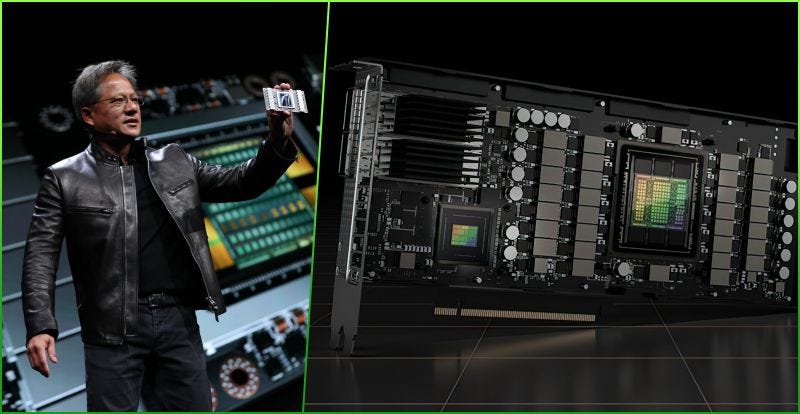
This was one of the most common objections to Plan A. The plan proposes AI chip regulation to ensure that both China and America know where all the chips are, making their deal to regulate AI together “trustless” (ie neither side can defect even if they want to). Several people argued that this kind of regulation amounted to some kind of “Orwellian dystopia” or “global panopticon”.
I’m reminded of a story I heard - I can’t find it, maybe one of you can - from a DC insider who said it was enraging to work with Silicon Valley, because he would bring up what he thought was the obvious regulatory framework, the tech people would launch into jeremiads on how it could only be enforced by world dictatorship, and he would have to interrupt and say that no, this was how eggs or milk or something had been regulated for fifty years.
What regulations does Plan A propose on AI chips?
Factories that produce them need to register with the government and submit to inspections.
Customers who buy them (eg Google) need to register with the government and submit to inspections. If they resell them, they need further government permission to do so.
Data centers that host them need to register with the government and submit to inspections. To pass these inspections, they will need to be very secure against cyber-attack.
The chips in the data centers eventually have cryptographic software that lets either China or the US halt their work at any time1.
Any data center that trains AIs need to be transparent (writing basic information about their operations, like the size of their training runs, to a public database) and verifiable (someone needs to be able to prove they’re running the code they claim to be running).
How bad are these regulations?
Regulations can be bad in at least two ways.
First, they can directly affect the thing they’re regulating. For example, if the government bans cocaine, people who enjoy cocaine can’t get it.
Second, their enforcement can indirectly justify a general expansion of government power and reduction of liberty, or provoke evasion attempts with dangerous side effects. For example, government bans on cocaine led to no-knock DEA raids, stop-and-frisk searches, and drug-sniffing dogs at airports, and to Mexican drug cartels and Colombian paramilitaries.
The direct effect of Plan A’s AI chip regulations is probably to raise the price of AI chips. How much? I don’t know, a few percent? Relatedly, the general march of technology makes chip price per FLOP falls 30% every year, and AI inference price per token fall by 98% every year (this is not an error, they actually get 40x cheaper every year). The neoliberal in me admits that it is in some sense a tragedy any time we raise the price of a good, but this seems like one of the more innocuous examples.
When people talk about Orwellian dystopias or global surveillance states, they presumably mean the indirect effects. But why should making chip factories and hyperscalers do more paperwork have such outsized costs, totally unlike those which we encounter in the regulation of other industries?