Your Book Review: The Book Of Abraham
...
Shelf Tester · Jul 8, 2026 · 15 min read
[This is one of the finalists in the 2026 book review contest, written by an ACX reader who will remain anonymous until after voting is done. I’ll be posting about one of these a week for several months. When you’ve read them all, I’ll ask you to vote for a favorite, so remember which ones you liked]
Part 1.
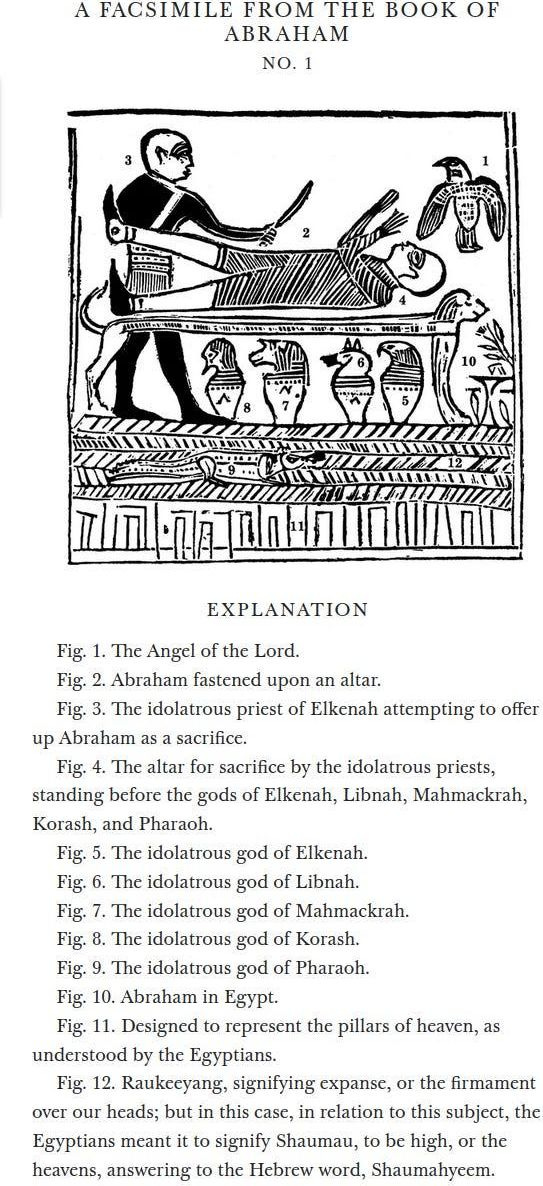
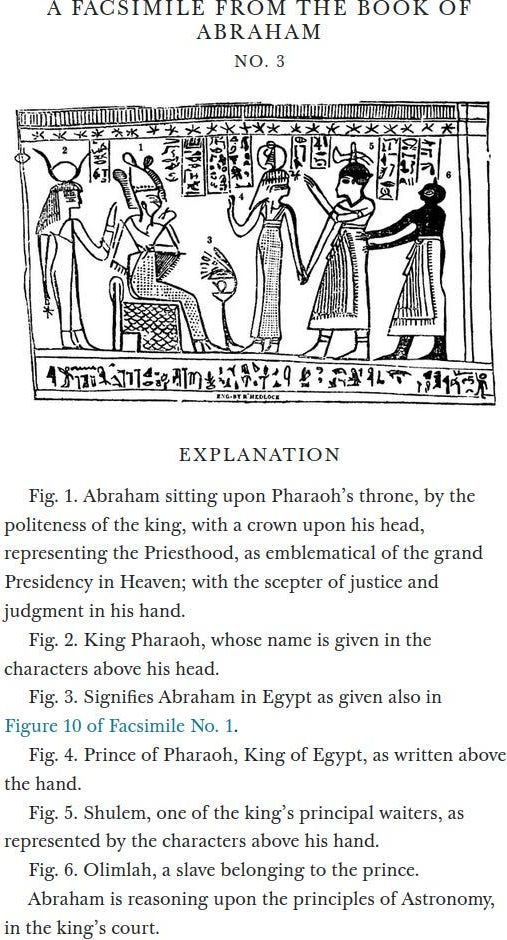
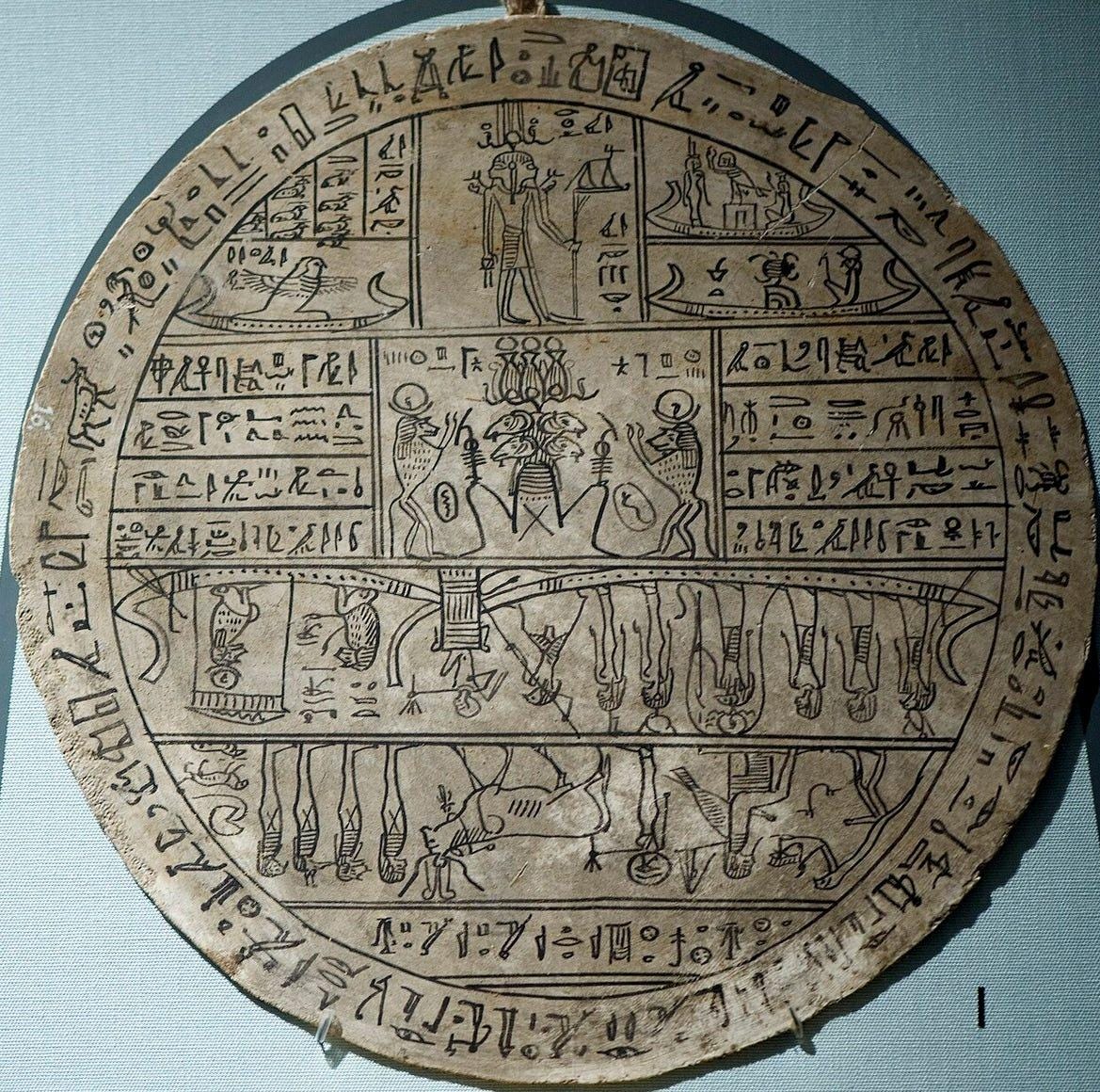
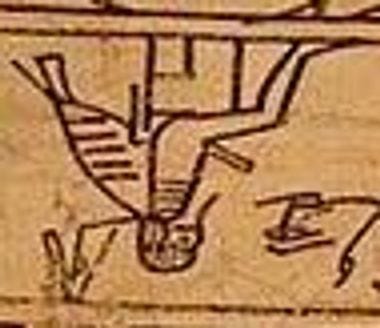
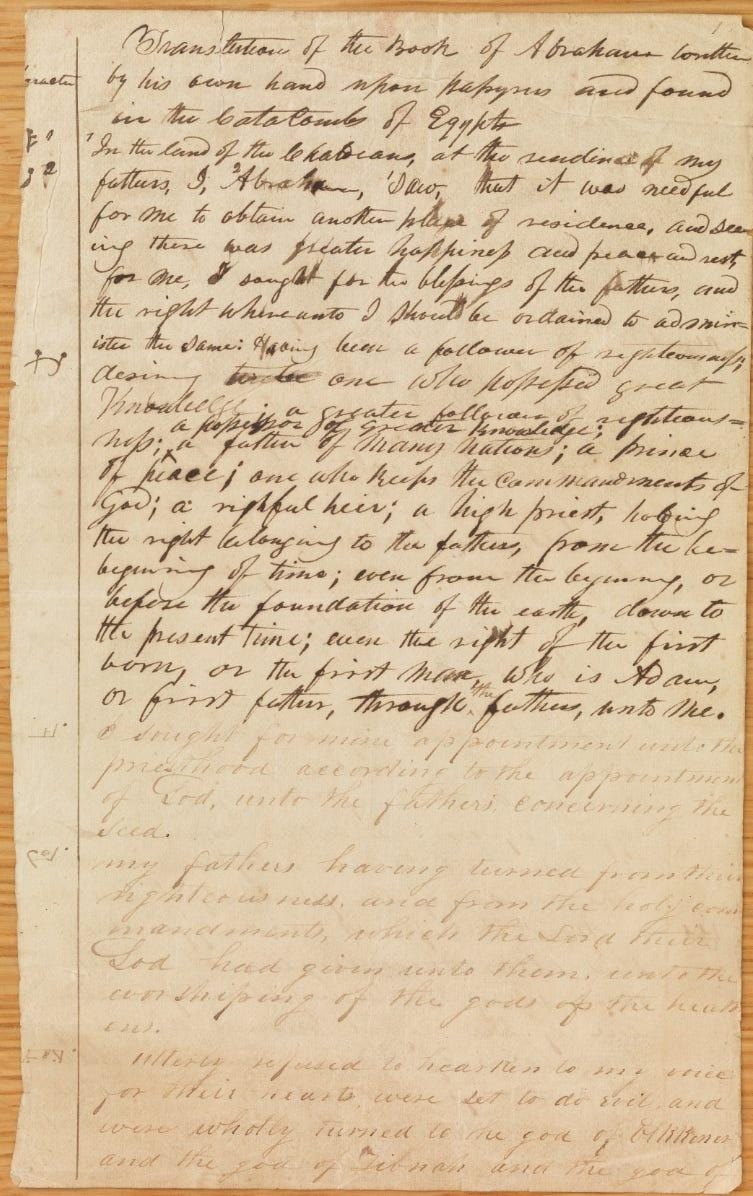
The Book of Abraham opens with this paragraph:
“A Translation of some ancient Records that have fallen into our hands from the catacombs of Egypt. The writings of Abraham while he was in Egypt, called the Book of Abraham, written by his own hand, upon papyrus.”
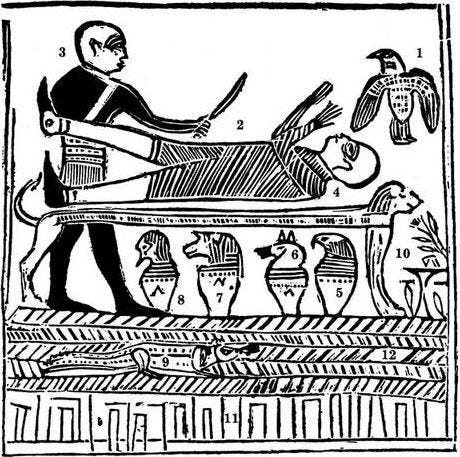
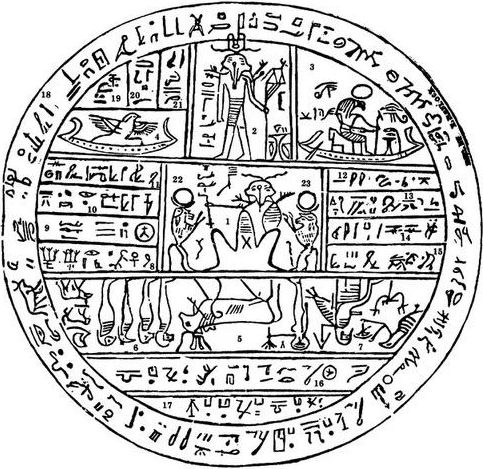
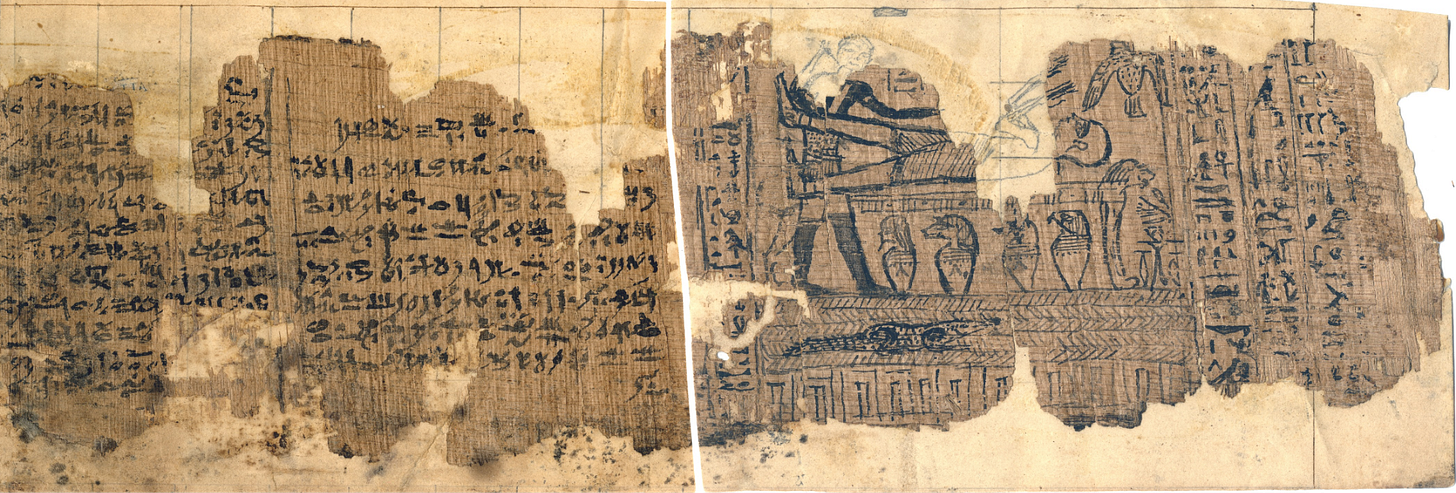
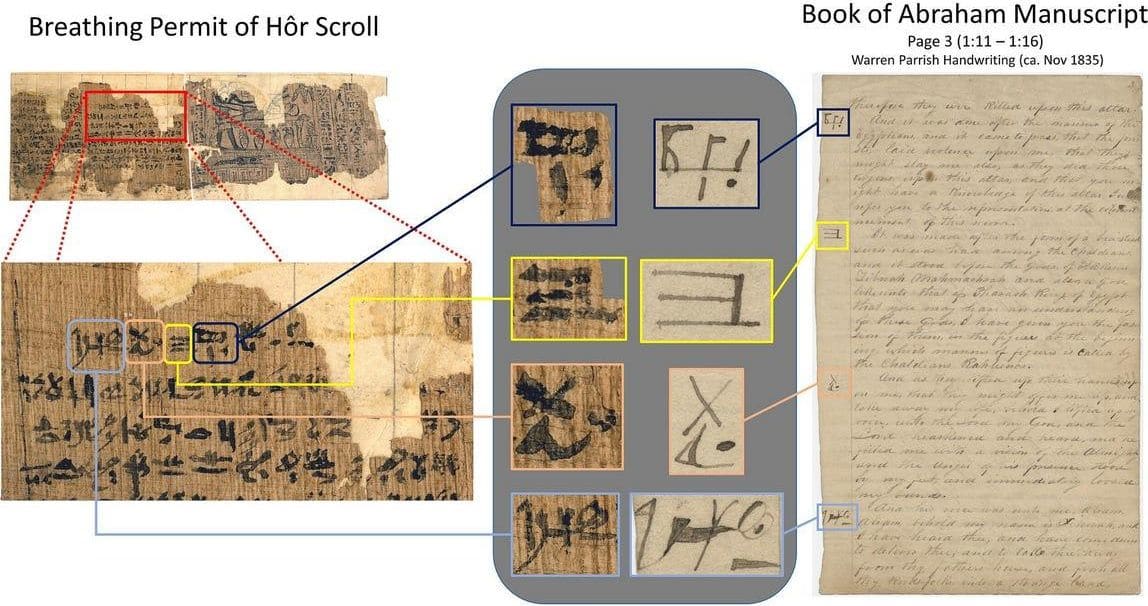
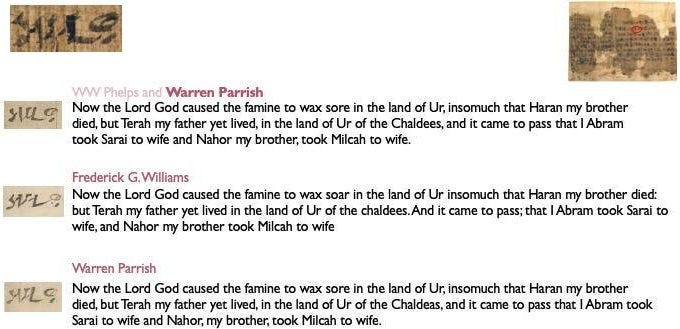
As you can read, The Book of Abraham was written by grand patriarch Abraham upon papyrus while he was in Egypt. Someone managed to get their hands on these papyri and then subsequently translated them into English. This is of profound historical importance if true, because otherwise there is no direct evidence that Abraham existed as a specific historical individual.
Who got their hands on these writings? The Mormons. More specifically their founding prophet Joseph Smith who a few years previously translated some other Egyptian writings into the Book of Mormon. The Book of Abraham is not that well-known in comparison, but it’s considered canonical scripture in the Mormon church.
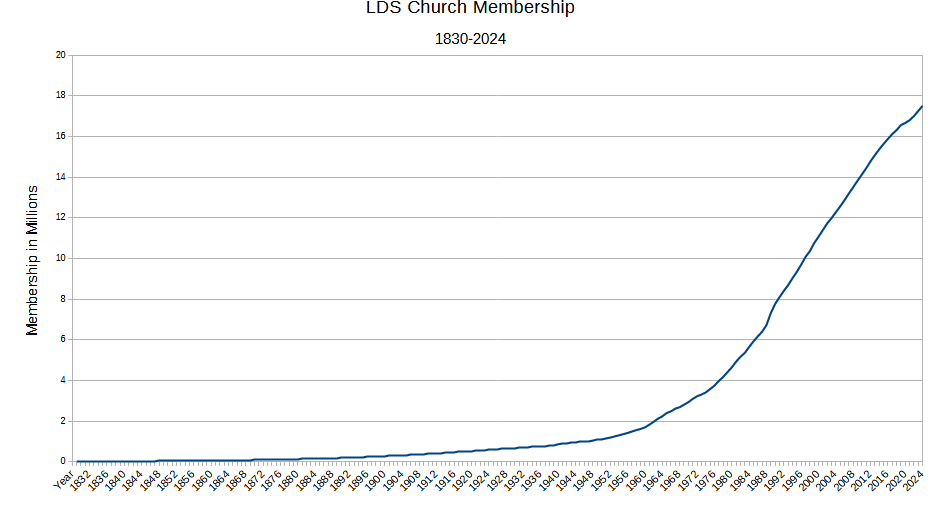
The Abraham papyri were obtained by the Mormons in 1835 from a traveling antiques exhibitor, five years after the formal establishment of the Mormon church. A time at which it was experiencing a surge of new converts, with the membership doubling from 1834 to 1835.
During these times there was an enormous fascination with the ancient world in the US and Europe, particularly ancient Egypt. After Napoleon’s Egyptian campaign in 1801, Mummies were exported by the thousands into Europe and the US, making them surprisingly cheap and common. People would pay good money to see mummies or ancient artifacts being toured around.
It even became fashionable among the wealthy to host “mummy unwrapping parties” where they would buy a mummy, then invite all their friends to a party where the main entertainment would be watching a showman slowly remove bandages from the mummy while loudly dramatizing the whole affair. Hoping to uncover some cool trinkets or artifacts that would make the guests gawk.
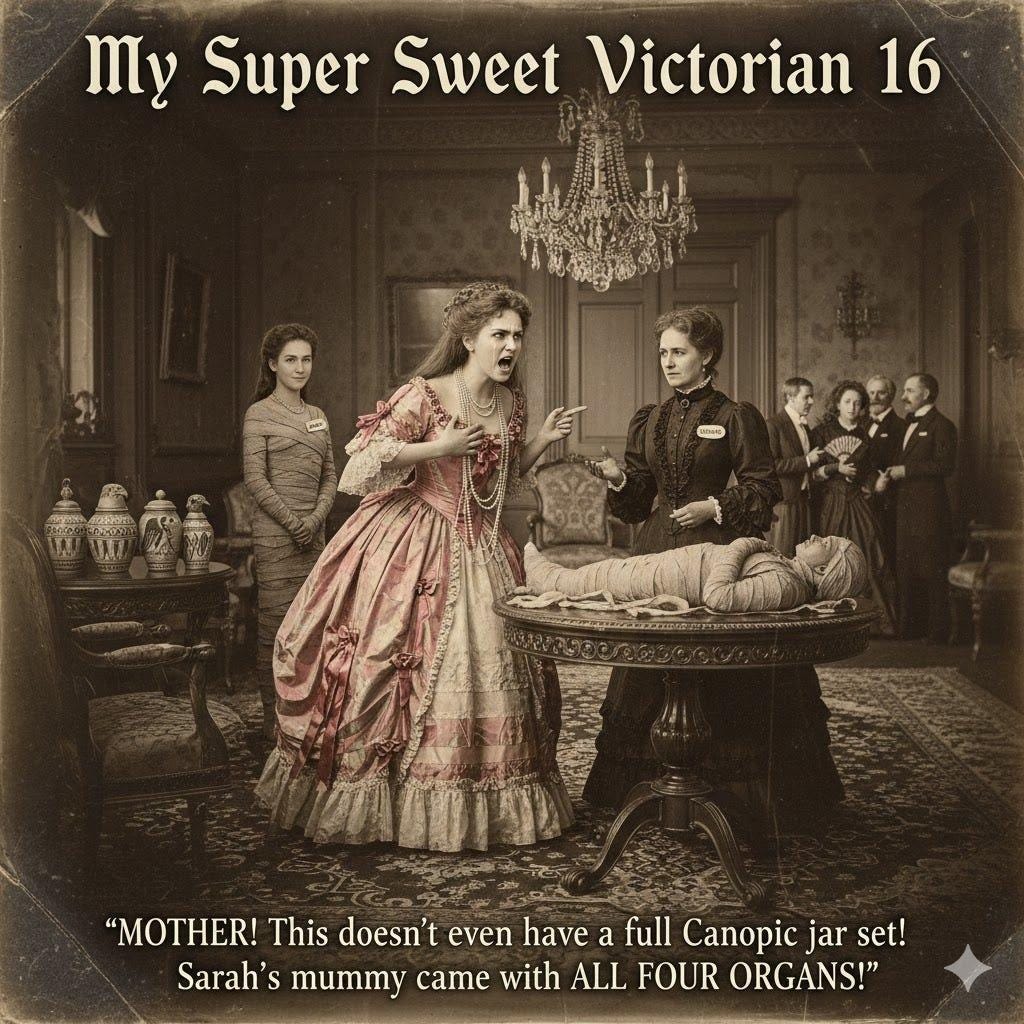
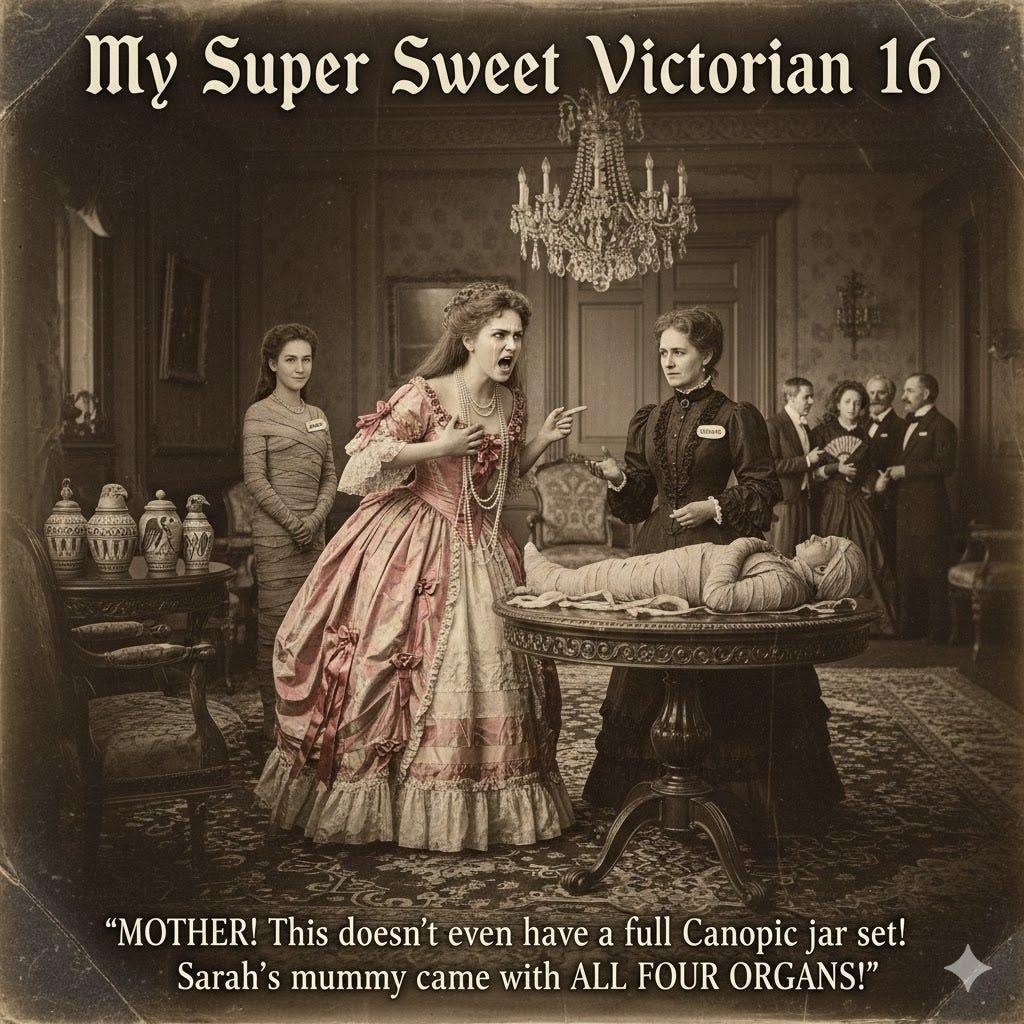
Which sounds deranged today, but isn’t really: status signals are somewhat arbitrary. Remember MTV’s “My Super Sweet 16,” where the birthday girl has a meltdown because her Porsche arrived in the wrong color? If modern Sally is allowed a freakout, so is Victorian Sally:
Among other brave endeavors, they would ground the mummies into a fine powder and consume it as medicine even though cannibalism was generally considered to be gravely sinful. Mummy powder was also used as an aphrodisiac. Reading all this, I couldn’t help but reflect a bit on that famous Percy Shelley poem: