




DOJ Warns Blumenthal Over Donor Probe
The Justice Department told Sen. Richard Blumenthal to stop investigating Trump ballroom donors or face legal consequences.
Trending Newsfeed Staff Writer · Nov 12, 2026 · 2 min read
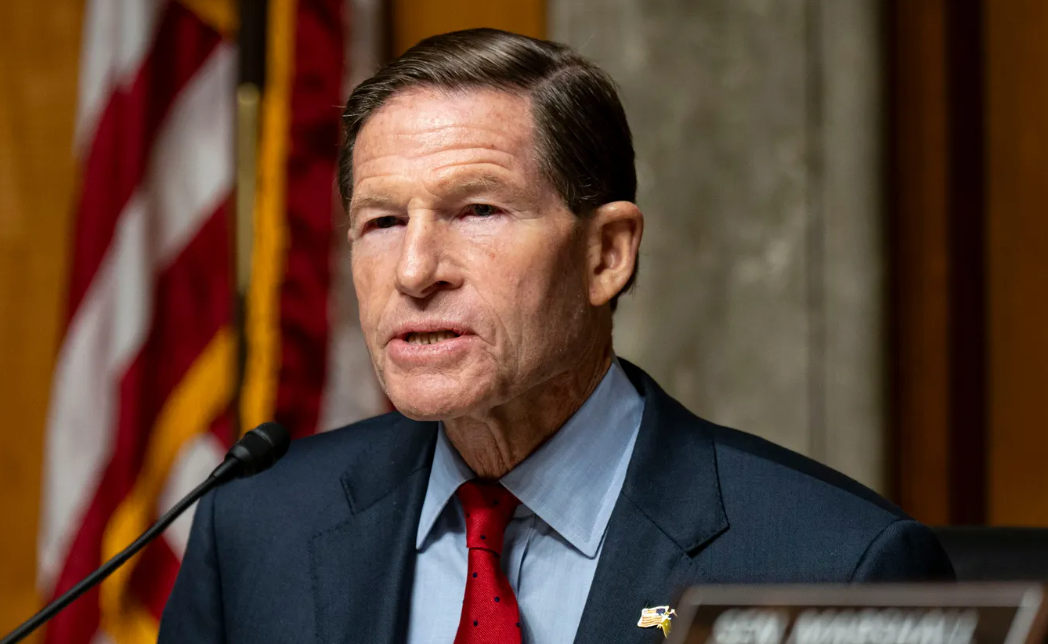
The Justice Department just told Democratic Sen. Richard Blumenthal to stop threatening donors to President Trump’s new White House ballroom. A federal prosecutor in Texas accused the senator of trying to intimidate citizens who gave money to the project. This move happened as Blumenthal prepared to lead a new Senate panel in January.
Blumenthal sent nearly 60 letters last week to big companies like Apple, Google, and Amazon. He demanded they hand over records about their gifts by January 4 or face subpoenas. The senator claimed these donors might have hidden their contributions while seeking favors from the Trump administration. He wrote that many “attempted to keep their contributions secret, and have deep financial, business, or other personal interests before the Trump administration.”
The Justice Department Pushes Back
U.S. Attorney Aaron Reitz responded with a sharp letter to Blumenthal. Reitz said the senator was using his power to threaten “citizens for associating themselves with the President and other public officials.” He ordered the senator to save all records related to his investigation. Reitz called it extraordinary for an elected official to terrorize people for doing charity work.
The acting Deputy Attorney General, Trent McCotter, backed up Reitz’s move on social media. He stated that the First Amendment stops Congress from infringing on the rights of Americans to speak and associate. McCotter promised that the Department of Justice will “defend against threats to those rights, period.” The ballroom project itself is a 90,000-square-foot addition that replaces the old East Wing.
President Trump says the project needs $400 million in private donations from patriots. Construction is set to finish by September 2028, just before he leaves office. The Supreme Court already ruled in August that the project can move forward despite lawsuits. Now the focus is on whether a senator can pressure donors with the threat of government subpoenas.
This is about more than just a building in Washington. It is about whether your government can punish you for supporting a cause you believe in. Blumenthal wants to know if donors got special deals in exchange for their cash. But the Justice Department says that asking these questions is a form of harassment against private citizens.
If the senator gets his way, donors could be forced to reveal their names to federal investigators. This could scare people away from giving to future projects that help the nation. The letter from Reitz made it clear that the American people are entitled to freely associate without fear. He wrote that the senator is “obligated to preserve all potential relevant evidence” related to his efforts, according to the Washington Examiner.
The clock is ticking toward the January 4 deadline for the companies to respond. If they do not comply, Blumenthal plans to issue subpoenas. The Justice Department has now drawn a line in the sand against this plan. The question for voters is simple: should a senator have the power to investigate private donations to a public project? The Department of Justice says no, and they are ready to fight for that principle.