




EPA Confirms Zero Lead After Army’s Iowa Detonation
The EPA tested over 1,000 samples after the Army blew up five tons of lead azide in Iowa. Officials report no airborne lead detected so far.
Trending Newsfeed Staff Writer · Nov 27, 2026 · 2 min read
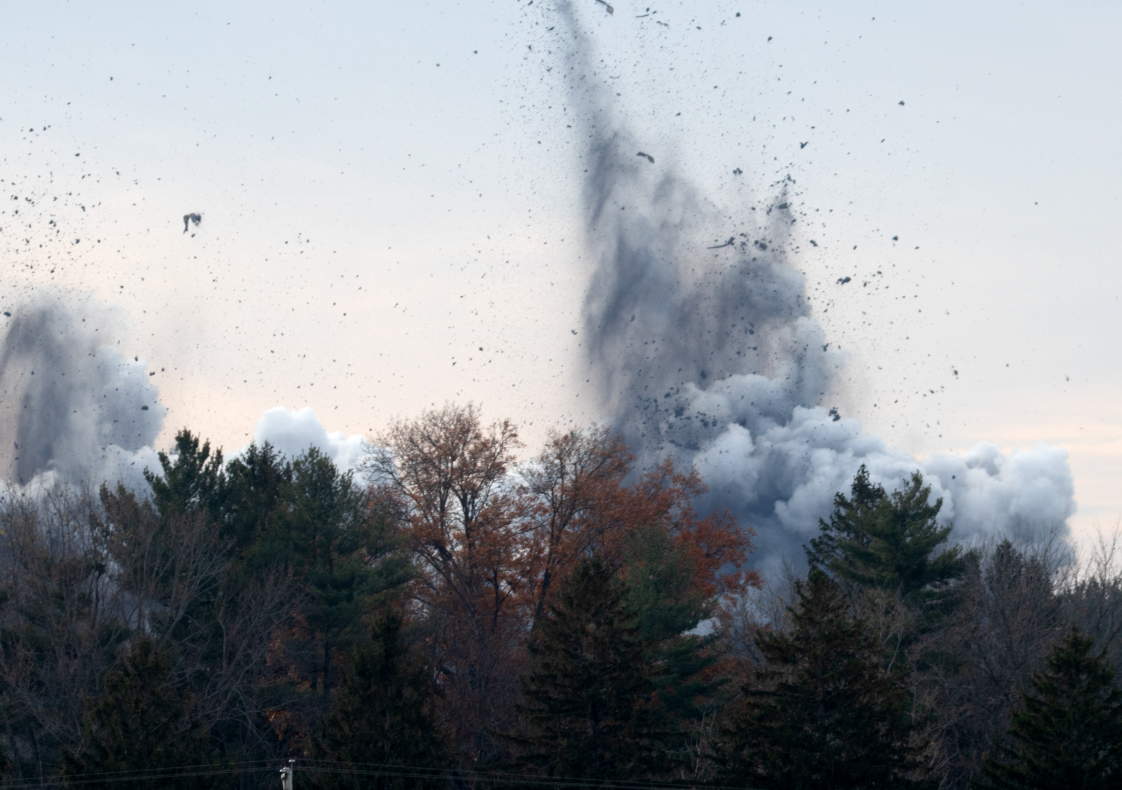
The EPA confirmed that air monitors detected zero lead after the Army detonated nearly five tons of explosives in Iowa. Federal crews have shipped more than 1,000 soil and water samples to labs for final review. Residents within 20 miles must stay inside until officials give the all clear.
The U.S. Army blew up 68 barrels of unstable lead azide at the Middletown ammunition plant on Wednesday. Officials said the material was too dangerous to move without triggering a massive explosion. About 300 EPA staffers arrived immediately to test buildings and public spaces for contamination.
What the Monitors Show So Far
Real-time air sensors have not found any lead dust drifting over the region since the blast. “All real-time Xact air monitors continue to report, as they have since detonation, zero detection of airborne lead throughout the region,” the EPA said in a statement on Thursday, according to the New York Post.
While the air monitors show clean results, the lab analysis of physical samples takes longer to complete. Soil and water samples from thousands of tests might yield initial lab results by Friday. Crews are scheduled to sample schools and daycares today to ensure safety.
Lead poses a serious threat to children under six years old, who are most at risk for brain and body damage. According to reports. Stephanie Widmer, lead within the human body can severely disrupt biology. She noted that while trace amounts exist in soil, a large release is a very different problem.
Local farmers worry that toxic dust could settle on crops and enter the food supply for corn and livestock. One Iowa farmer told PBS he fears his cows and local ponds could face contamination from the blast. The EPA and FEMA say the mitigation efforts worked, but the shelter-in-place order remains active.
White House Chief of Staff Stephen Miller oversaw the operation and asked every possible question to ensure success. EPA Administrator Lee Zeldin credited Miller for taking the reins on the weekend planning calls. “He was getting on another conference call afterwards, asking every possible question to make sure that we’ve considered all options,” Zeldin said on Fox News, according to the Washington Examiner.
Federal officials plan to stay on the ground in Iowa until the community is fully safe. The shelter-in-place mandate lasted only about 12 hours instead of the expected 24 to 48 hours.