




Iran Blocks Oil Routes As US Fuel Prices Hit Record Highs
Iran-backed attacks on oil routes are driving US gas prices to records. See how this impacts your family budget and what Trump is doing about it.
Trending Newsfeed Staff Writer · Sep 16, 2026 · 3 min read
Oil Routes Under Fire
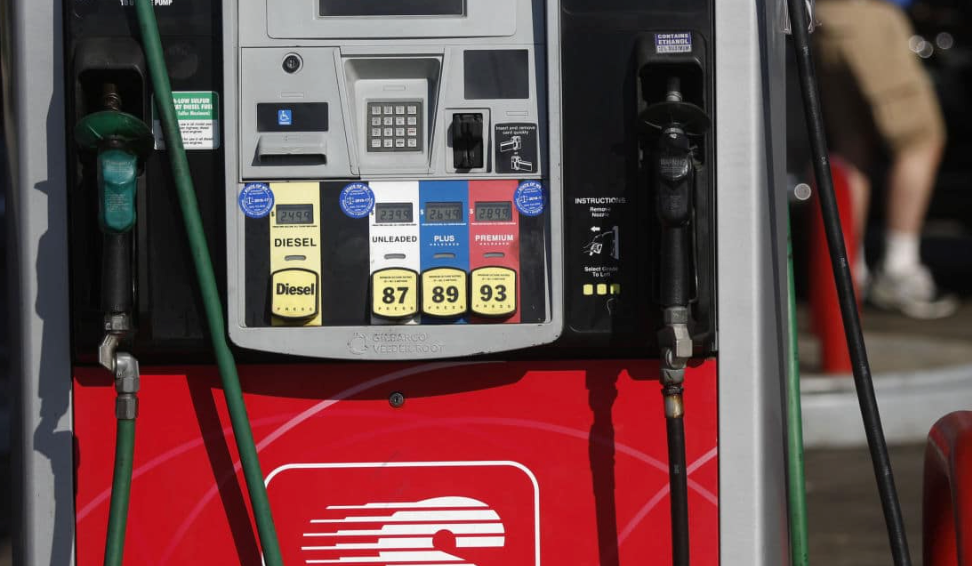
Iran-backed attacks have crippled key shipping lanes, pushing US diesel prices to a record $6.23 a gallon. The East-West Pipeline in Saudi Arabia suffered heavy damage from a drone strike last week, and repairs could keep that vital bypass offline for three to five weeks. According to Fox News, this pipeline usually moves roughly 2.6 million to 4 million barrels per day, so losing it hits hard. Houthi rebels have also seized strategic islands near the Bab el-Mandeb Strait, squeezing escape routes for Gulf producers while the US chokes off Iranian exports. Regular gasoline now averages $4.32 across the nation, and during the day, Brent crude reached a peak of roughly $110 per barrel. These disruptions are already hitting your wallet at the pump and in grocery aisles, forcing families to cut back on non-essentials.
Munitions Shortfalls Exposed
The Pentagon watchdog confirmed a new report detailing severe shortages in key munitions. The 44-page document specified that production of solid rocket motors faces major “bottlenecks,” a critical issue as the US war with Iran continues. The New York Post cites a report valuing the initial four months of conflict at $33.4 billion, a figure that does not include money spent on infrastructure repairs. The document cites a lack of high-grade explosives and skilled manufacturing labor as top issues, which slows down the entire supply chain. President Trump insisted on Truth Social that the US is producing more elite weapons than ever before, stating, “Our Defense Company Factories are moving 24/7.” He added that they are building four to five large-scale new plants on average, trying to ramp up output fast.
A New Balance of Power
Iran’s top security official warned President Trump that the strategic balance around these waterways has changed. Mohsen Rezaei wrote on X that “damage control won’t stop what’s coming,” declaring there will be no talks until Iran’s conditions are met. Period. Rezaei serves as the secretary of Iran’s powerful Supreme National Security Council, and he recently threatened to establish a new maritime exclusion zone across the Persian Gulf. This comes as Iranian loadings fell to roughly 220,000 barrels per reports, signaling a massive drop in their oil exports. Senior fellow Miad Maleki told Fox News Digital that “there are a series of indications” the pressure is working, believing Iran has realized that some of its leverage over the threat of Hormuz is gone. The US Navy maintains the strait is fully open and under its control, despite the chaos. Commercial shipping remains deeply disrupted with vessel transits in the single digits, while an Iranian-created authority expanded its blacklist to 77 vessels. They accuse these ships of violating Tehran’s protocols and threaten fines or detention, making every trip a gamble. Who can afford to pay those prices?