




Judge Blocks Trump’s Birthright Citizenship Plan Again
A federal judge just halted President Trump’s latest order on birthright citizenship, calling it unconstitutional. Here is what the ruling means for your family.
Trending Newsfeed Staff Writer · Sep 4, 2026 · 2 min read
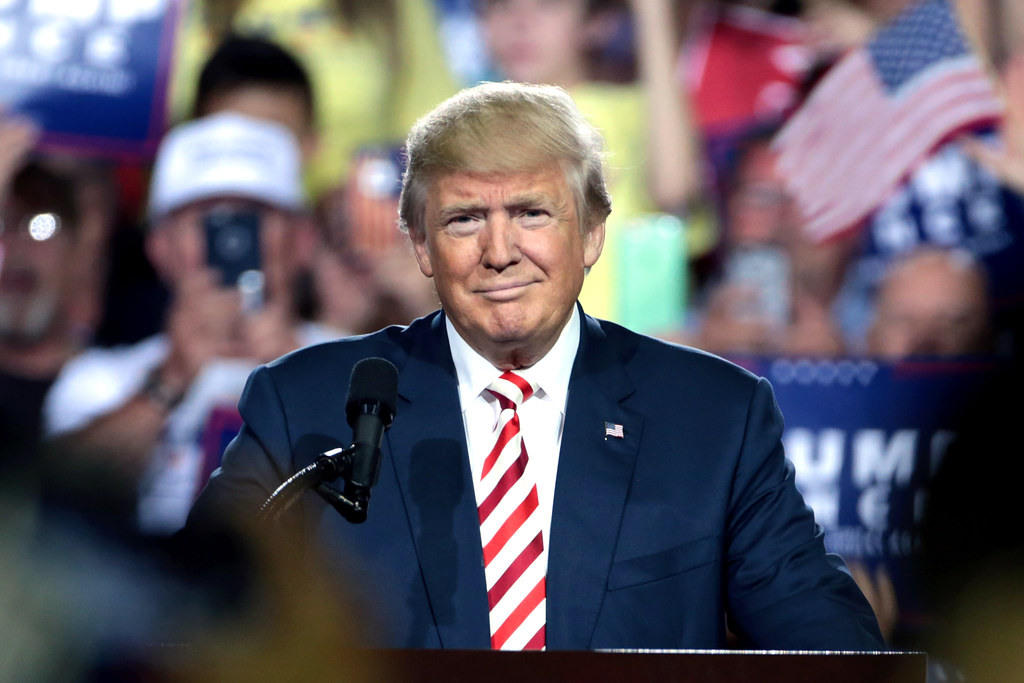
A federal judge issued a preliminary injunction on Wednesday to block President Trump’s latest executive order aimed at curbing birthright citizenship. Maryland-based US District Judge Deborah Boardman ruled the order is almost certainly unconstitutional, according to the New York Post. This decision stops the administration from denying citizenship to children born on US soil under specific conditions.
The judge’s opinion directly cites the Supreme Court’s recent ruling in the case known as Trump v. Barbara. In that earlier decision, six justices found Trump’s 2025 directive unlawful. Boardman noted that the high court already decided children in the challenged class are citizens at birth. The 2026 Executive Order attempts to strip rights the Supreme Court has already affirmed. This legal clash centers on the Fourteenth Amendment and who qualifies as a citizen by birth.
Why the Court Says No
Boardman, a Biden appointee, wrote that the new order infringes on the class members’ right to citizenship. She stated the injunction prevents the denial of citizenship to those the Supreme Court declared citizens. The order was meant to stop birth tourism and address children of alien enemies. However, the judge found the administration’s arguments did not overcome the high court’s prior decision.
Attorney General Todd Blanche told Fox News the administration crafted the order around the Supreme Court’s guidance. He said they did not expect a judge to rule against them given the legal framework. The White House argued the order clarifies situations not covered by the Barbara ruling. These include children born to members of Foreign Terrorist Organizations or specially designated global terrorists. The order also targets children of foreign government employees like ambassadors.
A Pattern of Legal Battles
This is not the first time a federal judge has blocked the president’s efforts on this issue. Last year, Boardman previously stopped the president’s 2025 birthplace citizenship order. The current case follows a similar path where lower courts intervene before the Supreme Court steps in. Justice Samuel Alito warned in a concurring opinion that judges could weaponize class certification. He noted this tactic sidesteps limitations on nationwide injunctions.
The administration has indicated they will likely appeal this decision quickly. The Justice Department lawyer in a separate USPS case noted they would appeal any injunction. This dispute could return to the Supreme Court for a final resolution. The Supreme Court did not decide on the lawfulness of the eventual policy in the USPS case. They only lifted a previous injunction because the challenge was premature at that time.
Specifically, Boardman’s ruling prevents the denial of citizenship to members of the certified class. It does not stop the issuance of public guidance on how the order would be implemented. The court certified a class of individuals covered by the president’s order. This legal move ensures the protection applies to a specific group rather than the whole country at once.
The Supreme Court’s decision concluded that the executive order violated the Fourteenth Amendment. That amendment states all persons born in the United States are citizens. The recent orders came after the State Department moved to impose proof of citizenship for passport applicants.