
🦸Best DC Characters of All Time
DC Comics has produced iconic heroes and villains whose stories have defined superhero fiction for decades. Their cultural reach extends from comic pages into films, TV, and global mythology. Vote to rank the definitive order.
What counts: Best means lasting narrative impact, cross-media success, and fan engagement depth. All figures are approximate.
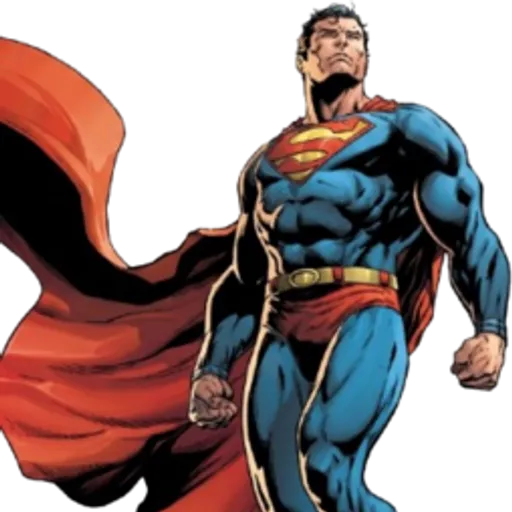
Superman launched the superhero genre in 1938 and has anchored DC's moral center ever since. His 1978 film and 1986 Death of Superman arc proved he could evolve while remaining the ultimate symbol of hope. No other DC character matches his foundational influence.
Debut Year: 1938Power Level: 10/10Cultural Impact: 10/10Major Adaptations: 15Versatility: 9/10
- Defined the superhero archetype
- Enduring symbol across 80+ years
- Multiple successful film eras
- Power level can limit stakes
- Origin story retold too often
- Some adaptations flatten his personality
added by Yourlist Editorialin 7 rankingsSuperman
42Wonder Woman brought mythic scale and feminist ideals to superhero comics from her 1941 debut. The 2017 film finally delivered the solo spotlight fans had waited decades for. Her Lasso of Truth and warrior ethos remain unmatched.
Debut Year: 1941Power Level: 9/10Cultural Impact: 9/10Major Adaptations: 8Versatility: 8/10
- First major female superhero
- Strong thematic consistency
- Successful modern film revival
- Fewer solo runs than male counterparts
- Inconsistent power portrayal across eras
- Limited animated series presence
added by Yourlist Editorialin 8 rankingsWonder Woman
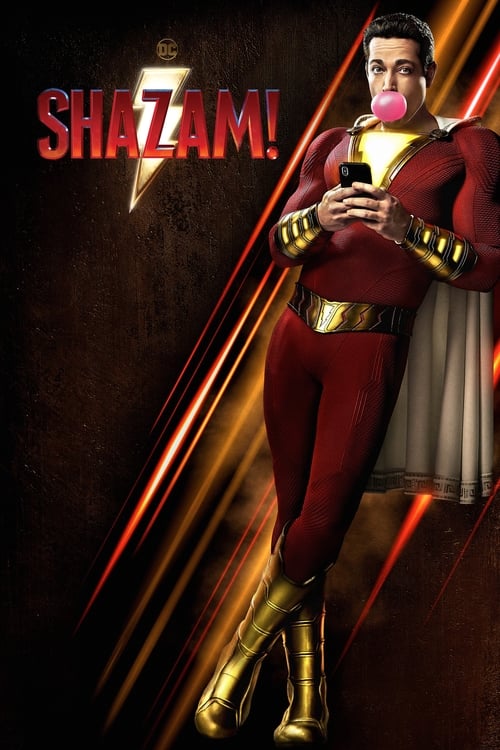
24Shazam (formerly Captain Marvel) predates Superman as the first kid-with-magic-powers hero in 1939. The 2019 film captured the joyful wish-fulfillment at his core. His lightning-powered transformation remains one of DC's most kid-friendly concepts.
Debut Year: 1939Power Level: 9/10Cultural Impact: 6/10Major Adaptations: 4Versatility: 7/10
- Pure fun power fantasy
- Strong family-friendly tone
- Successful modern film
- Lower cultural footprint than Big Three
- Name change confusion hurt momentum
- Limited long-form solo stories
added by Yourlist Editorialin 3 rankingsShazam!
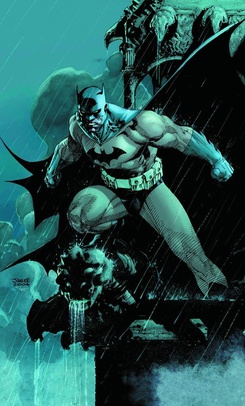
22Batman turned a childhood trauma into the most adaptable franchise in comics. The 1986 Dark Knight Returns and 2005 Batman Begins reboots each reset expectations for what a grounded hero could achieve. His rogues' gallery and detective focus keep him perpetually relevant.
Debut Year: 1939Power Level: 5/10Cultural Impact: 10/10Major Adaptations: 20Versatility: 10/10
- Unlimited story potential without powers
- Strongest rogues gallery in comics
- Highest number of acclaimed adaptations
- Can overshadow other heroes in shared universe
- Origin fatigue from constant retellings
- Sometimes defined more by gadgets than character
added by Yourlist Editorialin 10 rankingsBatman
21The Joker redefined the villain as chaotic force rather than simple foe. His 1940 debut and 1988 Killing Joke graphic novel cemented him as Batman's perfect opposite. Heath Ledger's 2008 performance proved the character could dominate mainstream cinema.
Debut Year: 1940Power Level: 4/10Cultural Impact: 10/10Major Adaptations: 12Versatility: 8/10
- Iconic chaos that challenges heroes
- Multiple acclaimed live-action versions
- Endless reinterpretation potential
- Risk of glorifying violence
- Can dominate stories at expense of other villains
- Origin often left deliberately vague
added by Yourlist Editorialin 6 rankingsThe Joker
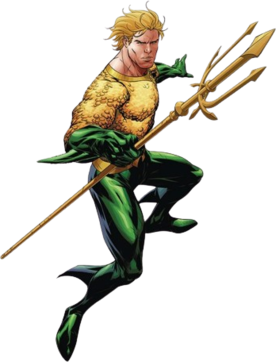
21Aquaman evolved from 1941 side character to ruler of two-thirds of the planet with genuine gravitas. The 2018 film and Geoff Johns' New 52 run finally made him cool after decades of mockery. His dual heritage and trident give him mythic weight.
Debut Year: 1941Power Level: 8/10Cultural Impact: 7/10Major Adaptations: 6Versatility: 7/10
- Strong modern redemption arc
- Underwater world-building
- Successful live-action solo film
- Longstanding public perception issues
- Fewer classic solo stories than peers
- Power set overlaps with other water heroes
added by Yourlist Editorialin 3 rankingsAquaman
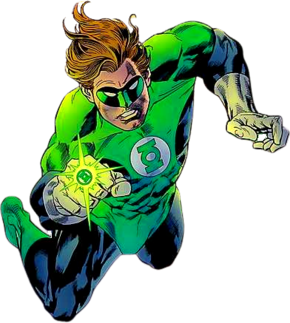
21Hal Jordan's 1959 debut brought cosmic scale and the Green Lantern Corps to DC. The 2004-2005 Rebirth run restored him after a controversial heel turn. His will-powered ring remains one of the most imaginative power sources in comics.
Debut Year: 1959Power Level: 9/10Cultural Impact: 7/10Major Adaptations: 5Versatility: 7/10
- Vast universe-building potential
- Strong space-opera stories
- Multiple Corps expansions
- 2011 film damaged mainstream perception
- Power ring can solve problems too easily
- Legacy characters sometimes dilute focus
added by Yourlist EditorialGreen Lantern
20Catwoman's 1940 debut as Batman's seductive rival created the template for morally ambiguous love interests. The 1993 Catwoman solo series and 2011 film showed her independence. Her thief-with-a-code persona keeps her compelling.
Debut Year: 1940Power Level: 4/10Cultural Impact: 7/10Major Adaptations: 6Versatility: 7/10
- Complex antiheroine arc
- Strong visual design
- Multiple solo series
- Often defined by Batman relationship
- Inconsistent moral alignment
- Less team-book presence
added by Yourlist Editorialin 3 rankingsCatwoman
19Barry Allen's 1956 debut revived the speedster archetype and helped launch the Silver Age. Crisis on Infinite Earths and the 2011 New 52 run showed how his speed could break reality itself. His family-man heart distinguishes him from faster but less grounded speedsters.
Debut Year: 1956Power Level: 8/10Cultural Impact: 8/10Major Adaptations: 7Versatility: 7/10
- Time-travel storytelling flexibility
- Strong supporting cast and legacy
- Multiple successful TV seasons
- Power set can feel overpowered
- Multiple speedster versions confuse continuity
- Less mainstream film success than peers
added by Yourlist EditorialThe Flash
15Harley Quinn began as a 1992 Batman: The Animated Series sidekick and quickly became a breakout star. Her 2014 solo series and 2016 Suicide Squad film proved she could carry her own chaotic narrative. The transition from villain to antihero shows her adaptability.
Debut Year: 1992Power Level: 4/10Cultural Impact: 8/10Major Adaptations: 9Versatility: 9/10
- Rapid rise from supporting role
- Strong merch and cosplay appeal
- Multiple successful solo books and films
- Origin tied to abusive relationship
- Sometimes reduced to quirky aesthetic
- Overexposure in recent years
added by Yourlist Editorialin 4 rankingsHarley Quinn
8Lex Luthor turned Superman's greatest foe into a brilliant, ruthless industrialist rather than a mad scientist. His 1986-1987 Lex Luthor: Man of Steel miniseries and multiple presidential runs showed his intellect could rival any hero. He remains the gold standard for human antagonists.
Debut Year: 1940Power Level: 3/10Cultural Impact: 8/10Major Adaptations: 10Versatility: 8/10
- Perfect intellectual foil
- Multiple media interpretations
- Enduring relevance as corporate villain
- Can feel repetitive in long runs
- Less visual spectacle than powered foes
- Origin often retconned for convenience
added by Yourlist Editorialin 3 rankingsLex Luthor
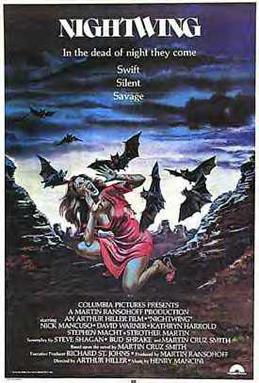
7Nightwing's 1984 debut as Dick Grayson's new identity freed Robin from Batman's shadow. The 1996-2009 run and recent solo series proved he could lead his own city. He is the gold standard for legacy character success.
Debut Year: 1984Power Level: 5/10Cultural Impact: 7/10Major Adaptations: 5Versatility: 8/10
- Best legacy character transition
- Strong acrobatic action
- Popular with younger readers
- Still tied to Batman family
- Fewer major film roles
- Multiple costume changes dilute brand
added by Yourlist EditorialNightwing
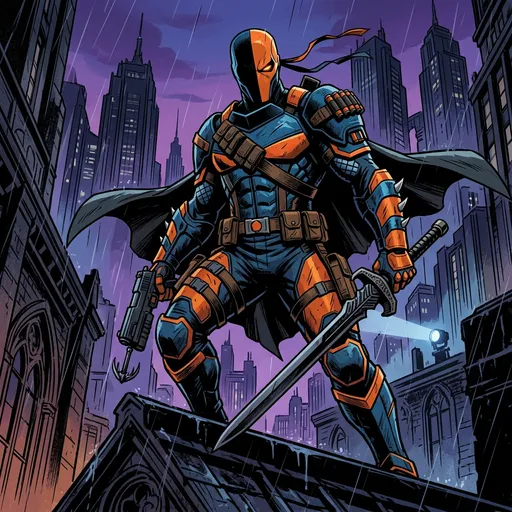
7Deathstroke's 1980 debut as a mercenary with enhanced abilities made him the definitive antihero assassin. The 1980s New Teen Titans run established him as a tactical equal to Batman. His moral gray area drives decades of stories.
Debut Year: 1980Power Level: 6/10Cultural Impact: 6/10Major Adaptations: 5Versatility: 7/10
- Tactical depth and skill
- Strong antihero appeal
- Multiple media appearances
- Violent methods limit family audience
- Origin tied to Teen Titans
- Can feel one-note in long runs
added by Yourlist Editorialin 2 rankingsDeathstroke
4Cyborg's 1980 debut as a Teen Titan gave DC its first major Black superhero with a tech-based origin. Justice League membership and the 2021 solo film elevated him to A-list status. His human-machine conflict offers unique thematic depth.
Debut Year: 1980Power Level: 7/10Cultural Impact: 7/10Major Adaptations: 5Versatility: 7/10
- Tech and identity themes
- Successful Justice League integration
- Modern solo film attempt
- Relatively recent addition to top tier
- Power set overlaps with other tech heroes
- Fewer classic solo arcs
added by Yourlist EditorialCyborg
3Bane's 1993 debut broke Batman both physically and psychologically in the Knightfall saga. His venom-enhanced strength and strategic mind made him an instant classic. The 2012 film cemented his mask and ideology.
Debut Year: 1993Power Level: 7/10Cultural Impact: 7/10Major Adaptations: 4Versatility: 6/10
- Iconic Batman-breaking moment
- Strategic villain depth
- Successful film version
- Tied heavily to one storyline
- Venom addiction limits longevity
- Fewer solo stories
added by Yourlist Editorialin 2 rankingsBane
1Supergirl's 1959 debut gave Superman a cousin and legacy heir. The 2004-2011 run and Supergirl TV series explored her separate identity. Her Kryptonian heritage and optimism provide fresh takes on the Superman mythos.
Debut Year: 1959Power Level: 9/10Cultural Impact: 6/10Major Adaptations: 5Versatility: 7/10
- Strong legacy potential
- TV series success
- Distinct personality from Superman
- Often overshadowed by cousin
- Power set identical to Superman
- Multiple origin retcons
added by Yourlist Editorialin 3 rankingsSupergirl
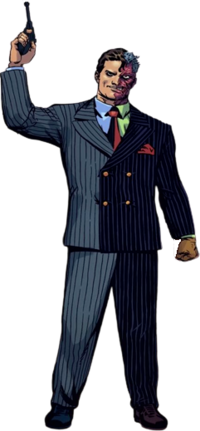
-1Two-Face's 1942 debut turned Harvey Dent's fall into Batman's most tragic personal failure. The coin-flip duality and 1989 film performance made him unforgettable. His internal conflict remains one of DC's strongest psychological stories.
Debut Year: 1942Power Level: 3/10Cultural Impact: 7/10Major Adaptations: 5Versatility: 6/10
- Deep psychological tragedy
- Strong film portrayals
- Personal stakes with Batman
- Limited powers for spectacle
- Often one-note in team books
- Fewer modern solo arcs
added by Yourlist Editorialin 2 rankingsTwo-Face
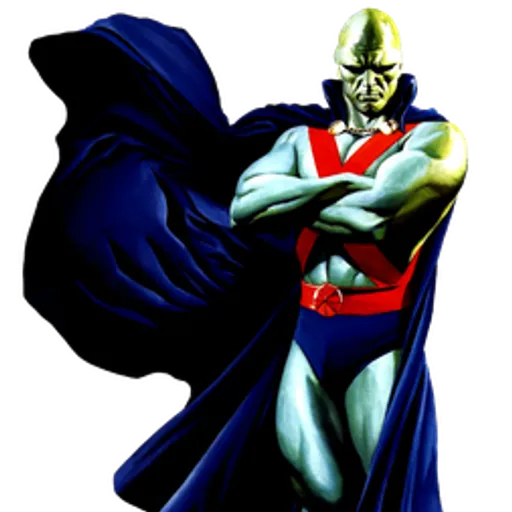
-3Martian Manhunter's 1955 debut added shape-shifting and telepathy to the Justice League's founding roster. His outsider perspective and fire weakness create constant dramatic tension. He remains the team's most underutilized powerhouse.
Debut Year: 1955Power Level: 9/10Cultural Impact: 5/10Major Adaptations: 4Versatility: 8/10
- Diverse power set
- Strong Justice League presence
- Thematic depth as alien observer
- Low mainstream recognition
- Often sidelined in team books
- Fire weakness can feel limiting
added by Yourlist Editorialin 2 rankingsMartian Manhunter
-5Poison Ivy's 1966 debut introduced an eco-terrorist with plant control and toxic kiss. Her 2016 solo series explored her as antiheroine rather than pure villain. Her environmental themes resonate more today than ever.
Debut Year: 1966Power Level: 6/10Cultural Impact: 6/10Major Adaptations: 5Versatility: 7/10
- Timely environmental themes
- Strong visual and power design
- Successful antihero turn
- Often reduced to femme fatale
- Limited solo history until recently
- Tied to Batman rogues
added by Yourlist Editorialin 2 rankingsPoison Ivy
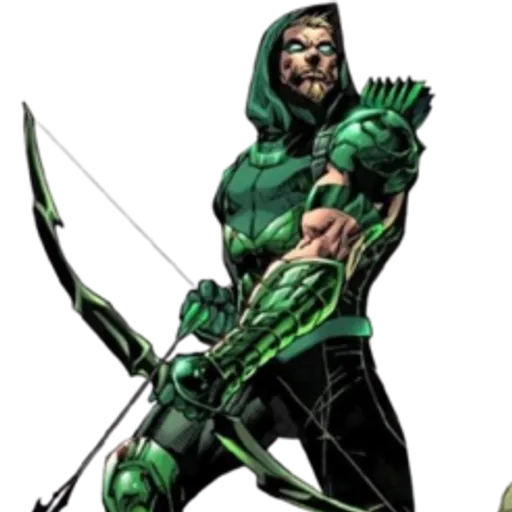
-6Green Arrow's 1941 debut evolved from Batman knockoff to social-justice archer in the 1970s. The 2006-2007 Green Arrow: Year One and Arrow TV series cemented his street-level relevance. His politics and trick arrows keep him distinct.
Debut Year: 1941Power Level: 4/10Cultural Impact: 7/10Major Adaptations: 6Versatility: 7/10
- Political and social commentary
- Strong TV success
- Legacy with multiple archers
- Power set overlaps with Batman
- Less cosmic scope
- Inconsistent solo sales
added by Yourlist Editorialin 2 rankingsGreen Arrow
-9Barbara Gordon's 1967 debut as Batgirl and later Oracle role showed resilience after The Killing Joke. The 2010s Batgirl solo series and Birds of Prey leadership cemented her as a top Bat-family hero.
Debut Year: 1967Power Level: 5/10Cultural Impact: 7/10Major Adaptations: 5Versatility: 7/10
- Strong disability representation arc
- Tech and leadership skills
- Popular solo series
- Origin tied to Batman
- Killing Joke trauma often retold
- Multiple versions confuse continuity
added by Yourlist EditorialBatgirl
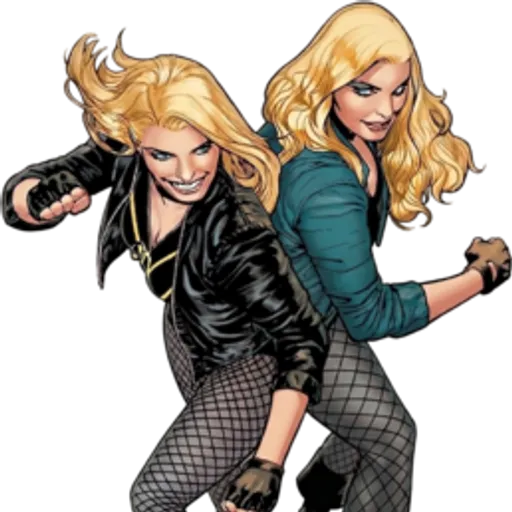
-9Black Canary's 1947 debut combined martial arts mastery with a sonic scream. The 2000s Birds of Prey run and Arrow series showed her leadership potential. She remains DC's premier street-level female fighter.
Debut Year: 1947Power Level: 5/10Cultural Impact: 6/10Major Adaptations: 4Versatility: 7/10
- Strong fighter archetype
- Birds of Prey leadership
- Consistent modern relevance
- Lower solo recognition
- Power set can feel gimmicky
- Often supporting role
added by Yourlist EditorialBlack Canary
-13Damian Wayne's 2006 debut as Batman's biological son injected new tension into the Bat-family. His 2010-2011 Batman and Robin run explored his lethal training versus heroism. The character brought fresh stakes and attitude.
Debut Year: 2006Power Level: 5/10Cultural Impact: 6/10Major Adaptations: 4Versatility: 7/10
- Unique family conflict
- Strong personality
- Fresh take on Robin legacy
- Recent addition limits history
- Divisive bratty attitude
- Tied to Batman family drama
added by Yourlist EditorialRobin
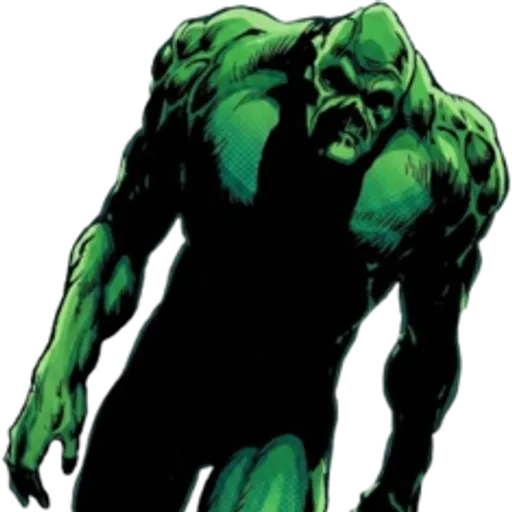
-19Swamp Thing's 1971 debut and 1984 Alan Moore run redefined horror comics with ecological horror and philosophical depth. The character's plant elemental nature and multiple TV attempts show enduring cult appeal.
Debut Year: 1971Power Level: 8/10Cultural Impact: 6/10Major Adaptations: 4Versatility: 7/10
- Genre-defining horror run
- Unique power and themes
- Cult following
- Lower mainstream visibility
- Mature tone limits broad appeal
- Fewer team crossovers
added by Yourlist EditorialSwamp Thing
-19John Constantine's 1985 debut brought cynical British occult detective work to DC. Hellblazer and multiple TV/film versions proved his antihero charm could cross media. His chain-smoking, deal-making persona stands apart.
Debut Year: 1985Power Level: 5/10Cultural Impact: 6/10Major Adaptations: 4Versatility: 8/10
- Distinctive cynical voice
- Mature occult stories
- Multiple media attempts
- Mature content limits audience
- Lower recognition outside Vertigo fans
- Inconsistent adaptations
added by Yourlist EditorialConstantine
-22