Indonesia, officially the Republic of Indonesia, is a country in Southeast Asia and Oceania, between the Indian and Pacific oceans. Comprising between 13,000 and 17,000 islands, including Sumatra, Java, Sulawesi, and parts of Borneo and New Guinea, it is the world's largest archipelagic state and the 14th-largest country by area. Indonesia has extensive tropical forests and marine ecosystems that support one of the world's highest levels of biodiversity.
The Indonesian archipelago has been inhabited since prehistoric times, with early human presence evidenced by fossils of Homo erectus and Homo sapiens, and megalithic sites. It became connected to regional and international maritime trade networks by the first millennium BCE. Hindu and Buddhist kingdoms developed by early centuries CE, followed by the spread of Islam and the growth of Islamic states from the late medieval period. European powers later competed to monopolise trade in the Spice Islands of Maluku during the Age of Discovery. Dutch commercial and colonial control expanded from the 17th century and was consolidated over most of the archipelago during the 19th and early 20th centuries, before Indonesia proclaimed its independence in the aftermath of World War II.
Since independence, Indonesia has experienced separatist conflicts, corruption, political upheaval and natural disasters, alongside democratisation and rapid economic growth. The country today is a presidential republic with an elected legislature and consists of 38 provinces, some of which enjoy greater autonomy than others. Home to over 280 million people, Indonesia ranks fourth in the world by population and has the largest Muslim population of any country. More than half of Indonesians live on Java, the most heavily populated island in the world, while the capital Jakarta is the world's most populous city.
Indonesia has hundreds of ethnic groups and more than 700 languages, alongside diverse regional cultures. This diversity is reflected in the national motto, Bhinneka Tunggal Ika. Indonesian, a standardised variety of Malay, is the official and national language as well as the nation's lingua franca. Indonesia has the largest economy in Southeast Asia, with services and industry accounting for most output and economic activity concentrated on Java. Sea and air transport are the primary means of connecting the country's many islands. Indonesia is a middle power active in regional and global affairs and is a member of the United Nations, G20, the Non-Aligned Movement, ASEAN, and the Organisation of Islamic Cooperation.
Contents
Etymology
The name Indonesia is usually explained as a combination of India and the Greek word nesos, together meaning 'Indian islands'. In 1850, George Windsor Earl, an English ethnologist, proposed the terms Indunesians and Malayunesians for the inhabitants of the "Indian Archipelago or Malay Archipelago", preferring the latter because he considered Indunesians too general. In the same journal, James Richardson Logan adopted Indonesia as a geographical term for the Indian Archipelago.
Usage remained limited for several decades. German ethnographer Adolf Bastian from the University of Berlin gave the term greater scholarly currency by using it in the title of his five-volume work Indonesien oder die Inseln des Malayischen Archipel, published from 1884 to 1894. Dutch scholars nevertheless tended to use Malay Archipelago (Dutch: Maleische Archipel) or the Netherlands East Indies (Nederlandsch Oost Indië). Popular alternatives included Indië, de Oost ("the East"), and, less often, Insulinde.
After 1900, Indonesia became increasingly common in academic and public usage, and Indonesian nationalist organisations adopted it as an expression of national unity and freedom from colonial rule. Among its early Indonesian promoters was Soewardi Soerjaningrat (Ki Hajar Dewantara), who established the Indonesisch Persbureau in The Hague in November 1918, a press bureau that used Indonesia in its name.
History
Prehistory, early states, and Islamisation
The island of Java has yielded numerous hominin fossils generally attributed to Homo erectus, including the type specimen discovered by Eugene Dubois at Trinil. Stone artefacts on Flores show that hominins had reached the island by at least 1.02 million years ago. Homo sapiens had dispersed into Southeast Asia by at least 50,000 years ago. In Sulawesi, narrative cave art has been dated to a minimum age of 51,200 years. Flores also yielded remains of the small-bodied hominin Homo floresiensis. Megalithic traditions later developed at different times across the archipelago, and stone monuments were used for burial and to honour or commemorate ancestors.
Beginning in the third millennium BCE, Austronesian-speaking communities moved south from Taiwan through the Philippines and into the Indonesian archipelago, where related languages eventually spread across most of the islands. Settlement and subsistence patterns varied across the islands, with communities combining fishing, hunting, gathering, and cultivation. From around 500 BCE, regional trading networks increasingly connected the archipelago with South and East Asia. Imported goods, knowledge, and technologies circulated through these networks, and during the early centuries CE some coastal communities in Borneo, Sumatra, and Java developed into trading ports. Indian merchants and religious specialists brought Sanskrit literacy, Hindu and Buddhist practices, and models of kingship that local rulers adopted.
Srivijaya, founded in southeastern Sumatra in the late 7th century CE, grew as a maritime trading polity and a centre of Buddhist learning and religious networks. In central Java, rulers supported the construction of major Hindu and Buddhist monuments between the 8th and 10th centuries, including Borobudur and Prambanan. Majapahit emerged in eastern Java in the late 13th century after Raden Wijaya used a Mongol expedition to defeat his rivals and then forced the Mongols to withdraw. Its rulers claimed suzerainty over a wide network of ports across the archipelago, although beyond Java this authority was often exercised indirectly through tributary, ritual, and commercial relationships rather than continuous territorial control.
The earliest firm evidence of an Islamic kingdom in the archipelago comes from northern Sumatra. By the end of the 13th century, Muslim rule was established at Perlak and Samudra (present-day Aceh). Majapahit declined during the 15th century amid succession disputes and internal conflict. By the early 16th century, Islam was established most firmly in ports connected to international trade. The Sultanate of Demak had become the leading Muslim state on Java's north coast and expanded across much of the island. Majapahit fell around 1527, and other Muslim states developed in Java and elsewhere in the archipelago. Later Javanese traditions associated early conversions with the Wali Sanga, and Islamic practice absorbed elements of older Javanese culture, setting Javanese Islam apart from the Islamic traditions of Malaya and Sumatra.
European contact and colonial rule
Before European arrival, spices from Maluku and the Banda Islands were already traded through Asian maritime networks by Javanese, Malay, and other merchants. After capturing Malacca in 1511, Portuguese expeditions travelled east towards Maluku. Dutch expeditions followed in the 1590s, and in 1602 competing Dutch companies merged to form the Dutch East India Company (Vereenigde Oost-Indische Compagnie, VOC). Its charter authorised it to wage war, build fortresses, and conclude treaties in Asia. The VOC made Batavia (present-day Jakarta) its headquarters in 1619, and the city grew rapidly as Indonesians and especially Chinese migrants arrived for commercial opportunities. The VOC was dissolved in 1800, and its territorial possessions passed to the Dutch government.
Dutch control expanded during the 19th and early 20th centuries and met prolonged resistance in Java, Sumatra, Bali, and Aceh. In western New Guinea, the Dutch established an outpost in 1828, abandoned it in 1836, and began permanent occupation only after 1898. By about 1910, colonial campaigns had roughly established the boundaries of present-day Indonesia. The Netherlands East Indies was governed through a combination of direct government and indirect rule by existing local authorities.
From 1901, the Dutch Ethical Policy expanded education and helped create a small Indonesian elite. Organisations such as Budi Utomo, Sarekat Islam, the Communist Party of Indonesia (PKI), and the Indonesian National Party (PNI) were formed, and they aimed for social and political reform and independence. Communist uprisings in 1926–27 and the growth of secular nationalism were followed by tighter colonial repression. Sukarno, Mohammad Hatta, Sutan Sjahrir, and other leaders were imprisoned or exiled. The Great Depression damaged the colony's export economy and caused hardship while open nationalist activity remained restricted during the 1930s.
Emergence of Indonesia and independence
A shared national identity began developing through youth associations and a growing literature in Malay, which had long been a lingua franca that did not favour any single ethnic group. Nationalists increasingly called the language Bahasa Indonesia and made it a common medium for the emerging nation. At a Youth Congress in Batavia in October 1928, delegates pledged allegiance to "one homeland" and "one nation", Indonesia, and to Bahasa Indonesia as the "language of unity". The Youth Pledge joined the movement's political and cultural aims and expressed a growing identification that crossed regional and religious lines.
Dutch colonial rule ended when Japan conquered the colony in 1942. The occupation brought forced labour, rice requisitioning, inflation, shortages, and famine, but Japanese authorities also mobilised Indonesians through mass, religious, and youth organisations. Semi-military and military units, including PETA, trained tens of thousands of Indonesians, and the greater use of Indonesian in propaganda strengthened its position as the national language. As Japan's defeat approached in 1945, they allowed Indonesian leaders to prepare for independence and draft a constitution.
Japan surrendered to the Allies on 15 August 1945, which created a power vacuum. Two days later, Sukarno and Mohammad Hatta issued the Proclamation of Indonesian Independence, and became president and vice-president later that month. Dutch attempts to restore colonial rule led to a four-year military and diplomatic struggle. Indonesian resistance, intervention by the United Nations, and financial pressure from the United States forced the Netherlands into negotiations. On 27 December 1949, the Netherlands transferred sovereignty, excluding western New Guinea, to the federal United States of Indonesia, which was replaced by a unitary republic on 17 August 1950.
Sukarno era and Suharto's New Order
After the federal system was dissolved, Indonesia adopted a provisional constitution and parliamentary system. The political situation was unstable throughout the 1950s, and elections in 1955 failed to produce a durable governing majority. Meanwhile, regional officers in Sumatra and Sulawesi rebelled against Jakarta as they demanded autonomy and challenged Sukarno's centralising rule. When the Constituent Assembly failed to agree on a permanent constitution, Sukarno dissolved it by decree in 1959 and restored the 1945 Constitution. The change began the system known as Guided Democracy.
The new system concentrated authority in Sukarno, who balanced the military against the growing PKI while restricting party politics. His campaign against Dutch rule in western New Guinea led to the New York Agreement in 1962 and Indonesian administration of the territory in 1963. After the 30 September Movement killed six generals in 1965, the army blamed the PKI and launched a violent anti-communist campaign with allied civilian groups. At least 500,000 people were killed and an additional hundreds of thousands detained. The campaign destroyed the PKI and shifted power to the army. The Supersemar order in 1966 gave army general Suharto de facto control over key executive and security powers, an effective transfer of power from Sukarno.
Suharto's New Order centralised political and military power, restricted opposition, and used engineered elections to maintain power. The Act of Free Choice in 1969 formalised Indonesian rule in western New Guinea but this was opposed by many Papuans, and armed resistance has continued since then. In 1975, Indonesia invaded former Portuguese colony East Timor and annexed it the following year. In Aceh, Hasan di Tiro founded the Free Aceh Movement (GAM) in 1976 and declared independence from Indonesia. The insurgency was largely suppressed by 1979, but it revived in 1989 amid the return of fighters trained in Libya, which prompted a decade-long campaign from the Indonesian military.
Economic liberalisation, foreign investment, and export-oriented industrialisation contributed to sustained growth, but corporate ownership and wealth became highly concentrated among a small number of family-controlled conglomerates. The Asian financial crisis in 1997–98 caused sharp economic downturn and unrest in several cities, including Jakarta, Medan, and Surakarta, and culminated in Suharto's resignation in May 1998. East Timor later voted for independence in 1999 and became an independent country in 2002.
Reformasi and contemporary Indonesia
The period after Suharto, known as Reformasi in Indonesia, brought constitutional amendments, competitive elections, and decentralisation. The military lost its reserved parliamentary seats and the police became a separate service, but military influence did not disappear. Democratic institutions were established, but patronage and influence of oligarchy persisted. Former general Susilo Bambang Yudhoyono won the first direct presidential election in 2004. His administration reached a peace agreement with Aceh separatists in 2005 after the previous year's Indian Ocean tsunami brought more international attention to the province. Sporadic bombings occurred throughout the 2000s but had declined by the early 2010s.
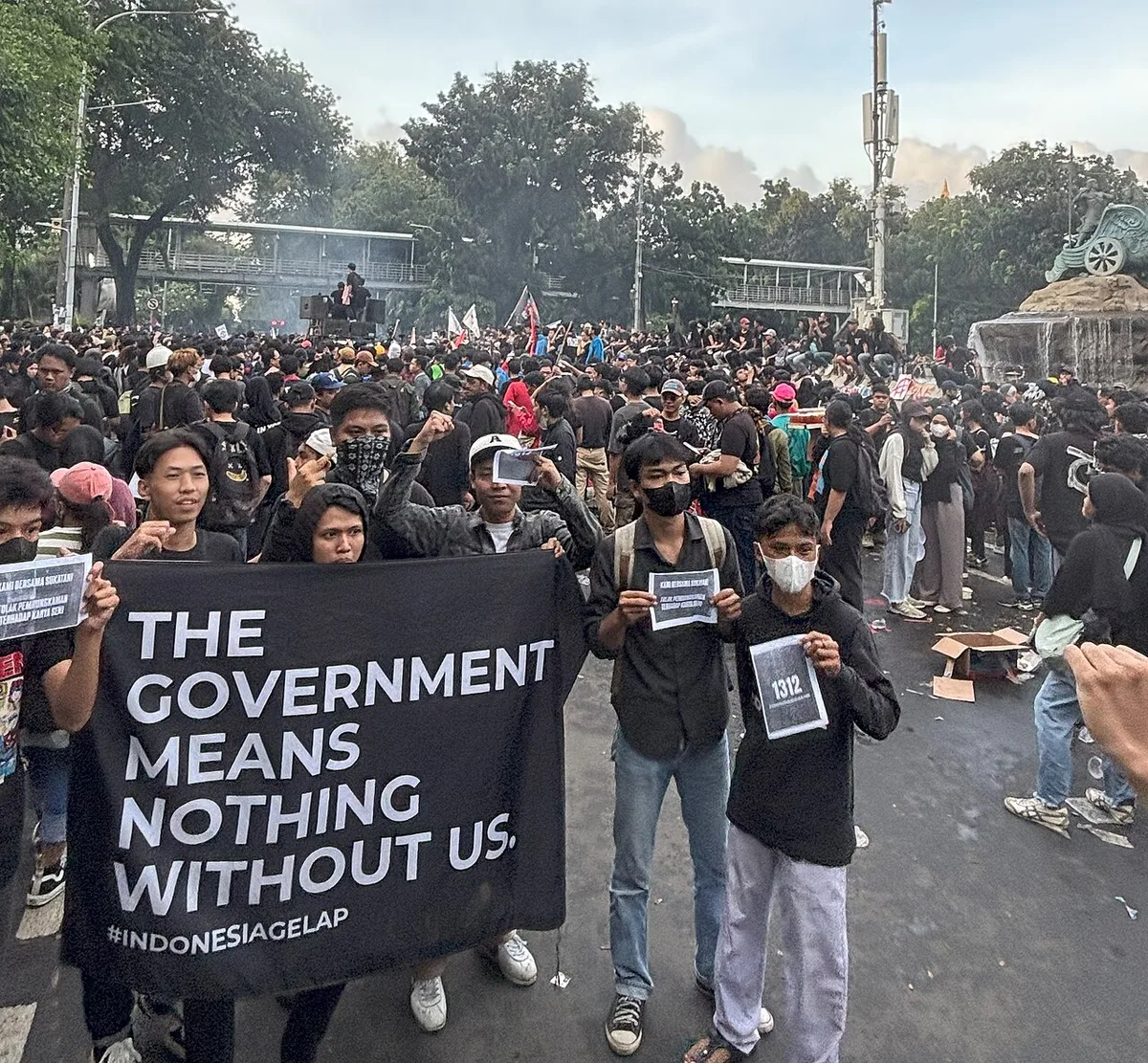
Joko Widodo, elected president in 2014, made infrastructure, economic development, and welfare central to his presidency. Electoral competition continued, but the lack of parliamentary opposition, and changes to the anti-corruption commission, restrictions on dissent, and interference in the 2024 election reduced the quality of democracy. Widodo backed Prabowo Subianto and his son Gibran Rakabuming Raka, whose ticket won the 2024 election. Under Prabowo, the government pursued a fiscally expansive programme, while new laws permitted a larger cabinet and a 2025 revision of the military law allowed more active officers to serve in civilian posts.
Geography
Indonesia is an equatorial archipelago of coastal plains, mountains, and volcanic islands. It lies between latitudes 11°S and 6°N and longitudes 95°E and 141°E, and is the world's largest archipelagic state, extending 5,120 kilometres (3,181 mi) from east to west and 1,760 kilometres (1,094 mi) from north to south. Several straits, including Malacca, Sunda, and Lombok, carry international traffic between the Indian and Pacific Oceans, including ships transporting oil, gas, and industrial goods.
The number of Indonesian islands varies by counting method, with published figures ranging from 13,466 named islands to more than 17,500. About 922 of them are permanently inhabited. Its five main islands are Sumatra, Java, Sulawesi, Borneo, and New Guinea. Indonesia occupies most of Borneo, where it is known as Kalimantan, and the western part of New Guinea, commonly called Papua. The remainder of those islands is shared with Brunei and Malaysia, and with Papua New Guinea, respectively.
Java accounts for less than 7% of Indonesia's land area but is its most populous island, with intensive farming and extensive urban growth. Forest cover also differs widely, with larger forested areas in Papua and Maluku than in Java and Bali. Indonesia's terrain includes high peaks, volcanic lakes, major rivers, and coastal plains. At 4,884 metres (16,024 ft), Puncak Jaya on New Guinea is Indonesia's highest peak, while Lake Toba on Sumatra is its largest lake. In Kalimantan, major waterways like the Kapuas, Barito, and Mahakam rivers have historically served as corridors for movement and trade between communities in the island's interior and those near the coast.
Indonesia occupies a complex plate-boundary zone where the Eurasian, India-Australia, and Pacific-Philippine sea tectonic plates interact, with subduction zones along these boundaries producing frequent earthquakes and volcanic activity. The resulting volcanic belt contains roughly 400 volcanoes, around 130 of which are considered active. This tectonic setting also exposes the archipelago to major earthquake and tsunami hazards. The Sumatra earthquake in 2004 generated a tsunami that caused widespread destruction in Aceh. The archipelago has also experienced eruptions of exceptional magnitude. No larger explosive event is known from the past 2.5 million years than the Toba super-eruption about 74,000 years ago, and the eruption of Tambora in 1815 was followed by global cooling and the Year Without a Summer in 1816.
Climate
Indonesia's equatorial position and monsoon winds give it a tropical climate. Most lowland areas are warm and humid throughout the year, while higher terrain is cooler and seasonal temperature differences are small. Seasonal changes in the monsoon generally bring wetter conditions from November to April and drier conditions from May to October, but their timing and intensity vary by region. Much of the country has a tropical rainforest climate, with tropical monsoon and savanna climates across parts of the islands. Seasonal rainfall helps set rice-planting calendars and influences droughts, floods, and fires.
Rainfall varies across the archipelago. Western Sumatra, western Java, and parts of Kalimantan and Papua are among the wetter areas, while regions nearer Australia, including Nusa Tenggara, are generally drier. The surrounding oceans, island geography, monsoon winds, and topography all affect where and when rain falls. In drought-prone regions of the country, El Niño can suppress rainfall and prolong dry periods, causing water shortages and crop losses.
Indonesia is expected to face rising temperatures, changes in rainfall, higher sea levels, and increasing risks from extreme heat and floods. These changes affect agriculture, water resources, public health, coastal settlements, and wildfire management. Sea-level rise is especially relevant to coastal areas, where much of Indonesia's population and infrastructure is located. Poorer households and communities with weaker infrastructure are likely to have less capacity to adapt.
Biodiversity and conservation
Indonesia is among the 17 countries identified as megadiverse by Conservation International. Its many islands and geological past have helped produce a highly diverse flora and fauna. Within the archipelago, Wallacea is a transition zone between Asian and Australian fauna and one of the world's largest centres of endemism. In 2015, an estimated 83% of Southeast Asia's old-growth forest was in Indonesia. Mangrove forests, coral reefs and seagrass beds are among Indonesia's coastal ecosystems.
Large oil-palm and timber plantations were estimated to account for more than two-fifths of national deforestation between 2001 and 2016. Conversion of forest land for farming, roads, and other development breaks up remaining habitat, which affects species populations, habitat quality, and biodiversity. Peat-swamp forests are important carbon stores and habitat for threatened taxa, but are especially vulnerable to logging, fire and land conversion. Surveys of 15 reefs in three regions found lower coral diversity where reefs were exposed to land-based pollution and anchor damage.
Indonesia has designated 554 protected areas covering 27 million hectares, equivalent to 14% of its land area. Assessments conducted in 2015, 2017 and 2019 found improved management scores, but identified poaching, illegal logging, human settlements, tourism and non-timber cultivation as the main threats to protected areas. In Papua, research around the Cyclops Mountains protected area found limited consultation with nearby communities and implementation problems linked to scarce resources.
Government and politics
Indonesia is a unitary republic with a presidential system under the 1945 Constitution. The Constitution's five principles of Pancasila are taught through the civic education. After the fall of the New Order in 1998, four constitutional amendments between 1999 and 2002 altered the political system by introducing direct presidential elections, establishing new state institutions, reducing the MPR's role, and giving regional autonomy a constitutional basis. Indonesia remained a unitary state, while decentralisation transferred substantial powers to the provinces, districts, and cities.
The president is head of state, head of government, and commander-in-chief of the Indonesian National Armed Forces, and may serve no more than two five-year terms. The People's Consultative Assembly (MPR) consists of elected members of the House of Representatives (DPR) and the Regional Representative Council (DPD). The MPR may amend the constitution, inaugurates the president and vice president, and may dismiss them under constitutional procedures. The DPR makes laws with the president, approves the state budget, and oversees the government. The DPD may propose, review, and advise on bills concerning regional government, but has less authority than the DPR.
Indonesia's legal system belongs primarily to the civil-law tradition, while also incorporating customary (adat) law and Islamic law, including in marriage and inheritance matters for Muslims. Judicial power is exercised by the Supreme Court, the courts beneath it, and the Constitutional Court. The Supreme Court acts as the final appellate court and reviews regulations below statutes. The Constitutional Court reviews statutes for constitutionality, decides disputes over state-institution powers, political-party dissolution, and election results. It also has a role in presidential impeachment proceedings. The Religious Courts hear marriage, divorce and inheritance cases, as well as certain economic disputes arising under Islamic law. The Judicial Commission proposes candidates for Supreme Court justices and has responsibilities concerning judicial conduct.
Parties and elections
Since the return to competitive elections in 1999, Indonesia has had a fragmented multi-party system. No party has won a majority in legislative elections, and presidents have usually governed through broad coalitions that include many parties in the legislature and cabinet.
Political parties are often distinguished by their orientation toward secular nationalism or political Islam, but governing coalitions commonly include both. Party politics often relies more on patronage and elite power-sharing than detailed policy programmes, although the role of Islam in public life is a source of ideological difference. Opposition parties have at times joined presidential power-sharing arrangements after elections.
Indonesia held its first general election in 1955. Since 2004, voters have directly elected the president, the DPR, and the DPD every five years. Members of the DPR are elected through party-based contests, while DPD candidates run as individuals to represent provincial constituencies. National elections require large-scale logistics, as ballots and other materials must reach remote islands, mountain areas, and places with limited infrastructure.
Administrative divisions
Indonesia is a unitary state divided into provinces, regencies, and cities, each with elected regional authorities regulated by law. Provinces are headed by governors and have provincial legislatures (DPRD). Regencies and cities are headed by regents and mayors and have local legislatures. Below regencies and cities are districts, which are divided into villages. Rural villages have self-governing status, while urban villages form part of district administration.
Regional autonomy after 1998 transferred substantial powers to subnational governments, including the provinces. Special arrangements apply to nine of them: Aceh may apply aspects of Islamic law, the six provinces in Papua have special autonomy, and Yogyakarta retains a hereditary sultanate. Jakarta has autonomy due to its role as the national capital. Since 2022, Nusantara in East Kalimantan has been planned as the future national capital.
Foreign relations and military
Indonesia follows an "independent and active" (bebas aktif) foreign policy, a doctrine formulated by Vice President Mohammad Hatta in 1948. In practice, the doctrine has meant avoiding military alliances and rival power blocs while using diplomacy to pursue national interests. As a middle power, Indonesia works through regional and multilateral institutions while preserving room to manoeuvre in its relations with major powers.
As a founding member of the Association of Southeast Asian Nations (ASEAN), Indonesia places the organisation at the centre of its regional diplomacy, including in managing relations with major powers. Indonesia has broad bilateral ties with Malaysia and Singapore, including cooperation in economic, defence, and cultural fields. Relations with Australia are conducted through a Comprehensive Strategic Partnership covering several areas, including economic development and regional stability. On China–United States competition, Indonesia has avoided formal alignment with either power, supported ASEAN-led forums, and sought cooperation that does not heighten regional conflict.
Indonesia has been a member of the United Nations since 1950, apart from an absence in 1965–66. It participates in multilateral forums including the Non-Aligned Movement, the Organisation of Islamic Cooperation, and the East Asia Summit. After decades as a major recipient of foreign aid, Indonesia also provides development assistance and established a foreign aid agency in 2019. Since 1957, it has sent military and police personnel to UN peacekeeping missions.
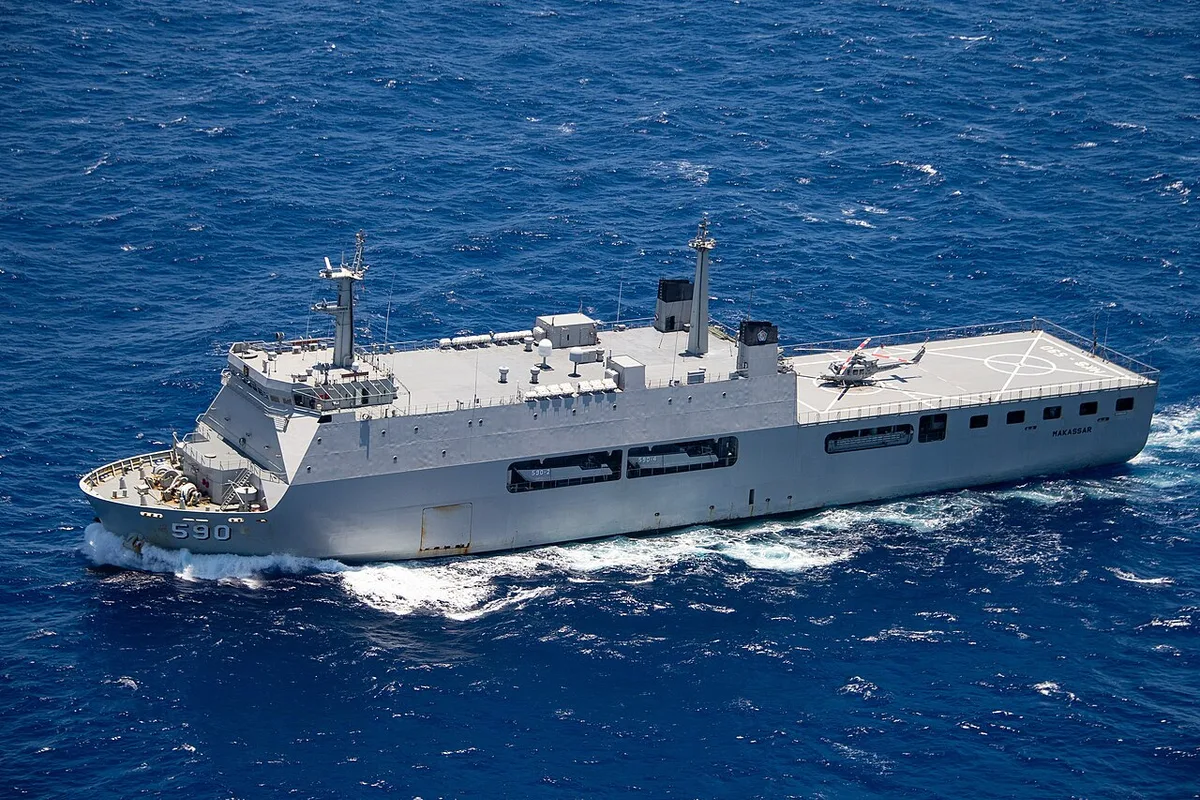
The Indonesian National Armed Forces (TNI) consists of the Army, Navy, and Air Force. The Army's territorial units extend across provincial and regency/city areas. Until its termination in 2000, the military's "dual function" (dwifungsi) doctrine provided a basis for involvement in political affairs alongside its security role. By 2004, reforms had also ended unelected military representation in Parliament and removed the military faction from the MPR. A 2024 study found that cooperative parliamentary oversight had helped stabilise civil–military relations but also slowed further reform and weakened democratic management of defence.
Law enforcement and human rights
Law enforcement in Indonesia is primarily carried out by the Indonesian National Police (POLRI). The Chief of the Indonesian National Police is under and responsible to the President. POLRI's duties include maintaining public order and security, protecting and serving the public, and enforcing the law.
Human rights concerns include racism against the Chinese, and Papuans, and communal violence after 1998, including conflicts in Kalimantan and Maluku. Religious and gender minorities have faced discriminatory regulations, while anti-LGBT campaigns since 2016 have involved official statements, raids, and proposed legal restrictions. The National Commission on Human Rights is the main state human rights body. Its work has faced constraints from politicisation, internal divisions, and resistance from other state bodies.
Economy
Indonesia has a mixed economy in which the private sector and the government both have large roles. It is the only G20 member state in Southeast Asia. In 2025, Indonesia's gross domestic product was Rp23.821 quadrillion (US$1.446 trillion) at current prices, making it Southeast Asia's largest economy and placing it among the world's top 20 by nominal GDP and top 10 by GDP at purchasing power parity. Services and industry account for the largest shares of gross domestic product, while agriculture remains a major source of employment.
The economy was once largely agricultural, and early post-independence policy centred on agricultural self-sufficiency. Industrialisation and urbanisation began in the late 1960s and accelerated in the 1980s, after falling oil prices led the government to promote manufactured exports. Manufacturing and non-oil exports grew in the 1980s and 1990s, during a period of rapid growth and falling poverty. The Asian financial crisis in 1997–98 caused a severe contraction, followed by recovery and reforms in banking, public finance, and exchange-rate management.
Household consumption accounts for a large share of GDP, supported by Indonesia's population, urbanisation, and expanding consumer class. Domestic demand helped soften the effect of the 2008 financial crisis, while exports, public spending, and private consumption contributed to the recovery after the COVID-19 pandemic. However, many workers remain in informal jobs, and businesses face infrastructure, regulatory, and governance obstacles.
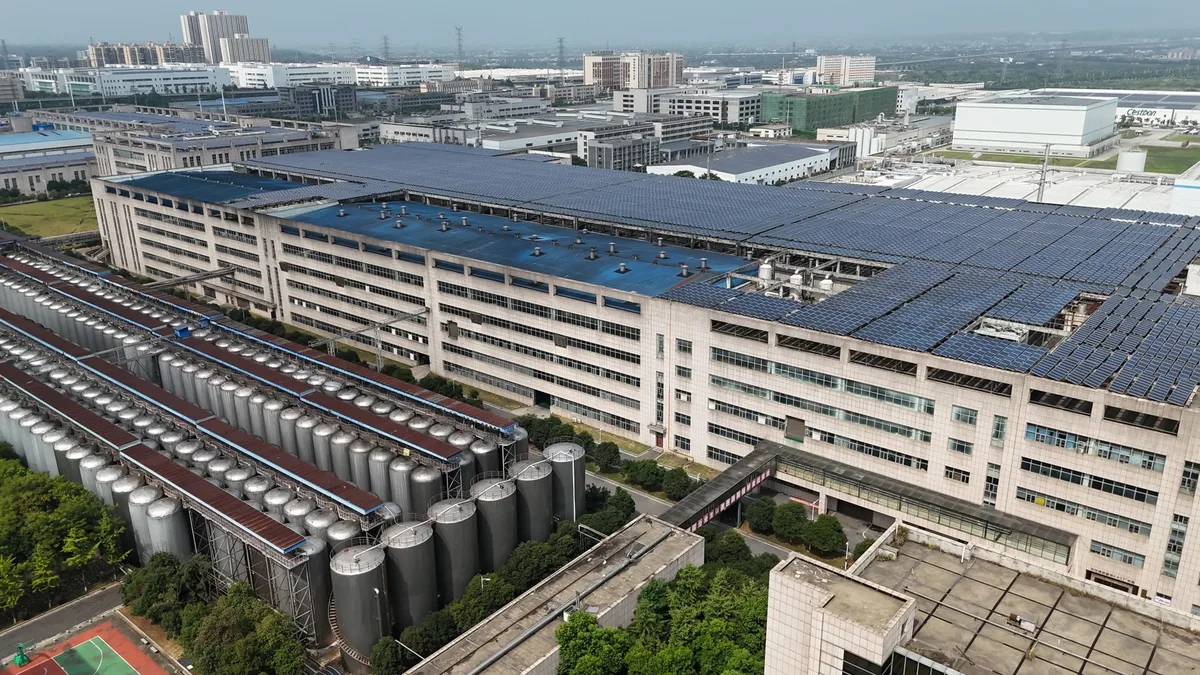
The archipelago's geography affects where economic activity takes place and how goods move across the country. Inter-island transport and logistics costs are high, raising costs for production, investment, and the integration of regional markets. Economic activity is concentrated on Java, while many outer regions have weaker infrastructure and less diversified local economies.
Tourism is a major service industry, generating about US$14 billion in foreign-exchange earnings and recording 11.6 million international visitor arrivals in 2023. It supports jobs and businesses in accommodation, food services, transport, and related activities. International tourism is concentrated in Bali and other major gateways, while domestic travellers account for most tourism spending.
Infrastructure
Transport
Road transport is the predominant mode in Indonesia, while maritime and air services are important for connecting islands and remote regions. Limited connectivity in eastern Indonesia contributes to higher logistics costs and price disparities than in western Indonesia. Public transport in many cities has not kept pace with urban growth, contributing to heavy reliance on cars and motorcycles. Rail transport remains concentrated mainly on Java, although new lines have opened in South Sulawesi. The Jakarta–Bandung high-speed railway began commercial operations in 2023.
Energy
In 2023, Indonesia produced substantially more primary energy than it consumed, with coal dominating both primary energy production and electricity generation. Indonesia is a major exporter of coal and liquefied natural gas while importing substantial quantities of petroleum products. The state electricity utility Perusahaan Listrik Negara (PLN) owns the transmission and distribution system and acts as the principal buyer of privately generated electricity on the national grids. Renewables provide a smaller share of electricity generation, although Indonesia was the world's largest producer of geothermal electricity in 2023. Renewable-energy investment has also been constrained by regulatory uncertainty and PLN's financial position.
Demographics
Indonesia's 2020 census recorded 270.2 million people, making it the world's fourth most populous country after India, China and the United States. The population is concentrated on Java and in urban centres, while many provinces outside Java and Bali are much less densely populated. Java is home to 56% of the population, and its population density is far above the national average, reaching 1,171 people per square kilometre (3,030 people/mi2).
Indonesia has a median age of 30.7 years as of 2026, while about 69% of the population was aged 15–64 in 2025. Jakarta is the country's largest metropolitan area and, under the UN's harmonised urban definition, is listed as the world's most populous city, with nearly 42 million inhabitants as of 2025.
Approximately 59% of Indonesians lived in urban areas as of 2025. Urbanisation has come from rural-to-urban migration, natural increase in urban areas, and the reclassification of rural settlements. It has also expanded metropolitan regions, especially on Java, and increased demand for infrastructure, basic services, and city management. In addition, about 8 million Indonesians reside overseas, with large communities in Malaysia, the Netherlands, Saudi Arabia, Singapore, and Taiwan.
Ethnic groups and languages
The 2010 census listed over 1,300 suku bangsa, or ethnic groups. A later study reclassified them into about 600 groups after noting classification difficulties. Austronesian-speaking populations predominate in much of western and central Indonesia. Melanesian populations live mainly in the eastern islands, including parts of Nusa Tenggara, Maluku, and western New Guinea. The Javanese are the largest ethnic group, making up about 40% of the population. Other major groups include the Sundanese, Malay, Batak, Madurese, Betawi, Minangkabau, and Bugis.
The official language, Indonesian, is a standardized variety of Malay based on the Riau-Johor literary tradition. Malay had long served as a lingua franca in the archipelago before Indonesian nationalists adopted it as a language of unity through the 1928 Youth Pledge; it gained official status in 1945 under the name Bahasa Indonesia. Written in the Latin script, Indonesian has spread through education, government, and mass media, and serves as a common language across ethnic and regional boundaries.
Indonesia is one of the world's most linguistically diverse countries, with more than 700 languages spoken across the archipelago. Most local languages belong to the Austronesian family, while eastern Indonesia includes more than 150 Papuan languages. Javanese is the most widely spoken local language and has official regional status in Yogyakarta. Several local languages also retain, or have historically used, distinct writing traditions. Local languages remain part of regional identity and cultural heritage, even as Indonesian dominates national public life. Dutch language never became widely spoken outside colonial elites, as Malay was already the archipelago's lingua franca. It survives mainly in historical and some legal contexts.
Religion
Indonesia recognises six religions: Islam, Protestantism, Roman Catholicism, Hinduism, Buddhism, and Confucianism, while the constitution guarantees freedom of religion. The state regulates religious affiliation and public worship. Recognised religions receive administrative recognition for religious affiliation, marriages, and houses of worship, while followers of indigenous religions have often received weaker recognition or faced discrimination. Pancasila makes belief in one God one of the state ideology's five principles and is used to support national unity and religious harmony. Religious minorities still face discrimination, including through local religious bylaws, social pressure, and restrictions on worship.
Indonesia has more Muslims than any other country, with 251 million Muslims in 2025, or 87.15% of the population. Protestants and Catholics together made up 10.44% of the population, and Christians form majorities in several eastern provinces. Hindus accounted for 1.66% and are concentrated in Bali, while Buddhists accounted for 0.69% and are found mainly among Chinese Indonesians, though not exclusively.
Many local belief systems predate the recognised religions and continue alongside them. They include beliefs in ancestors, spirits, and powers associated with nature. Traditions such as Sunda Wiwitan, Kejawèn, and Kaharingan continue in different forms within or alongside the recognised religions. In Java and Bali, Islam and Hinduism also absorbed older customs and ritual practices.
Education
Indonesia's education system includes more than 50 million students and over 250,000 schools. It is managed across ministries responsible for school education, higher education, and religious education, and follows a 6-3-3-4 structure: six years of elementary school, three years each of junior and senior secondary school, and four years of tertiary education.
Since independence, schools have supported national integration through Indonesian-language instruction, national curricula, and civic education. Access and school quality differ across regions, especially between urban and rural areas and between western and eastern provinces. In 2025, net enrolment was 97.0% at the primary level, 80.7% at lower secondary, 67.4% at upper secondary, and 23.3% in tertiary education among people aged 19–23. Teacher quality and distribution remain persistent problems. In PISA 2022, 18% of Indonesian 15-year-olds reached at least Level 2 proficiency in mathematics, 25% in reading, and 34% in science, compared with OECD averages of 69%, 74%, and 76%, respectively.
Government spending on education accounted for approximately 1.3% of GDP in 2023. In 2022, Indonesia had 4,481 higher education institutions, including universities, Islamic institutions, service colleges, and open universities. The University of Indonesia, Gadjah Mada University, and the Bandung Institute of Technology are among the country's highest-ranked public universities in international rankings. Higher education supplies skilled workers and supports research, but tertiary attainment, access, and institutional quality are uneven.
Healthcare
Primary care is provided mainly through community health centres (puskesmas) and primary-care hospitals. In 2014, Indonesia launched Jaminan Kesehatan Nasional (JKN), one of the world's largest single-payer health-insurance systems that covered 98% of the population by 2024. Despite the widespread coverage, regional disparities remain in access to services and the distribution of health workers.
Life expectancy increased between 1990 and 2019 from 62.5 to 69.4 years for men and from 65.7 to 73.5 years for women, but substantial differences remained between provinces. Indonesia faces a double burden of disease. Non-communicable diseases account for an increasing share of health loss, while communicable diseases remain important causes of disability and premature death. Stunting prevalence among children was 21.6% in 2022.
Culture
Indonesia's cultures differ across islands, languages, and communities. Older populations and later Austronesian migrations contributed to this diversity, with Papuan and Melanesian populations prominent in the east. Sea trade and migration linked the islands with India, Arabia, Persia, China, mainland Southeast Asia, and later Europe; these contacts brought religions, scripts, court arts, and colonial rule, often first through ports and trading towns before spreading across the regions.
Indonesia has no single uniform cultural tradition. Regional arts and customs vary by local history, language, and community, while national forms use Indonesian and reach audiences across the country. These traditions include performance, visual art, ritual, clothing, food, and literature. Modern popular culture includes cinema, television drama, music, celebrity media, and reality shows, along with imported Asian dramas and global formats adapted for Indonesian audiences.
Indonesia has 16 items on the UNESCO Intangible Cultural Heritage Lists, including wayang puppet theatre, batik, angklung, the saman dance, and pencak silat. Recent joint nominations have added pantun, kebaya, and kolintang to the list.
Visual arts and architecture
Indonesian visual arts include textiles, puppetry, masks, carving, and painting. Many have associations with ritual, court traditions, status, or regional identity, and have changed through trade, colonial rule, nationalism, tourism, and urban art communities. Regional painting traditions include classical Kamasan and Wayang-style narrative forms in Bali. Sculptural traditions range from megalithic monuments to Ngaju Dayak hampatong figures and Asmat artefacts, which have commemorative, protective, aesthetic, or spiritual functions.
Indonesian architecture ranges from everyday houses to ritual houses (rumah adat), whose layout, posts, roofs, heirlooms, and construction rites can mark ancestry, status, and local belief. Regional forms include the Javanese pendapa, Dayak longhouses, Minangkabau Rumah Gadang, and Toraja Tongkonan. Monumental religious architecture includes Borobudur and Prambanan, while surviving Hindu and Buddhist sculpture from the 8th to 15th centuries includes works in stone, bronze, and gold.
Clothing traditions differ by region and are used in ceremonies, weddings, formal occasions, and as markers of local identity. Batik and kebaya are widely used in national and formal dress and are especially prominent in Javanese culture. Other regional textiles and clothing traditions include the Batak ulos, Malay and Minangkabau songket, and Sasak ikat, which are used in ceremonies, weddings, exchange, and formal events.
Performing arts
Indonesian music and dance include court, village, ritual, and popular forms. Gamelan traditions are centred especially in Java and Bali, while angklung and other bamboo ensembles are used in western Java, Banyumas, and other regions. Drums, gongs, lutes, singing, and dance music also appear across the archipelago. Islamic musical forms include gambus and qasida, while popular genres include keroncong and dangdut, which grew from Melayu music and draws on Indian, Arabic, and Western pop and rock elements.
Dance traditions are practiced for different purposes across regions. Mask dances appear in Javanese court drama and Balinese ritual performance, while Dayak mask dances are performed in agricultural rituals and community ceremonies. Javanese court dance includes forms such as bedhaya and serimpi, while other local dances accompany theatre, music, trance, healing, harvest, and rites of passage. Contemporary performers also adapt global forms.
Traditional Indonesian theatre combines storytelling, music, movement, puppetry, masks, and actor-dance. Wayang, a major puppet-theatre tradition in Java and Bali, often draws on the Ramayana and Mahabharata, is led by a dalang, and is accompanied by music. It has served ritual, moral, comic, political, and public-messaging functions. Other regional traditions combine drama with music, dance, masks, or martial arts, and modern theatre groups have used performance for social and political commentary.
Literature
Literary traditions in Indonesia developed in many regional languages and included both oral and written forms. Oral traditions ranged from storytelling to songs, customs, beliefs, and other community forms, while material could pass between oral and written transmission. Traditional written literature included court chronicles, religious and legal writing, narrative prose, and verse. Such forms often served ethical, religious, or dynastic purposes rather than entertainment.
Modern Indonesian literature grew in the early 20th century alongside the expansion of literacy, publishing, and a wider reading public. Balai Pustaka distributed books and maintained libraries and agencies across the archipelago, which gave new writers access to wider circulation. During this period, prose fiction and poetry became more prominent, displacing some older literary forms. From 1933, Pujangga Baru provided another venue for literary and cultural writing, publishing essays, poetry, short stories, and longer prose before the Japanese occupation. Newspapers, magazines, and other publications also carried Indonesian-language prose and poetry during the prewar period.
In the 1970s and 1980s, newspapers and magazines were important outlets for literature, with regular sections carrying poetry, short stories, criticism, and serial fiction. From the late 1990s, some forms of literary activity began to emerge in digital media, with websites, mailing lists, forums, and blogs providing spaces for literary communities and for publication. Literary production has also faced less state restrictions in this period, with writers able to engage more openly with previously sensitive subjects, such as sexuality and stronger religious expressions.
Cinema and mass media
Indonesian cinema began during the Dutch colonial era with Loetoeng Kasaroeng (1926), and a national film industry developed after independence. Film became associated with nationalist and anti-colonial politics under Sukarno, while the New Order regulated and censored cinema. The domestic industry of the 1970s and 1980s declined sharply in the early 1990s. After 1998, independent filmmakers, film communities, festivals, and renewed commercial production helped revive Indonesian cinema. However, censorship and pressure from non-state actors still limited expression.
During the New Order, newspapers and broadcasters operated under licensing and censorship, and television policy promoted development and an official conception of national culture. In the Reformasi period, the 1999 Press Law prohibited censorship, publication bans, and licensing requirements but journalists and media organisations still face legal cases, political pressure, violence, and other forms of intimidation.
Internet use expanded rapidly from the 1990s onward and changed how news and other media were distributed. Mainstream media increasingly operate across multiple digital platforms, using converged newsrooms and shared production resources while adapting content to online and social-media audiences.
Cuisine
Indonesian cuisine varies considerably by island and region. Food traditions use local ingredients and techniques alongside Indian, Chinese, Middle Eastern, Portuguese, Dutch, and other foreign influences.
Rice is the main staple food across much of the archipelago and is commonly eaten with meat, fish, vegetables, and condiments. Common ingredients and seasonings include chilli, coconut milk, shrimp paste, peanuts, garlic, shallots, tamarind, fish, and chicken. Soy-based foods such as tempeh and tahu are also common, especially in Java and Bali.
Dishes such as nasi goreng, gado-gado, mie, and sate are eaten in many parts of the country. Regional cuisines include Minangkabau dishes such as rendang. Tumpeng, a Javanese ceremonial rice dish, is used in rites of passage, thanksgiving, and public celebrations.
Sports
Popular sports in Indonesia include football, badminton, weightlifting, and basketball, along with local games and martial arts. Football is one of the country's most followed sports, with active club supporters and public screenings of major matches. Indonesia was the first Asian representative to appear at the FIFA World Cup, taking part in the 1938 tournament as the Dutch East Indies.
Indonesia has been particularly successful in international badminton, winning both the Thomas and Uber Cups, the men's and women's world team championships. Most of Indonesia's Olympic medals have come from badminton and weightlifting. Indonesia first competed at the Olympics in Helsinki in 1952 and has participated in the Asian Games since the inaugural 1951 edition. Jakarta has hosted the Asian Games twice, first in 1962 and again in 2018 with Palembang.
Traditional sports and games are featured in ceremonies, harvest events, contests, and public entertainment. Examples include sepak takraw, bull racing (karapan sapi) in Madura, and ritual combat traditions such as caci in Flores and pasola in Sumba. Pencak silat is an Indonesian martial art and was included as an official event at the 2018 Asian Games, where Indonesia won all 14 gold medals contested in the sport.