



Connecticut Prison College Programs Struggle to Meet Growing Demand
Thousands of incarcerated people in Connecticut want to pursue higher education, and funding is available, but limited space and resources have kept programs from expanding to meet demand, officials say. According to…
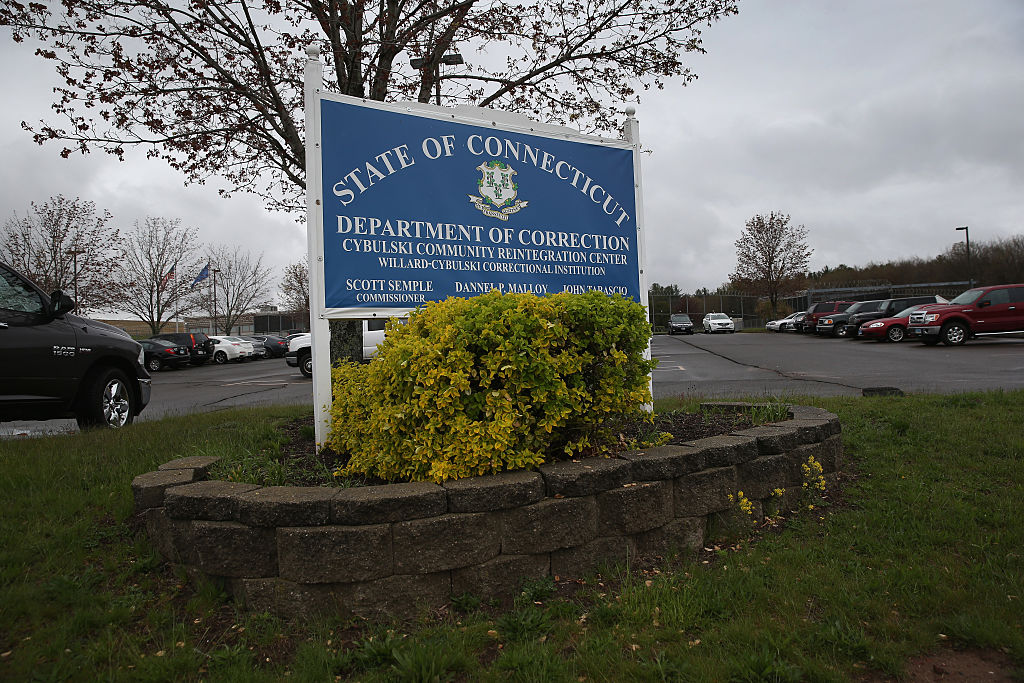
Thousands of incarcerated people in Connecticut want to pursue higher education, and funding is available, but limited space and resources have kept programs from expanding to meet demand, officials say.
According to The Associated Press, as of October 2024, about 320 incarcerated individuals were enrolled in college courses — a small fraction of the roughly 3,000 who are eligible. State leaders, correction officials, and educators point to shortages of classrooms, technology, and internet access as major barriers.
“With the classroom space we are currently allotted, we are really only able to admit maybe 12 to 15 students per year out of hundreds who express interest annually,” said Zelda Roland, founding director of the University of New Haven Prison Education Program and the Yale Prison Education Initiative.
Yale’s program offers college courses at MacDougall-Walker Correctional Institution and degrees in partnership with the University of New Haven.
Funding through Pell Grants is available, with maximum awards for 2025–26 reaching roughly $7,400 per student, but the lack of classrooms and equipment prevents expansion.
“The scale of this unmet need is astounding,” said Daniel Karpowitz, undersecretary of criminal justice policy and planning at Connecticut’s Office of Policy and Management. “If we measure it simply in the failure to draw down the millions of dollars that the federal government is offering, it’s staggering.”