FDA Panel Approves Several ‘Biohacking’ Drugs Amid Growing Social Media Demand
An advisory panel narrowly approved multiple drugs that some are hailing as a victory for the Make America Healthy Again movement and others are saying will worsen drug abuse.

An advisory panel narrowly approved multiple drugs that some are hailing as a victory for the Make America Healthy Again movement and others are saying will worsen drug abuse.
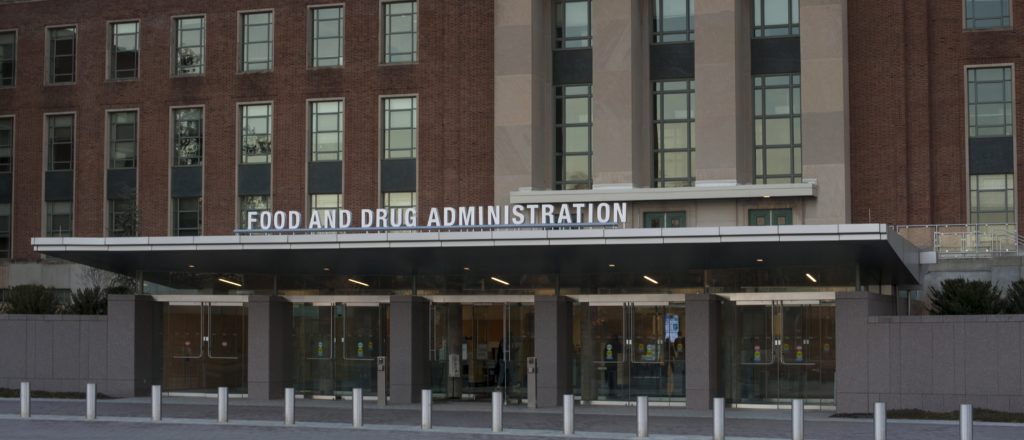
The Food and Drug Administration (FDA)’s Pharmacy Compounding Advisory Committee voted to approve six out of the seven peptides put forward for consideration to the 503A Bulks List — which determines what drugs pharmacies may mix and prescribe, STAT reported Friday. Peptide drugs are made from short chains of amino acids — the building blocks of proteins — and are mostly given as injections.
Peptides emerged at the center of the “biohacking” and “looksmaxxing” trends popular on social media, in which people go to experimental lengths to modify their health and body, according to the Partnership to End Addiction.
The majority of the panel voted on Thursday to approve BPC-157 for ulcerative colitis, MOTS-c for obesity and osteoporosis, in addition to KPV and TB-500 for wound healing. However, the majority voted against emideltide for withdrawal, chronic insomnia, and narcolepsy the next day.
“I voted yes because it’s time to put this decision back in the hands of the patient, the physician and the pharmacist,” Xifin Pharmacy Solutions chief pharmacy officer David Pope said shortly after voting in favor of BCP-157.
FDA staff — whom recommended that the panelists not approve any of the peptides, citing concerns over a lack of studies proving their safety and effectiveness — aren’t required to take the panel’s advice, per the outlet. The administration is expected to publish its decision on the rulings and provide a public comment period for it. However, the agency only completed the process for ten substances since Congress created the 503A Bulks List in 1977.
A spokesperson for the U.S Department of Health and Human Services (HHS) told the Daily Caller News Foundation that all panelists “underwent the same ethics review and vetting process required of all FDA advisory committee members. Candidates that could not meet existing ethics requirements were removed from consideration.”
“FDA is committed to robust, transparent discussions about the products it regulates to ensure Americans can make informed decisions about their health,” the spokesperson said.
Partnership to End Addiction vice president Pat Aussem told the DCNF that the “only real surprise” about the panel’s rulings were the “narrow margins (8-6, 7-5)” of its votes.
“FDA scientists said the evidence didn’t support approval citing no clinical data on effectiveness or safety, and not even a clear chemical definition of the compounds. But the panel had been reshaped: six of eight new advisers had sold peptide products themselves, and who oversees FDA, has publicly pushed for looser peptide rules,” Aussem said.
Kennedy — widely seen as the leader of the MAHA movement — told Joe Rogan during a podcast in February that he is a “big fan” of peptides and that he takes them himself.
Writing for the MAHA Report on Saturday, author and registered nurse Catherine Ebeling called the peptides vote “a win for HHS Secretary Kennedy and MAHA, opening a path for compounding pharmacies to prepare” six “popular peptides by prescription.”
However, Aussem said that the drugs’ rising popularity reflected an alarming trend.
“People are self-administering unapproved peptides based on what they see on forums like Reddit. Rather than seeking advice from physicians, they are often guided by wellness influencers, many of whom lack formal medical training,” she told the DCNF when asked what role wellness influencers on social media may have in driving the peptide surge.
She warned that this trend “reflects an erosion of trust in traditional healthcare, fueled by a lucrative wellness industry pushing a ‘do your own research’ approach.”
“Influencers hand out personalized discount codes (e.g., 5–30% off) and earn a commission on sales while blurring the line between a genuine recommendation and a paid ad. Disclosure is often vague, buried, or missing entirely,” Aussem said. “This isn’t just an ethics-in-advertising problem. Many of these promotions violate both FTC and FDA rules. The FTC has issued penalties from $100K to $1M for undisclosed sponsorships, now reaching individual influencers, not just brands.”
“These are not new, obscure drugs to the marketplace as more than 80 peptides are already FDA-approved and used in things like insulin, skincare, and GLP-1 medications; it’s specifically these unapproved ones under review,” she continued. “Access is often casual and cheap: vendors are shipping dozens of peptide types to the U.S. for as little as $5 per vial, frequently through international sellers with little oversight.”
Aussem cited a recent report by blockchain analysis firm Chainalysis estimating that crypto payments to grey-market peptide vendors totalled $27 million in the first quarter of 2026 selling non-FDA-approved peptides — up around 150% from the previous quarter.
“This isn’t just an unproven wellness product; some of the same manufacturers selling these peptides online have been previously tied to fentanyl precursor chemicals, and buyers frequently don’t know who’s actually making what they’re injecting,” she said.
Aussem told the DCNF that this trend matters for parents specifically since “ncentivized, unregulated claims + one-click discount codes + a supply chain that’s sometimes linked to fentanyl precursors + documented underage attempts to bypass age checks = a pipeline from a TikTok video straight to a teen’s cart, with a paid promoter, not a doctor, as the trusted source.”
In her writing, Ebeling specified that the the peptides vote was were “recommendations” noting “none of the compounds became an FDA-approved drug this week.”
“The agency will make the final call, and while it usually follows the advisory committee vote, it has gone the other way before,” she added. “Any change requires formal notice-and-comment rulemaking, and the agency has completed that process for only about ten substances since Congress created the list in 1997.”
All content created by the Daily Caller News Foundation, an independent and nonpartisan newswire service, is available without charge to any legitimate news publisher that can provide a large audience. All republished articles must include our logo, our reporter’s byline and their DCNF affiliation. For any questions about our guidelines or partnering with us, please contact [email protected].