



Final US Pennies Could Fetch Millions After Mint Shutdown
Treasury Secretary Scott Bessent brought an end to more than two centuries of U.S. penny production on Wednesday, striking the final five one-cent coins—each marked with a rare omega symbol. According to FOX Business …
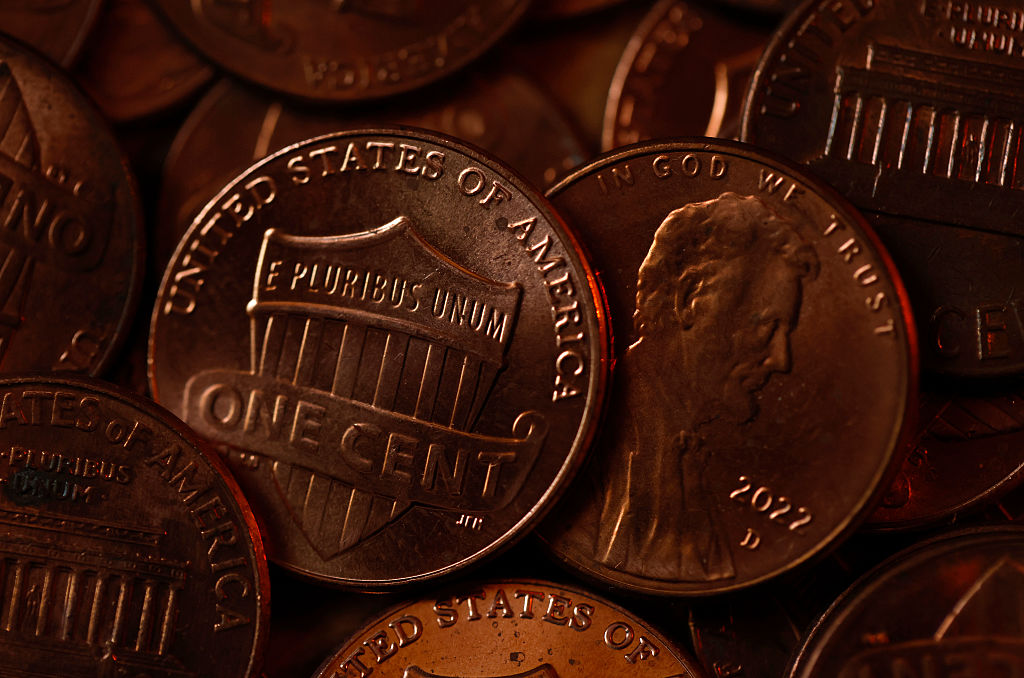
Treasury Secretary Scott Bessent brought an end to more than two centuries of U.S. penny production on Wednesday, striking the final five one-cent coins—each marked with a rare omega symbol.
According to FOX Business, the historic moment instantly turned the copper-colored pieces into high-value collectibles that some estimate could command millions at auction.
The penny, first authorized under the Coinage Act of 1792, fell victim to its own rising costs. Over the past decade, the Mint has watched the price of producing the coin climb to nearly four cents per unit—quadruple its face value. That imbalance ultimately sealed its fate.
Estimates reported by USA Today placed the value of the final ceremonial pennies between $2 million and $5 million. But not everyone in the numismatic world buys those projections.
Richard Weaver, a Philadelphia-area coin expert and owner of the Delaware Valley Rare Coin Company, told phillymag.com that a single photo may end up undercutting the hype. In the image, U.S. Treasurer Brandon Beech is seen holding one of the coins between his fingers.
“If you look at that photo, he is holding the penny with his fingers on the coin,” Weaver said. “You just don’t do that. Copper is very reactive to sweat and the oils of the skin, and any serious collector is going to take this photo into consideration.”
Weaver noted that coins intentionally created as rare items often fail to command the sky-high prices some expect.
“You see, they were made for this purpose,” he said. “They were made to be rare. When you see people paying in the millions for coins, they are paying for coins that are 100 or 200 years old, of which only a handful are known to exist and that have survived for so many years without anyone making them for that purpose in 1933 or 1794.”