



Rio Grande Faces Crisis: Half its Water Use is Unsustainable, Threatening Millions
The Rio Grande, or Rio Bravo in Mexico, one of North America’s longest and most historic rivers, is in crisis, according to a new study released Thursday. According to The Associated Press , once a lifeline for…
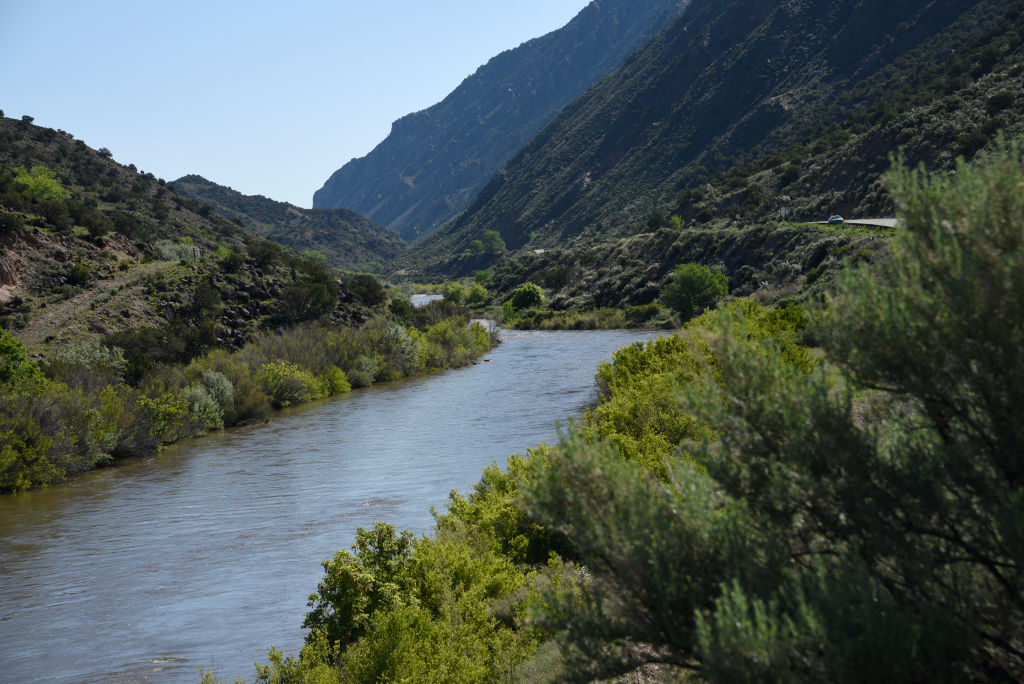
The Rio Grande, or Rio Bravo in Mexico, one of North America’s longest and most historic rivers, is in crisis, according to a new study released Thursday.
According to The Associated Press, once a lifeline for indigenous communities and a key artery for Spanish conquistadors, the river now faces severe shortages that could have catastrophic consequences for both people and ecosystems.
Research from the World Wildlife Fund, Sustainable Waters, and university collaborators shows that only 48% of water consumed in the Rio Grande-Bravo basin is naturally replenished. The remaining 52% comes from overdrawn reservoirs, aquifers, and the river itself.
“That’s a pretty daunting, challenging reality when half of our water isn’t necessarily going to be reliable for the future,” said Brian Richter, president of Sustainable Waters and senior fellow with the WWF. “So we have to really address that.”
The basin provides drinking water for 15 million people in the U.S. and Mexico and irrigates nearly 2 million acres of cropland. Irrigation accounts for 87% of direct Water use, while evaporation and other losses make up more than half of overall consumption.
The result: many stretches of the river now run Dry for months at a time, with areas like Big Bend, Texas, and parts of Albuquerque experiencing cracked riverbeds in recent years.