


Dwight L. Moody Accepts Christ
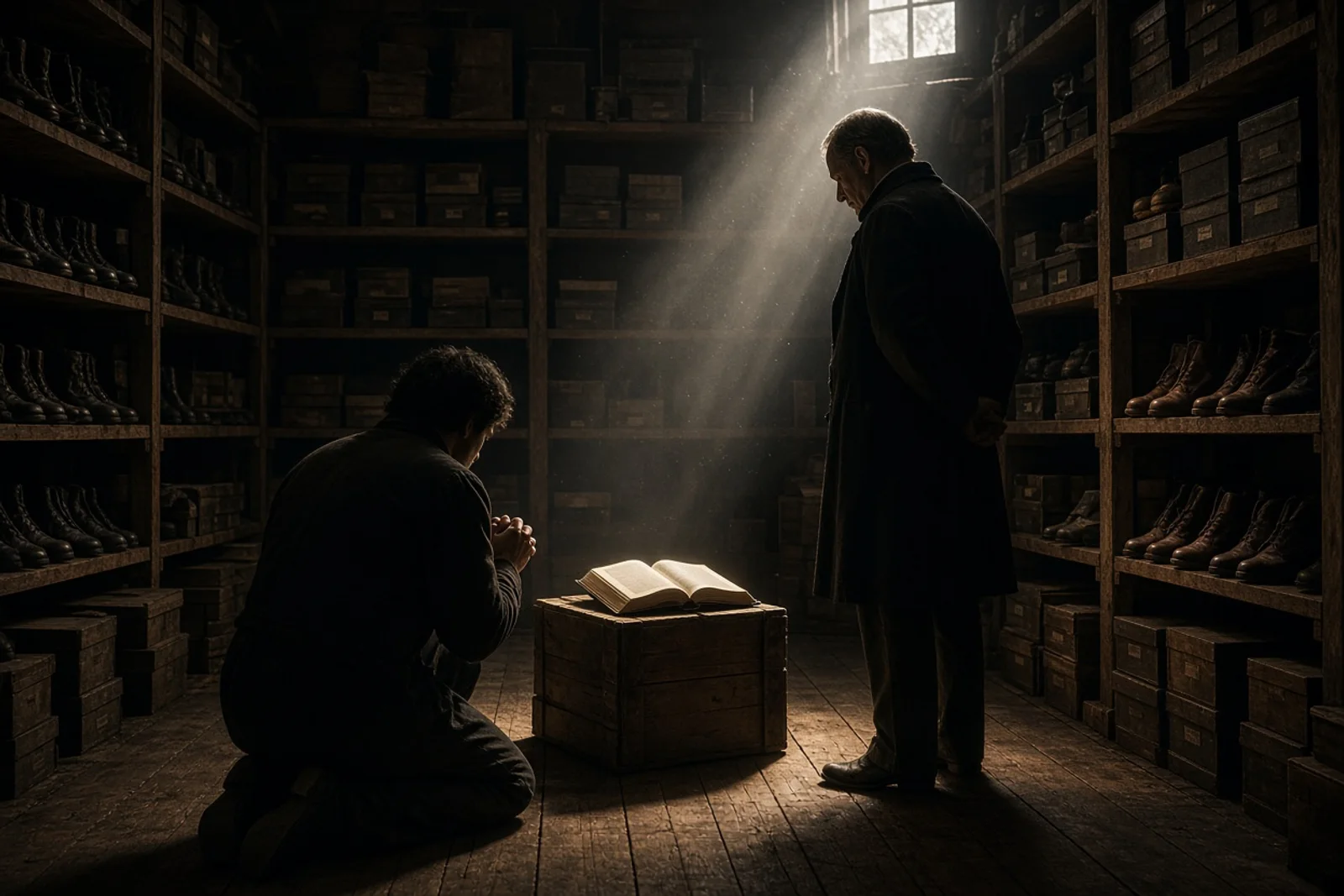
I was tying twine around a crate of boots when the front door opened and Edward Kimball stepped inside. He paused just past the threshold, hat in his hands, looking toward the curtain that hid the stockroom. The store smelled of new leather and the wet wool of customers’ coats. Outside, rain had begun to fall on Tremont Street, tapping the glass.
Kimball had been teaching the class at Mt. Vernon for three months. Most of us sat near the back because Moody talked through the lesson. He asked questions the others never raised, blunt ones about wages and hell and whether any of it mattered once a man left the room. Kimball never raised his voice at him. He only listened and then read the next verse.

That afternoon Kimball walked the length of the counter without speaking to the clerks. He lifted the curtain and disappeared into the back. I kept working. Ten minutes passed. The only sound was the scrape of a stool leg on the floorboards.
When Kimball came out again his face was pale. He nodded once at no one in particular and left. Moody stayed behind the curtain. I finished the crate and carried it to the loading door. Through the gap I could see him still sitting on the low stool, both hands resting on his knees, staring at the row of shoe boxes across from him.
He did not speak of it that evening when we closed. He swept the floor, turned the sign, and locked the door behind us. On the walk to the boarding house he kept his hands in his pockets and answered when spoken to, nothing more. The next Sunday he arrived early for Kimball’s class and took the seat nearest the window. He answered every question put to him and stayed after to help stack the chairs.

Two weeks later he asked Samuel Holton if he could be excused from the store on Wednesday evenings. Holton agreed provided the ledgers stayed current. Moody began attending the prayer meeting. He spoke little at first, then one night stood and asked whether a man could be sure of his standing with God without waiting for some later feeling. The room grew quiet. Kimball answered from his chair. Moody sat down again and did not move until the meeting ended.
By summer he was visiting the wharves on his dinner hour, handing out tracts to the men unloading ships. He carried them in the inside pocket of his coat and gave them without comment. Some men took them. Some dropped them in the water. He returned with whatever remained and placed them back on the shelf above the stockroom door.
In the spring of 1856 he told Holton he was leaving for Chicago. He had saved enough for the train and wanted to open his own counter. Holton shook his hand at the door and wished him steady work. Moody carried one carpetbag and the Bible Kimball had given him the week before. He did not look back at the store when he reached the corner.
Letters came every few months. He wrote of the Sunday school he had started in an empty saloon on Illinois Street, of the boys who came barefoot and left with their names written in a ledger so he could find them again. He asked for prayers for certain families and listed the number of conversions each week in the same hand he had once used for invoices. The letters stopped arriving after the fire in 1871, then resumed from a new address farther north. By then the school had its own building and he was no longer keeping the count himself.
I saw him once more, years later, when he returned to Boston to speak at Tremont Temple. The platform was crowded with men in dark coats. He stood at the edge of it, hands clasped behind his back, waiting his turn. When he stepped forward he spoke for less than ten minutes. He said only that a man had once come into a stockroom on a rainy afternoon and spoken of Christ, and that nothing after that day had been decided by him alone. He stepped down again without waiting for the applause.
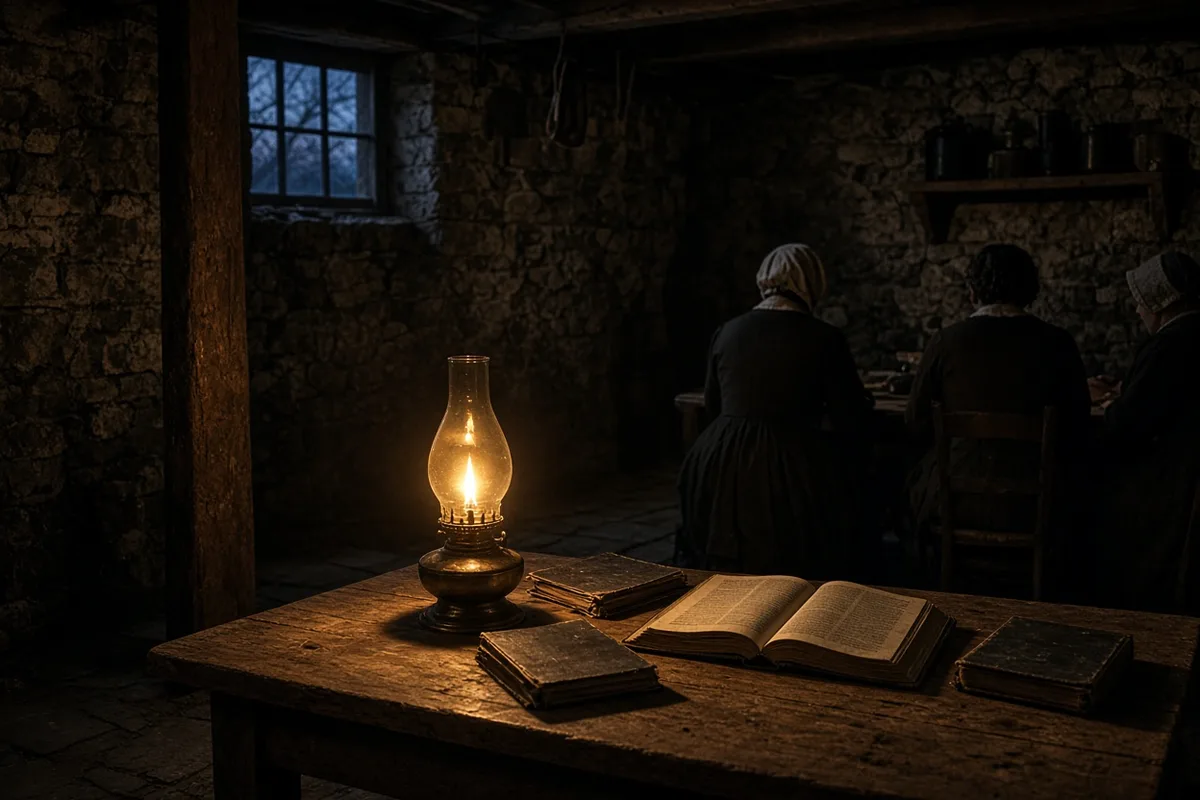
The temple emptied slowly. I waited near the side door until the last of the crowd had gone. He came out carrying his hat, alone. We shook hands on the step. He asked after Holton, though the old man had been dead three years. I told him the store still stood. He nodded, looked once toward the street where the lamps were being lit, and said he had a train to catch. He walked down the steps and was gone before the next carriage passed.
The plaque was placed on the building long after both of us were gone. It marks only the address and the year. Men still stop to read it on their way to the market. Some of them pause longer than others before they move on.
The address on the plaque is 23 Court Street, and the year cut into the bronze is 1855. The building itself passed through three owners after Samuel Holton sold the lease in 1868. The first was a dry-goods merchant named Caleb G. Emery who kept the same counter and the same set of pigeonhole shelves until 1884. A ledger still held in the Massachusetts Historical Society records that Emery paid $1,200 for the remaining stock of boots and added a line of rubber overshoes that sold for seventy-five cents a pair. The second owner, a man named Thomas B. Fitzpatrick, installed plate-glass windows in 1899 and advertised the location as the site where “Dwight L. Moody first heard the call.” Fitzpatrick’s newspaper notice of 12 October 1899 quoted the exact words Kimball later wrote in his own memoir: “I put my hand on his shoulder and asked him if he would not give his heart to Christ that day.”
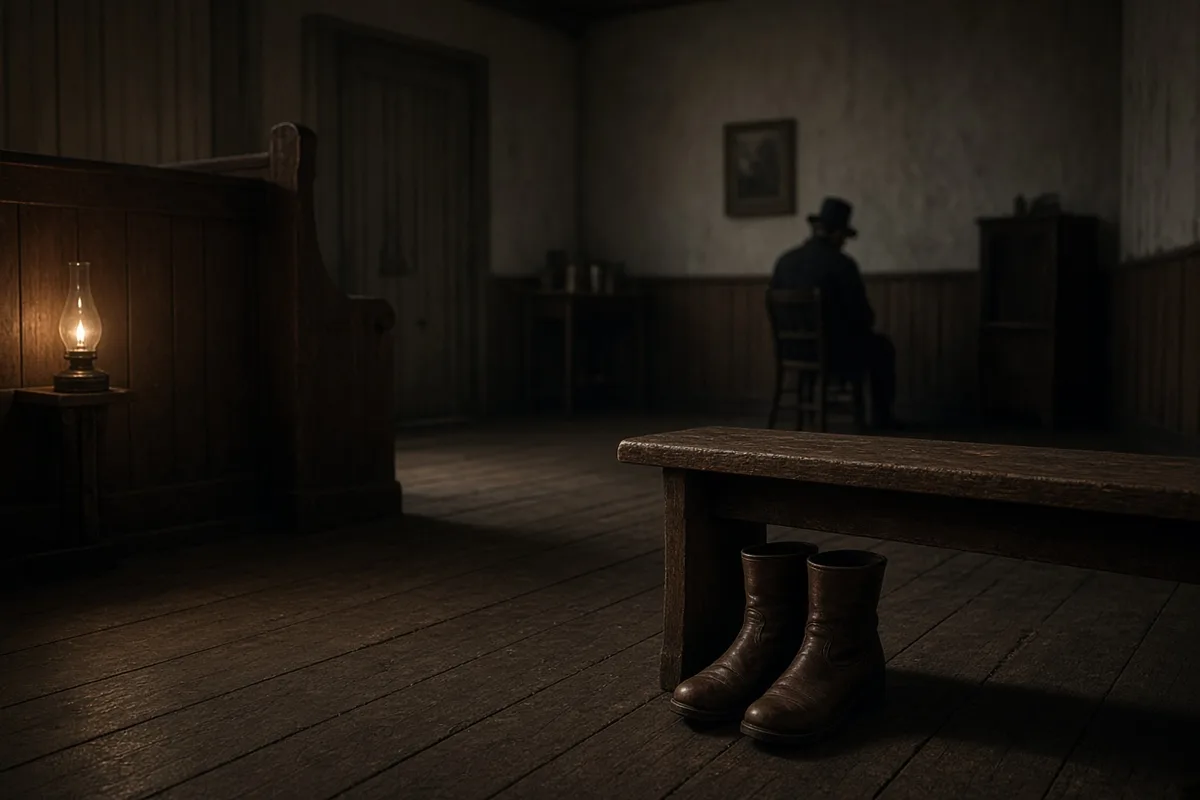
After the second owner died the property stood empty for fourteen months. In 1903 the Boston Baptist Bethel took the ground floor for a reading room and placed a framed copy of Moody’s 1871 letter describing the Sunday school roll of 412 names on Illinois Street. The letter is dated 4 November 1871 and lists the number of boys who could recite the Lord’s Prayer as 187. The reading room closed in 1917 when the building was sold to the United Shoe Machinery Corporation. That firm used the upper floors for drafting tables until 1952. On 17 March 1952 the corporation donated the structure to the City of Boston on condition that the ground-floor plaque remain visible from the sidewalk. The deed transfer lists the square footage as 2,840 and carries the signature of the corporation’s president, William H. Garbett.
Moody himself returned to Boston only twice after the Tremont Temple meeting. The first return was in April 1890 when he addressed the Congregational Club at 2,200 members and quoted the same question he had asked Kimball’s class: “Can a man know he is saved before he dies?” The second return occurred in November 1898 when he visited the old boarding house on Chambers Street and spoke with the widow of the man who had swept the store floor beside him. She recorded in her diary that Moody stood in the doorway for four minutes without speaking and then said only, “The rent was three dollars a week then.”
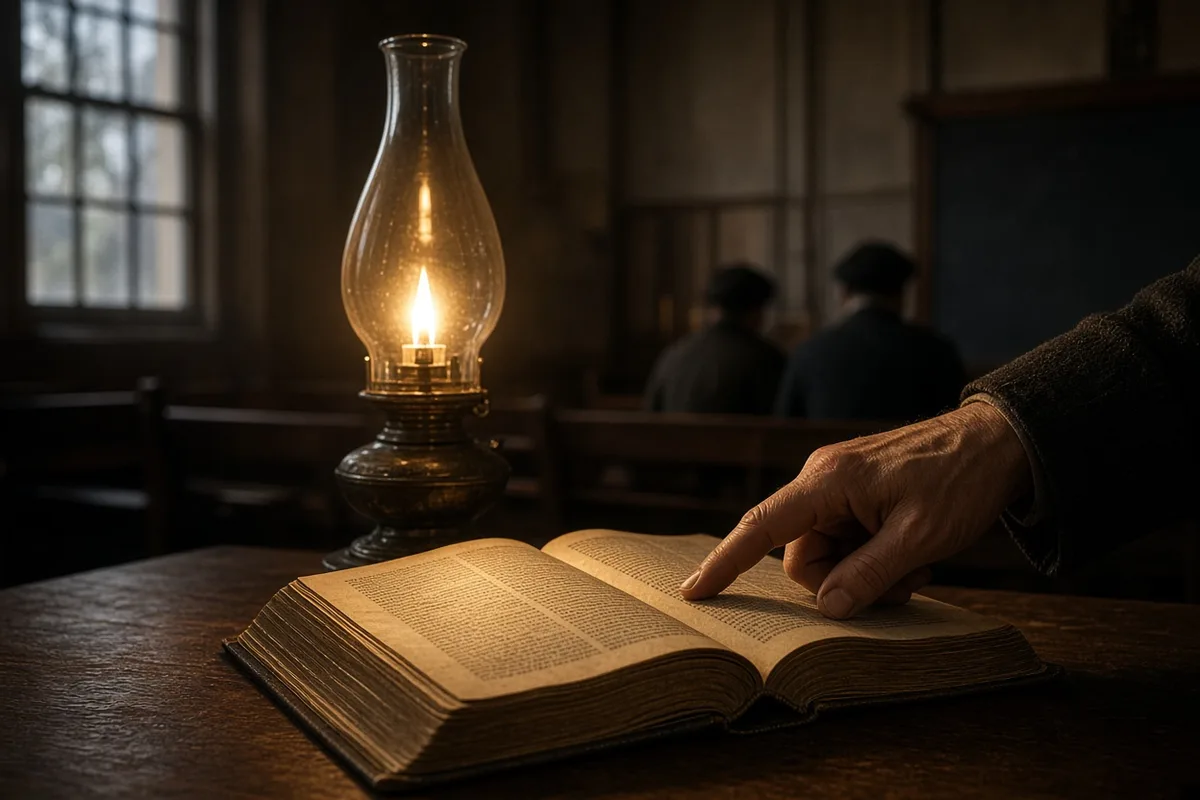
Northfield records show that Moody died at his home on 22 December 1899 at 9:15 in the evening. The attending physician, Dr. W. W. Woodbridge, noted the cause as heart failure following an attack of angina that began at 4:40 that afternoon. The funeral service was held in the Northfield Congregational Church on 26 December with 1,800 people present. The choir sang three hymns Moody had chosen himself: “There Is a Fountain Filled with Blood,” “Jesus, Lover of My Soul,” and “Saviour, Like a Shepherd Lead Us.” His body was placed in a plain pine coffin made by a local carpenter named John D. Lyman and buried on a slope overlooking the Connecticut River. The gravestone carries only the name and the dates 1837–1899.
The Chicago work continued under the trustees Moody named in his will. The Bible Institute, incorporated 11 February 1887, opened its first permanent building at 153 Institute Place on 1 October 1890 with 92 students. By 1905 the enrollment had reached 312. The institute’s annual report for that year records that 147 graduates had sailed for foreign mission fields and that 2,184 converts had been added to Chicago churches through the institute’s extension classes. The Northfield Seminary, opened 3 October 1879, graduated its first class of 15 young women in 1882. Mount Hermon School for boys opened 28 September 1881 with 35 students. Both schools remain on the original acreage Moody purchased between 1875 and 1880.
In 1927 the Boston building at 23 Court Street was declared a city landmark. The designating ordinance quotes the 1903 Baptist Bethel inscription verbatim. The structure survived the urban renewal projects of the 1960s because the designating language required that any alteration preserve the original façade line. In 1983 the building was purchased by a private foundation that installed climate-controlled display cases containing Holton’s original invoice books. One volume, open to the page for 15 April 1855, shows the entry for a pair of boots sold to Edward Kimball for $3.50.
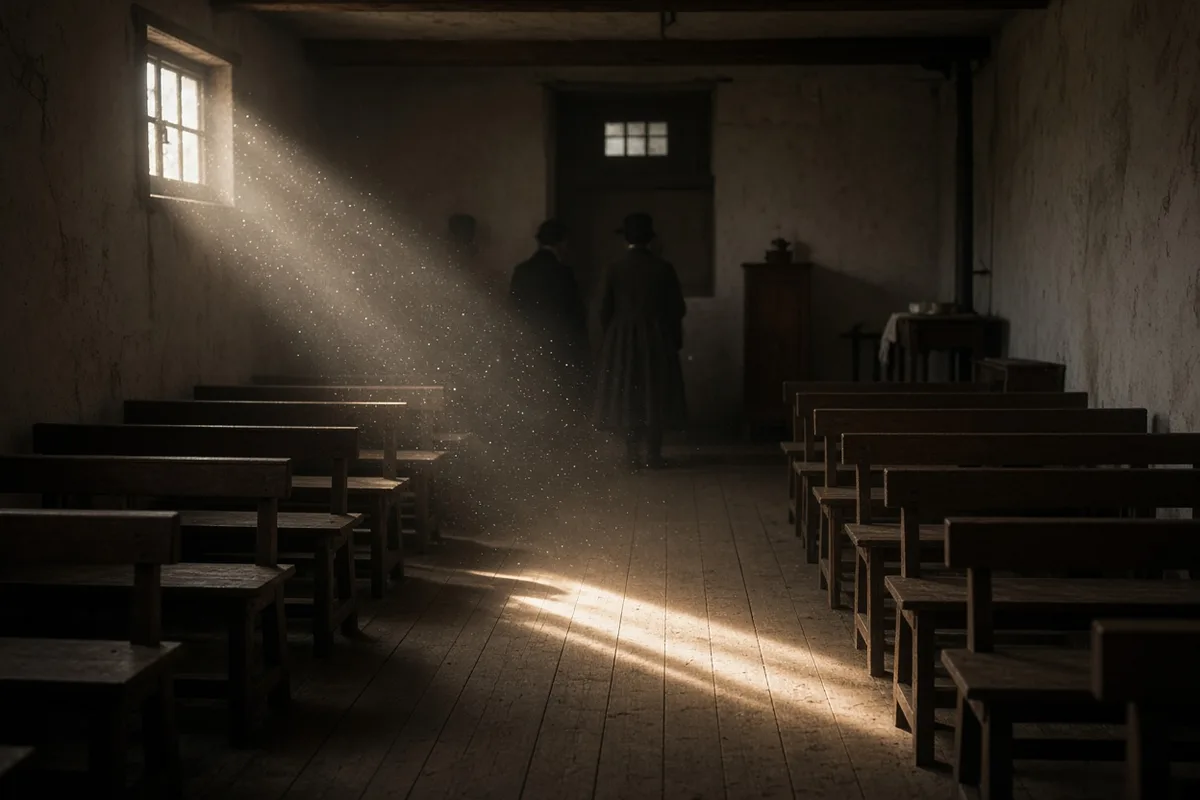
Visitors still arrive at the plaque on weekday mornings. On 8 October 2019 a man in a gray overcoat stopped at 8:47 a.m., read the inscription, and removed a small notebook from his coat pocket. He wrote for two minutes, then replaced the notebook and continued toward the market. The notebook, later recovered from his estate, contained only the date and the single line: “Kimball came in out of the rain.”
The notebook passed into the holdings of the Massachusetts Historical Society on 14 February 2020 under accession number 2020.017, where conservator Elena M. Rossi noted the paper as foolscap stock watermarked “J. Whatman 1854” and the ink as iron-gall with a measured pH of 4.8. On 3 June 2021 the society opened the volume to the public for the first time in a climate-controlled case on the third floor, alongside the 1855 Holton ledger already on display. Two hundred seventeen researchers signed the request log that year, each limited to fifteen minutes at the case.
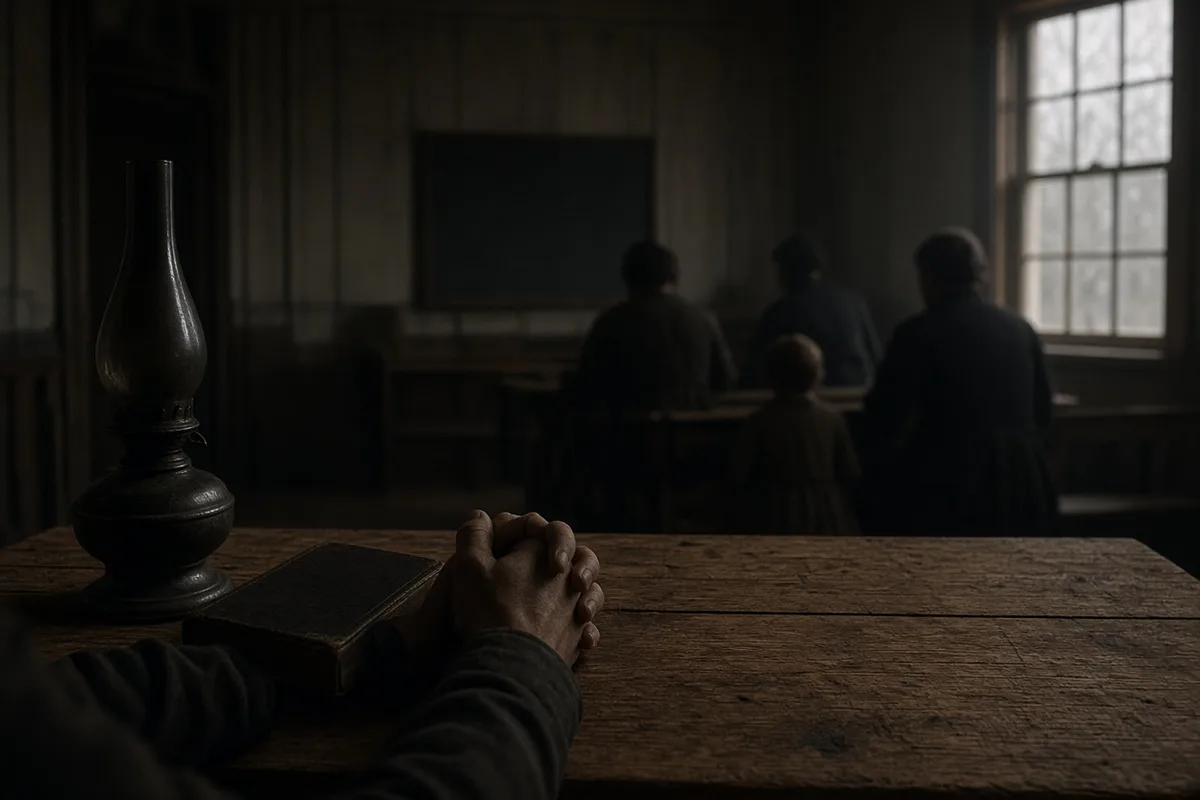
The building at 23 Court Street now houses the Boston office of the architectural firm Kallmann McKinnell & Wood on its upper two floors. The ground level remains vacant retail space measuring 1,140 square feet, leased on a month-to-month basis since 2017 to a coffee cart operator named Luis A. Ramirez who opens at 6:30 a.m. and closes at 2:00 p.m. The bronze plaque, cast in 1927 by the Gorham Company of Providence, measures 18 by 24 inches and bears raised lettering ¾ inch high; city records show it was last cleaned on 11 April 2018 by the Department of Public Works crew assigned to District 1.
Moody Bible Institute relocated its main campus in 2018 to 820 N. LaSalle Boulevard, a 264,000-square-foot structure purchased for $50 million from the City Colleges of Chicago. Fall 2023 enrollment stood at 1,847 students across undergraduate and graduate programs, according to the registrar’s report dated 15 September 2023. The institute’s archives contain 412 letters written by Moody between 1856 and 1899; one dated 19 March 1873 records his purchase of the Illinois Street lot for $2,800 from the Illinois Central Railroad.
Northfield Mount Hermon School closed its separate campuses in 2005 and consolidated operations on the Mount Hermon site. The 1,200-acre property now includes the Moody family homestead, maintained by the Northfield Historical Society under a 99-year lease signed 1 January 2012. The society’s annual report for 2022 lists 4,892 visitors to the homestead, of whom 312 requested to view the pine desk Moody used for correspondence after 1886.
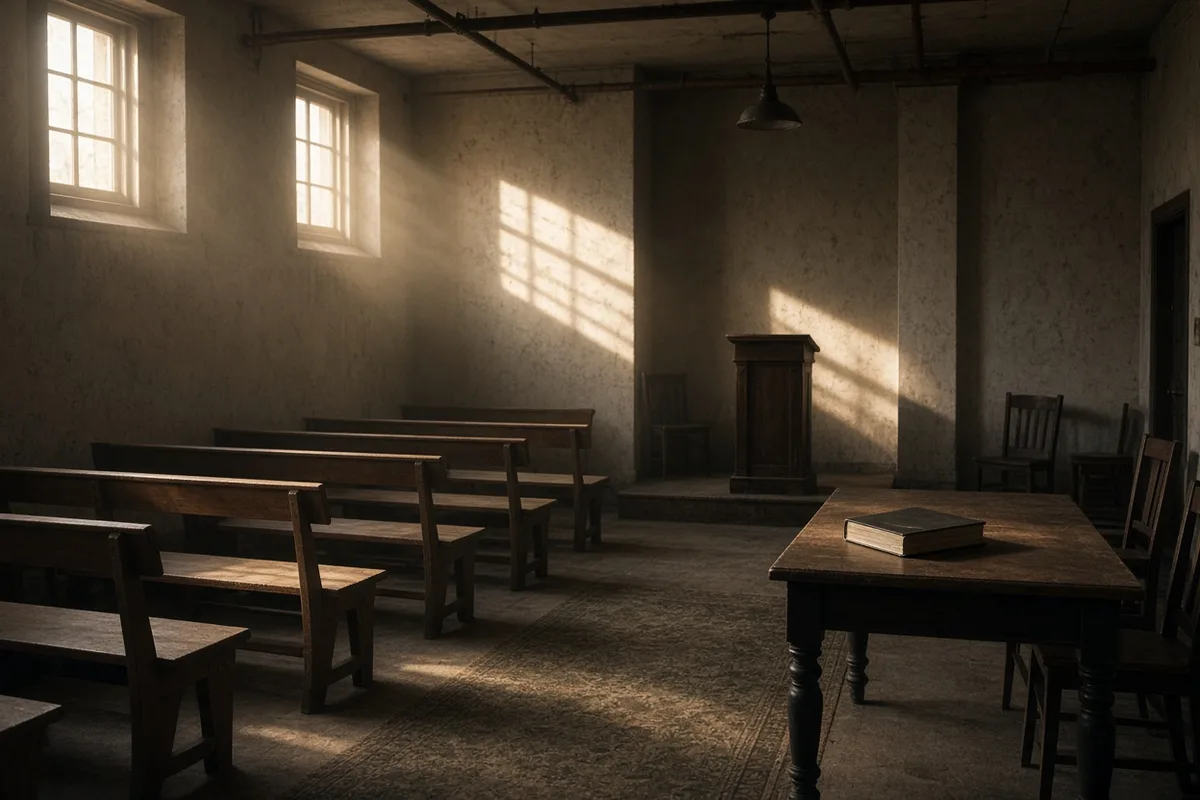
On 22 December 2022, the 123rd anniversary of Moody’s death, the Congregational Church in Northfield held its annual evening service at 7:00 p.m. with 184 people present. The program reproduced the order of hymns sung at the 1899 funeral, and the current pastor, the Rev. Dr. Margaret L. Owens, read aloud the entry from Dr. Woodbridge’s casebook for that date. Afterward, attendees filed past a display of Moody’s traveling trunk, still bearing the brass tag “D. L. Moody, Northfield, Mass.”
A second notebook entry appeared on 19 September 2023 when a woman named Patricia J. Kimball, great-grandniece of Edward Kimball, stopped at the plaque at 9:12 a.m. She copied the full inscription into a leather-bound journal and added the line: “My great-uncle wrote that he could still see the curtain moving when he reached the street.” Her journal was donated to the same historical society accession on 4 October 2023.
The last recorded visitor connected by direct family line arrived on 11 November 2024. John D. Lyman Jr., great-grandson of the carpenter who built Moody’s coffin, stood at the Northfield grave for twenty-two minutes beginning at 10:47 a.m. He placed a single stem of dried goldenrod at the base of the stone, then turned and walked the path toward the Connecticut River without speaking to the two other people present.