



FDA approves drug reported to double survival for late pancreatic cancer
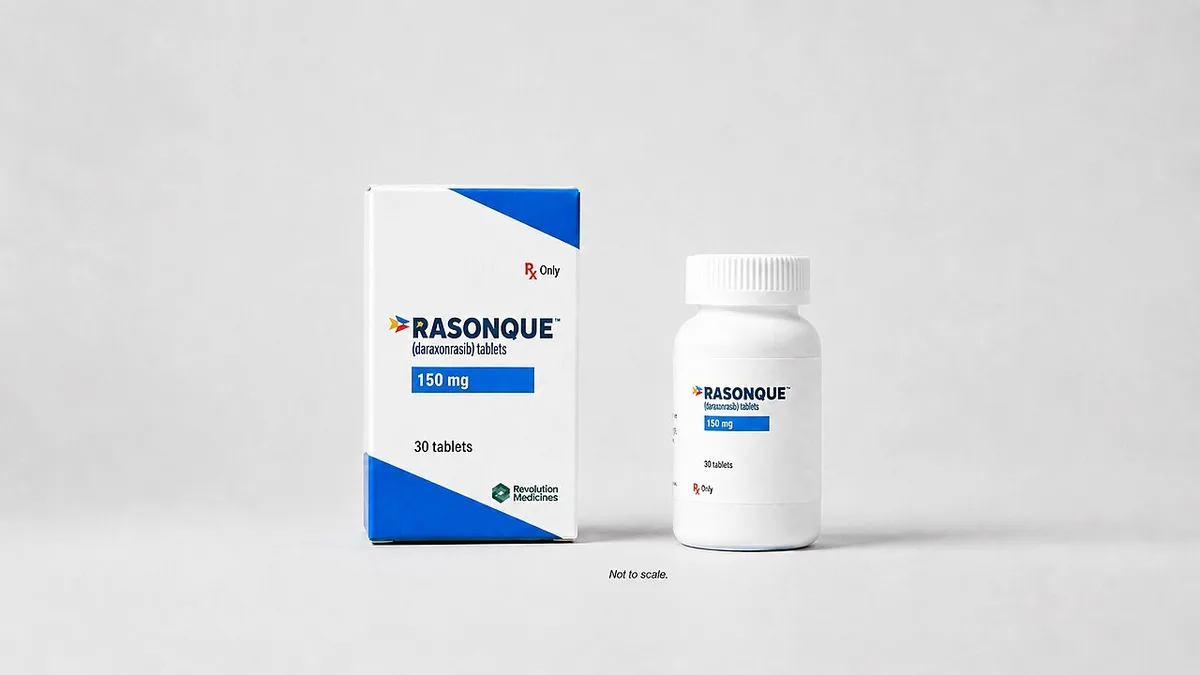
At the American Society of Clinical Oncology meeting in Chicago in May, doctors and researchers stood and applauded as results from a phase 3 trial were presented, some with tears in their eyes. Pancreatic cancer has long carried a low chance of long-term survival, with only three percent of patients living five years after diagnosis, and standard chemotherapy often provides limited time once the disease returns. In the trial led by Dr. Brian Wolpin of the Dana-Farber Cancer Institute, patients who had already received chemotherapy and whose cancer progressed saw their median survival time rise from seven months to more than thirteen months when they took the twice-daily pill daraxonrasib. The Food and Drug Administration reviewed the data and granted approval for use after chemotherapy in just thirty-five days, clearing the way for the drug made by Revolution Medicine to reach patients whose insurance largely covers the cost. The medication works by blocking the KRAS protein that many pancreatic tumors depend on to grow, an approach that had been considered difficult for years because of the protein's shape until researchers found a way to assemble other molecules around it. One man in his seventies who joined the trial in 2022 had cancer that had reached his lymph nodes; after taking the pill his tumors shrank until they no longer appeared on scans, and he remains alive today. The same KRAS target appears in other cancers such as colon and lung tumors, and the success of daraxonrasib has encouraged dozens of similar medicines now moving through testing, some alone and others combined with chemotherapy or immunotherapy. The drug is also under study for use before chemotherapy fails, which could expand its role if early results hold.