


Gulf Deep-Sea Species Declined 60%-85% After Spill
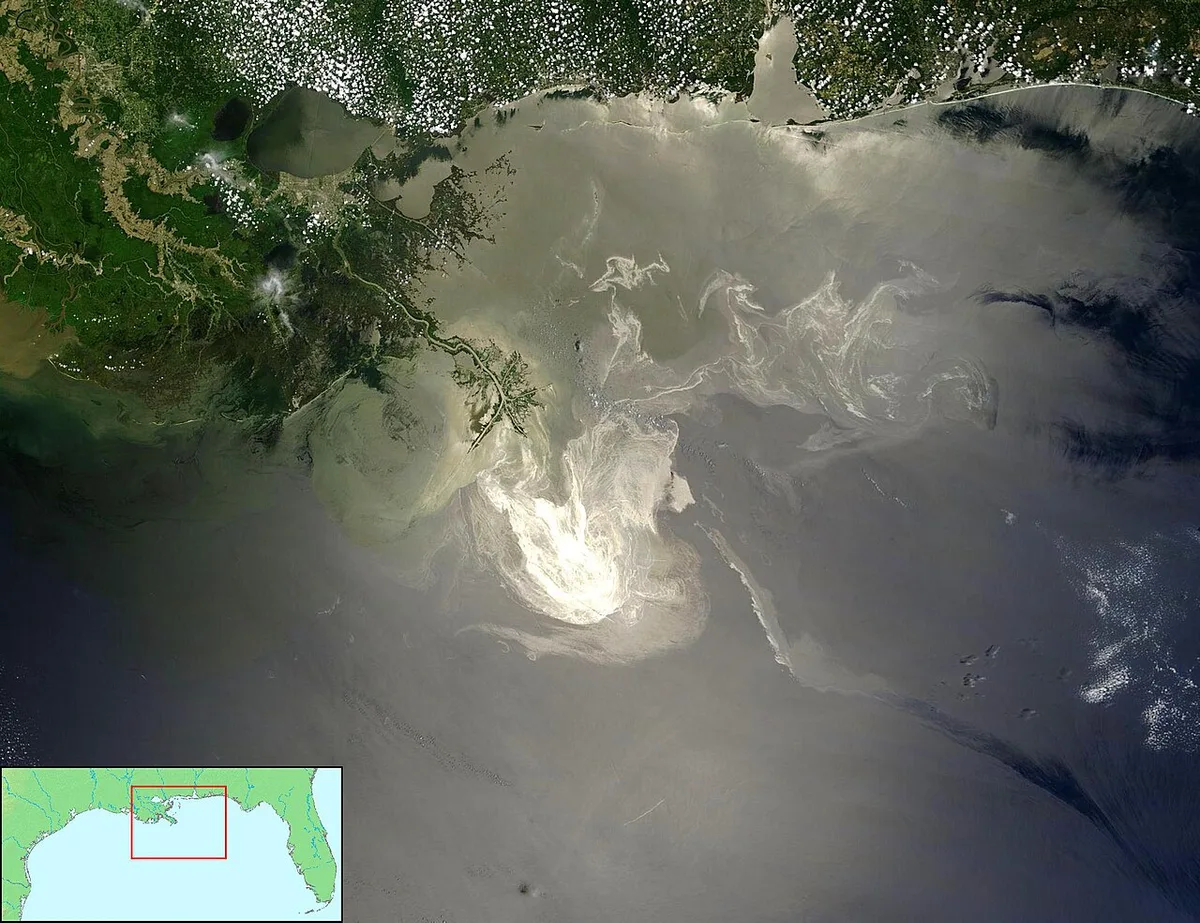
"We saw this big decline," Tracey Sutton said. "The question was then why? So we looked at all of the natural variables we thought could account for it, namely temperature, oxygen supply and food. None of those vary with the decline. The event that did was the oil spill. So we think that's the most likely cause of the decline." A PNAS study found Gulf deep-pelagic species groups declined 60% to 85% between 2011 and 2015 after the 2010 Deepwater Horizon spill. A 2011 nets-and-sonar survey returned 3.5 years later to find sea life at one-third to one-quarter of prior levels; krill fell 72% and lanternfish to a third. Sampling through 2022-2023 showed no lasting recovery. Sutton called them foundational species. The 10-institution DEEPEND team sampled 200-1,500 meters across habitat that is more than 90% of the Gulf. BP's Paul Takahashi said the accident "forever changed" the company and that it has made changes to help prevent another event. Heather Judkins said long-term monitoring is vital. Sutton could not prove exact causation but ruled out other factors; limited baseline data leave full damage hard to gauge. Contested: none identified in the record.