



Jones Beach Namesake May Have Aided Pirate Heist
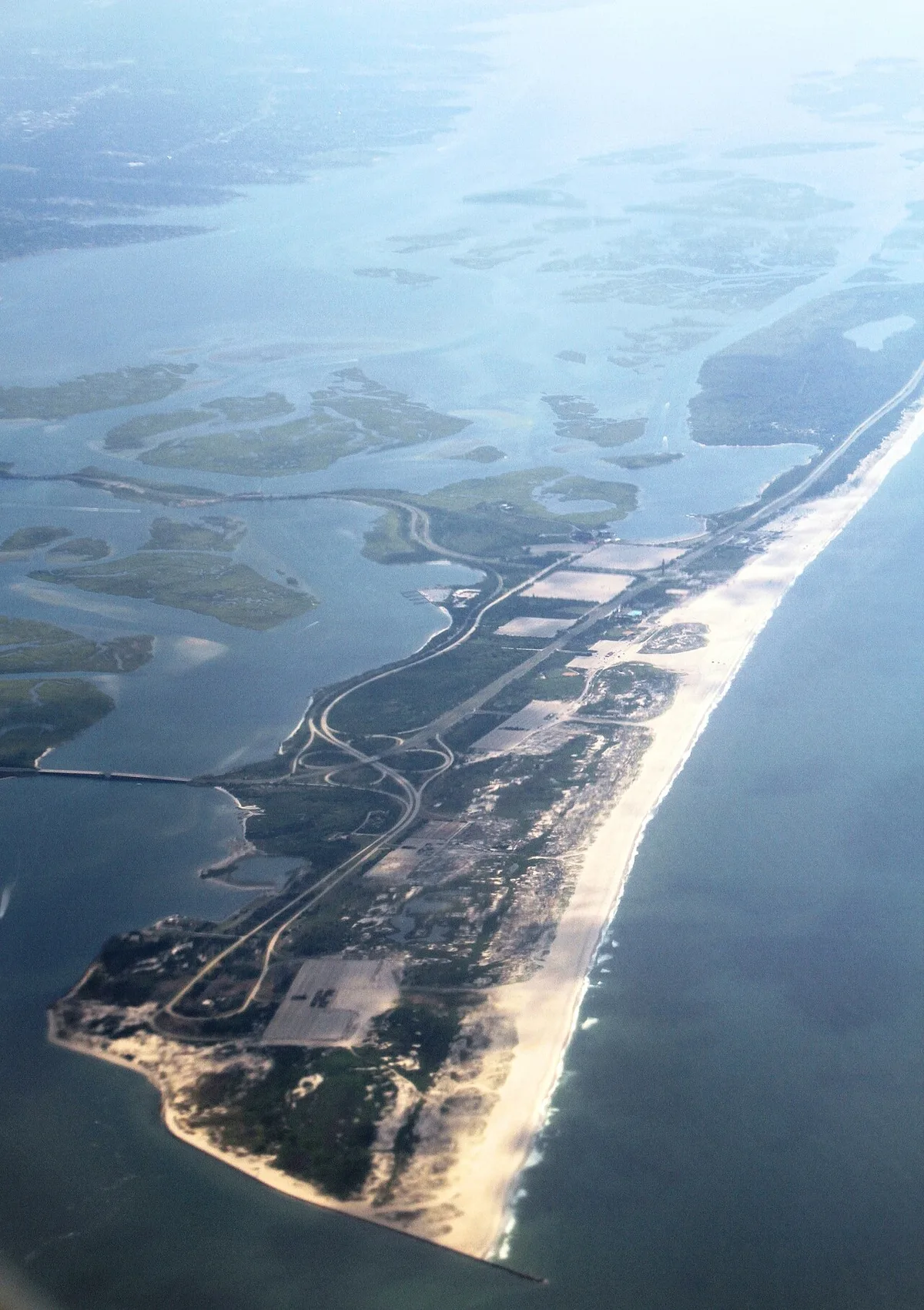
In 1695 Capt. Henry Every, called the King of the Pirates, raided the royal Indian ship Ganj-i-Sawai in the Red Sea for tens of millions of dollars worth of gold and silver. Amateur historian James Bailey says colonial-era documents indicate Thomas Jones, namesake of Jones Beach, New York’s most visited state park after Niagara Falls, served as a wheelman helping the crew evade authorities. Bailey said: "You have millions of visitors and generations of New Yorkers going to this beach. Nobody knew that he was actually a major player in arguably the biggest heist in the history of piracy." He had found Every-linked coins five years earlier. In 1698 governor Richard Coote investigated Jones, wrote of a barrel of money sent to his Long Island house, and called him formerly a pirate; Jones denied knowing about it. Jones, an English military major before emigrating, settled in Rhode Island then New York and received the south-shore land gift in 1696. Treasure hunters later desecrated his grave. CONTESTED: Bailey’s research is unpublished. Richard Blakemore says the findings are compelling but not conclusive because Thomas Jones is a fairly common name. In 1906 descendant Thomas Floyd-Jones wrote: "People were disposed to cast slurs upon his memory, either for mischievousness, or a spirit of malice. These myths were cherished for over a century after his death, which ignorance and superstition did not fail to magnify." Meagan Schulman said: "The reality was that privateers were pirates, just sponsored by a certain government or patron. So maybe the short answer is, yes. Jones can be called a pirate, by some people, but he probably did not ever see himself as one." Every’s fate remains unknown.