



Kansas farmers experiment with perennial grains to fight worsening drought
7 sourcesUpdated Sep 9, 20261 min read
Sponsored
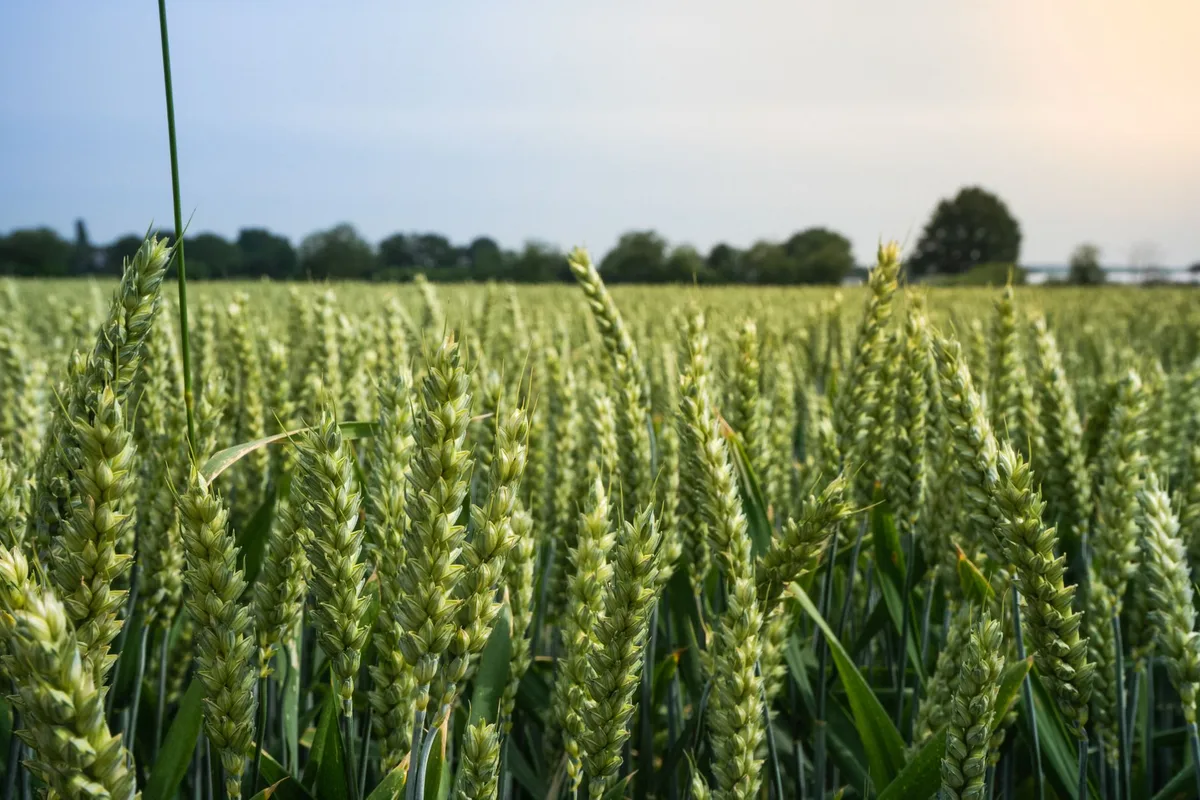
Severe drought has sharply reduced Kansas wheat yields, prompting some farmers to explore perennial grains such as Kernza as a potential defense against increasingly extreme weather. Unlike annual crops, perennial grains can remain in the ground for several years, while their deep root systems may improve access to water, reduce erosion and help capture carbon. Farmers are attracted by the possibility of lower planting and labor costs, but adoption remains limited because perennial grains generally produce smaller yields, can be difficult to harvest and lack well-established markets. Researchers are also developing perennial versions of other staple grains, including sorghum and rice, though progress has been slow.
Sponsored
Where do you stand?