



Kelvin waves from El Niño could worsen West Coast erosion and flooding
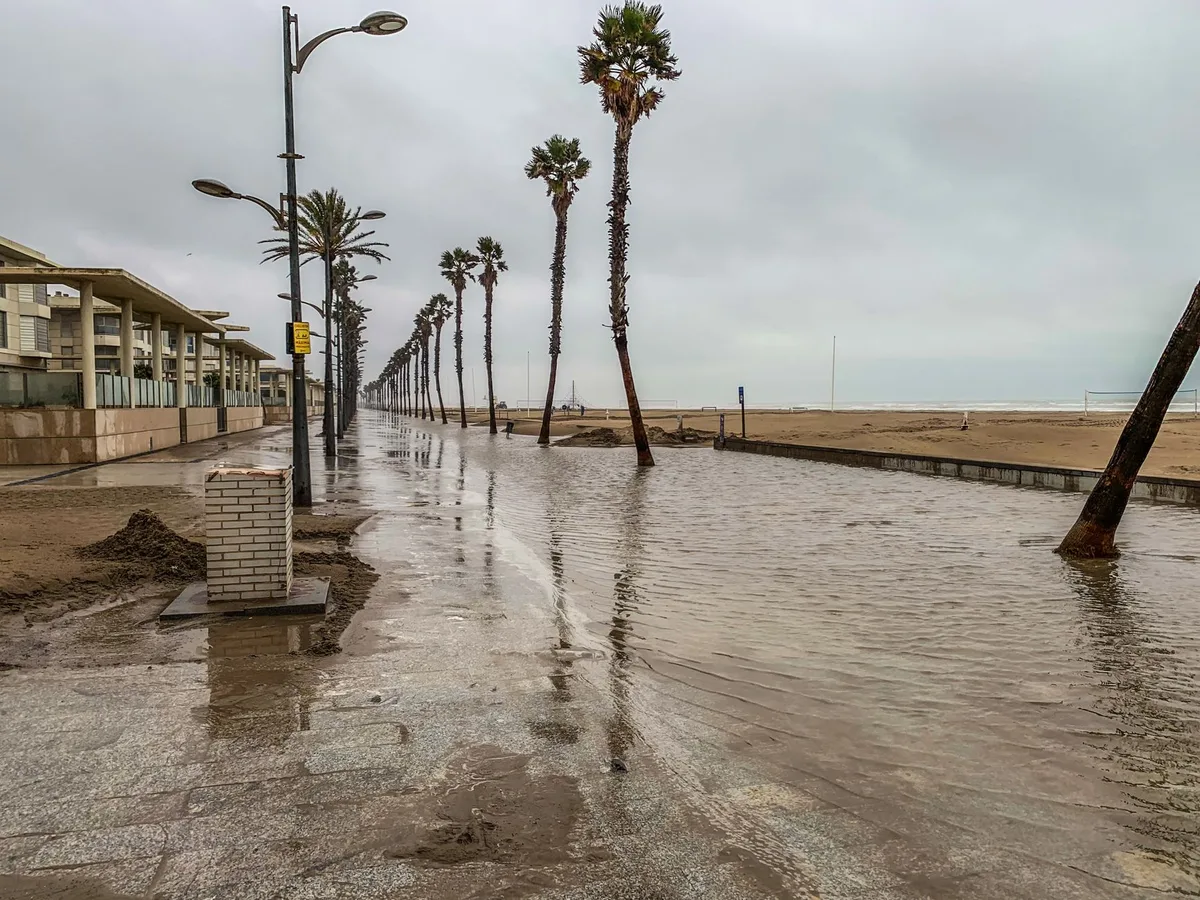
Sea levels along the West Coast are expected to rise by up to a foot this month as warm-water Kelvin waves associated with El Niño hit the shore and move north into Oregon and Washington. The 6-inch to foot-tall surge is traveling about 6 mph, or 150 miles a day; experts expect waves to keep passing from October through February. Michael Jacox of NOAA said a Kelvin wave will not flood anything on its own but raises the baseline so high tides, storms, and surges have amplified effects. Dillon Amaya called Kelvin waves a fact of life in El Niño; Sean Vitousek linked the largest past El Niños to the West Coast’s worst beach erosion on record. Alyssa Napuri said emergency sand is being placed as waves near a seaside rail line and homes were damaged in swells tied to Hurricane Marie, with forecasts of six to 12 inches higher water. Gov. Gavin Newsom’s late-September emergency proclamation is meant to speed protection and readiness. Courtney James said Washington natural resources officials are ready but have not been asked for special prep. Coverage is AP-based across center and right outlets; how severe this winter becomes remains unresolved.