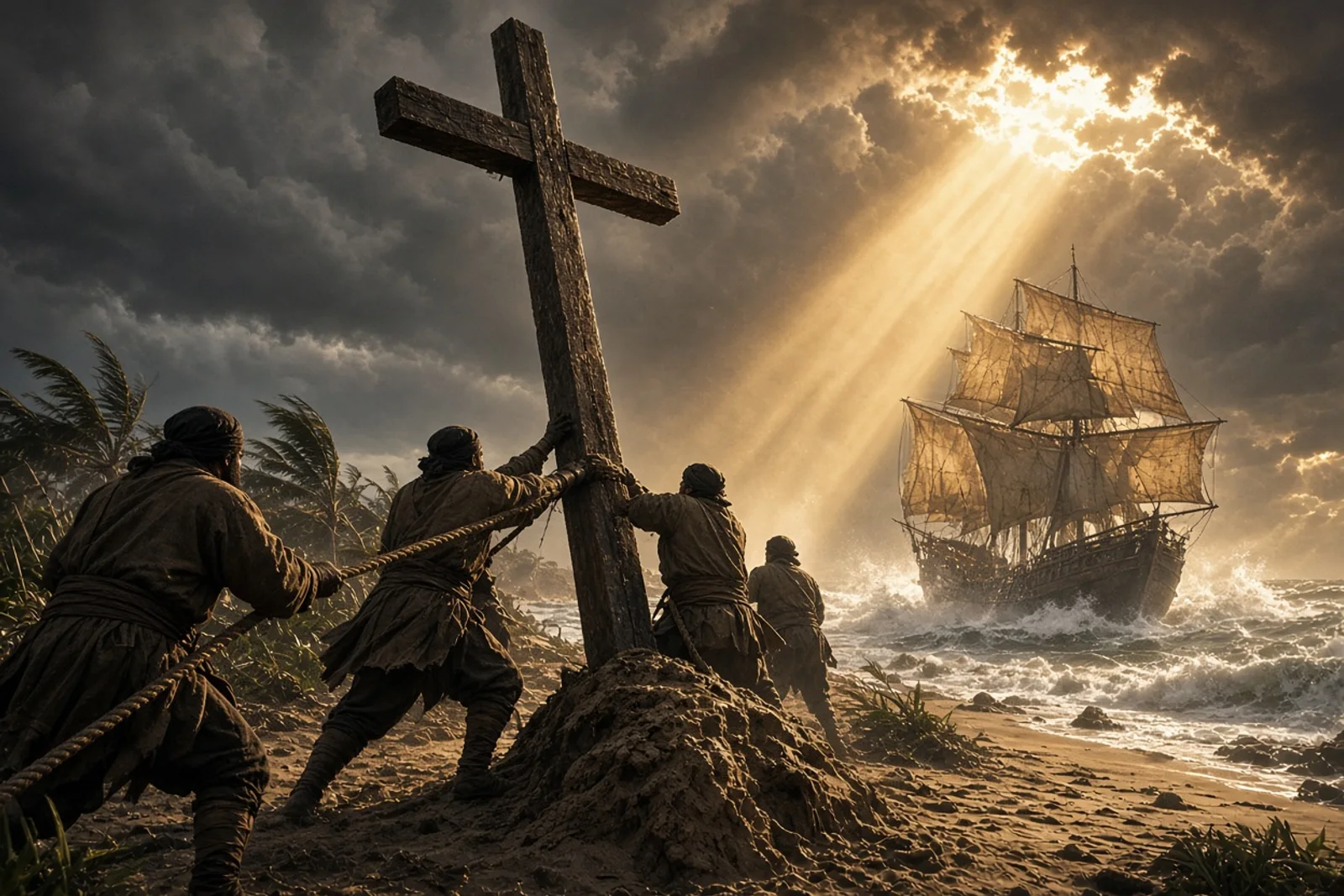



One Small Step: The Whole World Looks Up
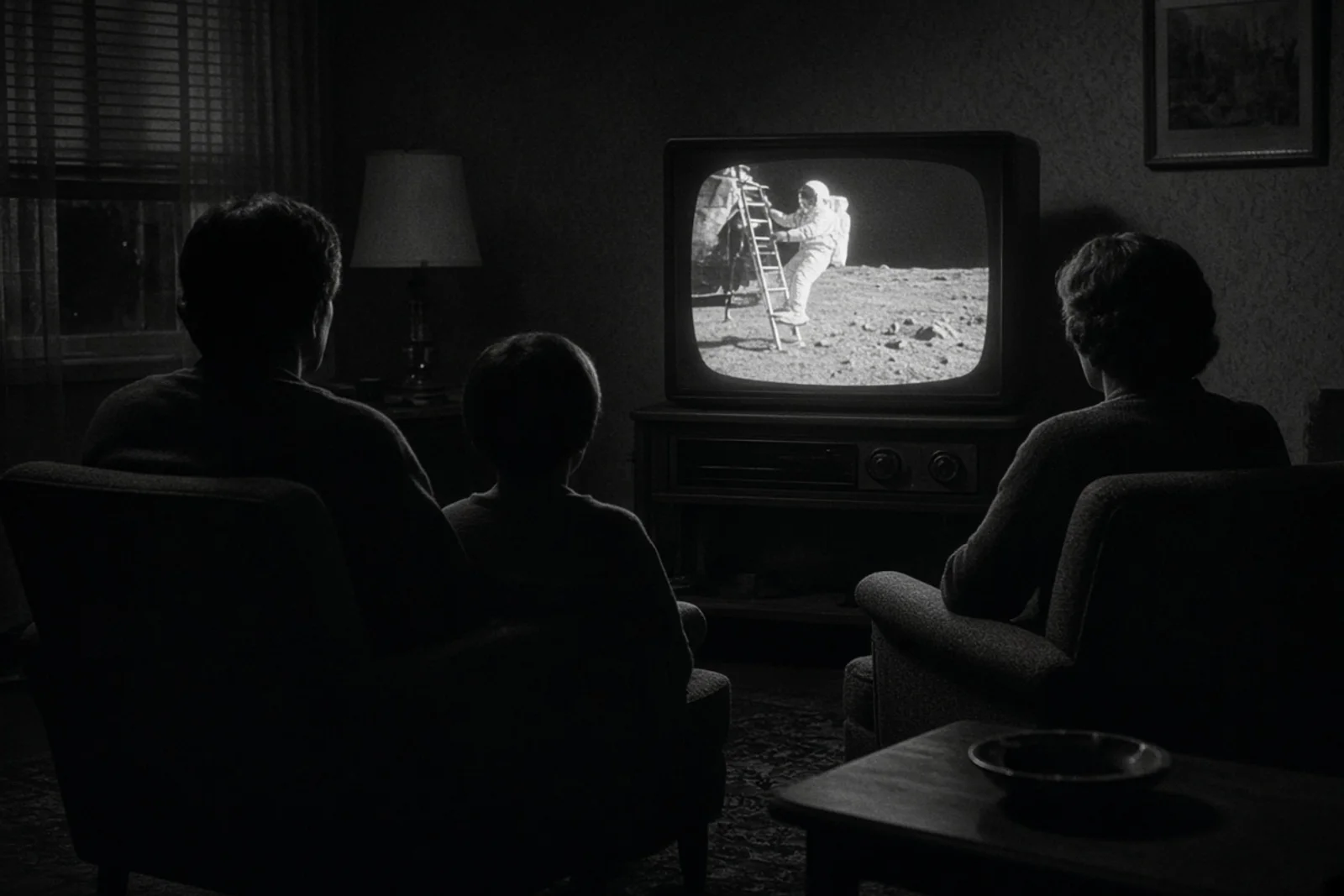
The static came first, always the static, a hiss like wind through wheat before the picture steadied on the console screen in the corner of the room. I was seventeen that July, sitting cross-legged on a neighbor's braided rug in Wapakoneta, Ohio, a town so small the streetlights went off at midnight and nobody minded. We all knew whose son was up there. Everybody in that town could point to the house on Neil Armstrong's parents' street and say, that's where he grew up, that's the yard, that's the porch. It made the whole thing feel closer than it should have, closer than a quarter-million miles has any right to feel.
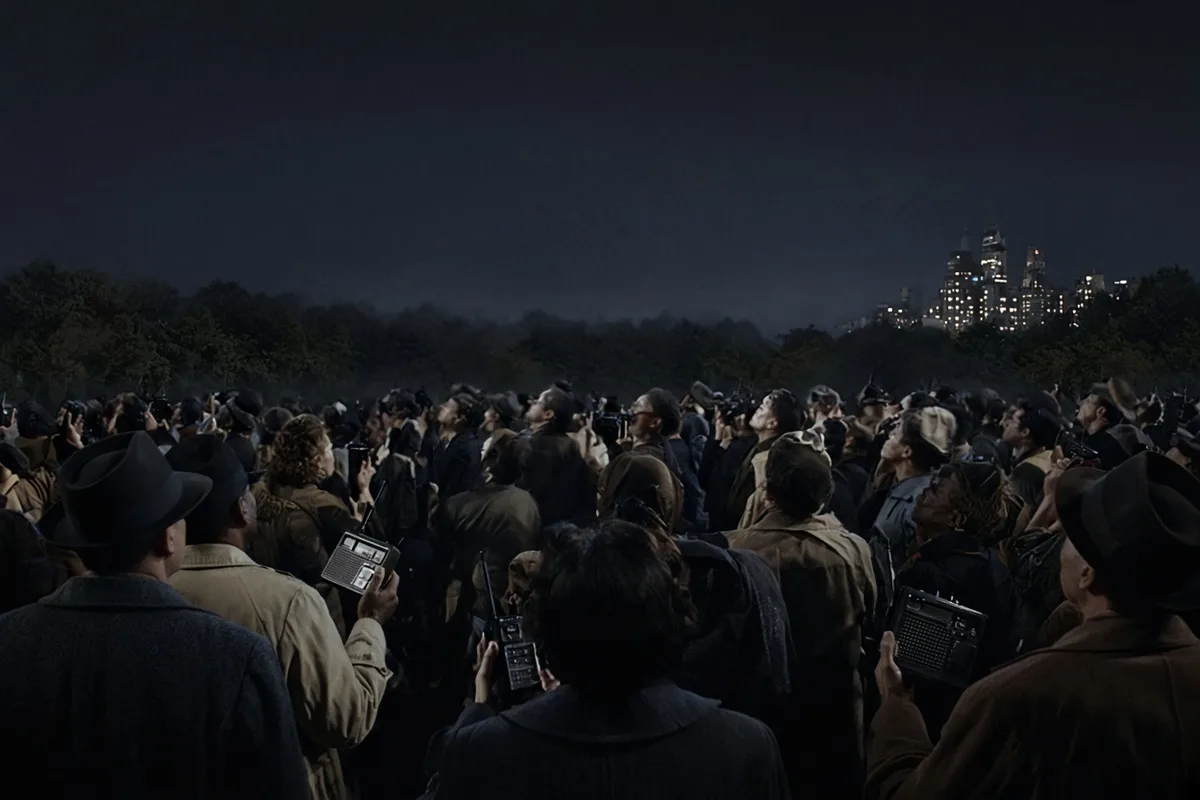
By the fifth day of the mission, the whole world had rearranged itself around a single television signal. Nearly six hundred million people, we would later learn, were watching some version of what we watched — the same grainy gray light in living rooms from Manila to Munich to our own small parlor with its rabbit-ear antenna. Six hundred million strangers, holding their breath together, and none of us knowing the others were doing it.
Aboard Apollo 11, Neil Armstrong, Buzz Aldrin, and Michael Collins had begun their fifth day in space at the end of their ninth trip around the Moon. In Houston, at the Manned Spacecraft Center, Eugene Kranz's White Team took the console, with astronaut Charles Duke serving as capsule communicator. There was something almost domestic about it, the reporters told us — a quick breakfast, the donning of pressure suits, the checklist voices going back and forth as calm as men discussing the weather. Aldrin and Armstrong began waking the lunar module Eagle from its long sleep, unfolding its legs like some patient insect stirring.
Near the end of the twelfth orbit, Duke's voice came through, giving the go-ahead to undock. It happened behind the Moon, out of radio contact, the two men trusting instruments and each other in silence none of us on Earth could share. When Eagle and Columbia came back around into view, Armstrong's voice crackled through: the Eagle has wings. Collins answered that he had a fine-looking flying machine there, despite the fact it was upside down, and Armstrong came back dry as a Kansas creek bed: somebody's upside down. I remember the room laughing, a nervous laugh, the kind that comes when you need somewhere to put the feeling that has nowhere else to go.
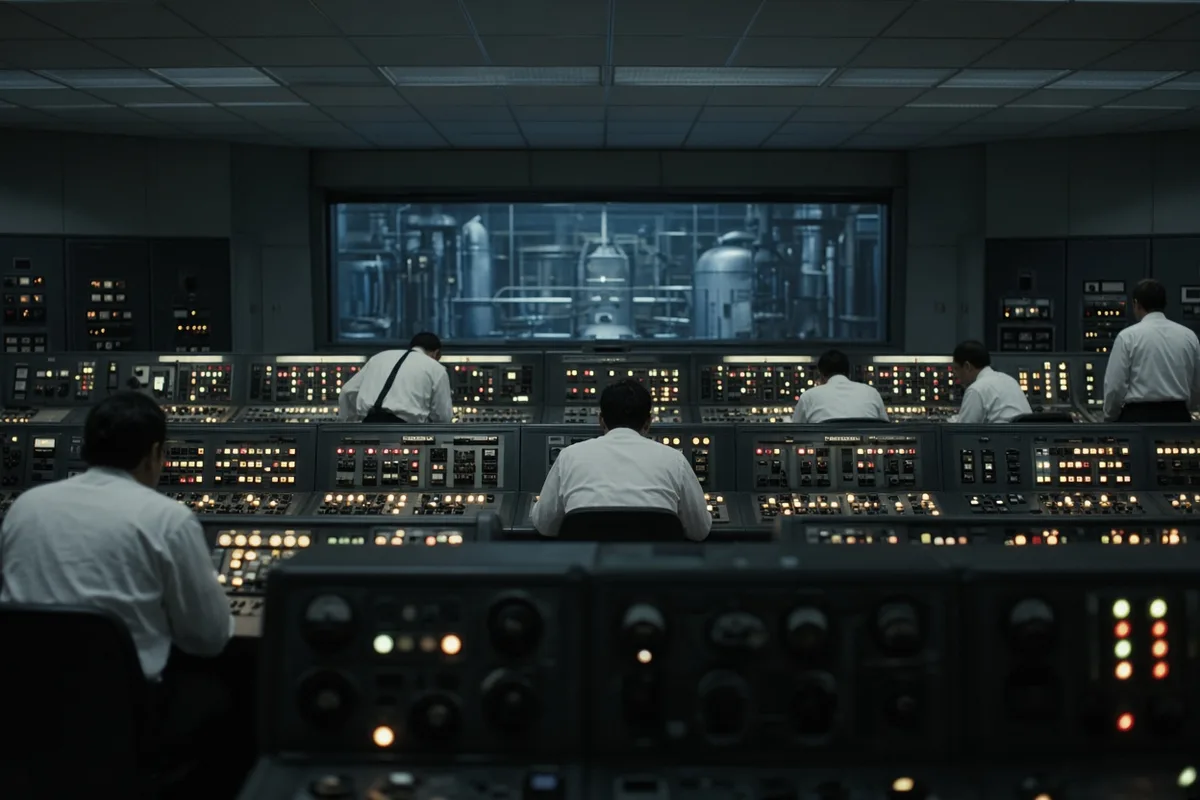
From there the minutes moved faster than the room could hold. The viewing gallery in Houston filled with agency officials and astronauts crowding in to watch history happen without them. Duke gave the go for the descent orbit insertion burn, thirty seconds of engine fire behind the Moon that dropped Eagle's low point down to fifty thousand feet. Then came Powered Descent Initiation — the real beginning, the point of no easy turning back. Eagle's antenna kept losing its lock on Earth, so for a while Houston had to talk to the lander through Collins alone in Columbia, a strange relay of voices bouncing off a man in lunar orbit.
The engine ran low, ten percent thrust for twenty-six seconds, then opened up to full. Eagle flew down engine-first, windows toward the surface, three hundred miles out from the Sea of Tranquility. Armstrong watched the landmarks slide past below him against a stopwatch in his head, and noticed they were arriving two or three seconds early — which meant, he calculated, they'd overshoot the plan by about three miles. He would turn out to be right, almost exactly.
Somewhere around forty thousand feet he tipped the spacecraft up, windows forward now, radar reading the ground rushing beneath them. And then, at thirty-three thousand feet, a tone none of them had ever heard outside a rare simulation: program alarm 1202. I didn't know what that meant sitting on that rug in Ohio, only that the man reading the wire-service bulletin on our screen said the word "alarm" and every grown-up in the room went still. It passed in seconds — cleared by men on the ground who understood the guidance computer better than its own designers, maybe — but for those seconds nobody in Wapakoneta breathed, and nobody six hundred million strong anywhere else did either.
Then Armstrong's hands took over from the automatic program, hunting past boulders the size of cars for a stretch of gray dust smooth enough to trust, fuel ticking down toward numbers the engineers had circled in red. And then the words that cracked the room wide open — the Eagle has landed — and Wapakoneta did not stay quiet after that. Someone's father whooped. Someone's mother cried into a dish towel. I remember running out onto the porch just to look up, foolishly, as if I might catch some flicker of him up there, though of course there was nothing, only the same ordinary stars that had hung over that town every July night before.
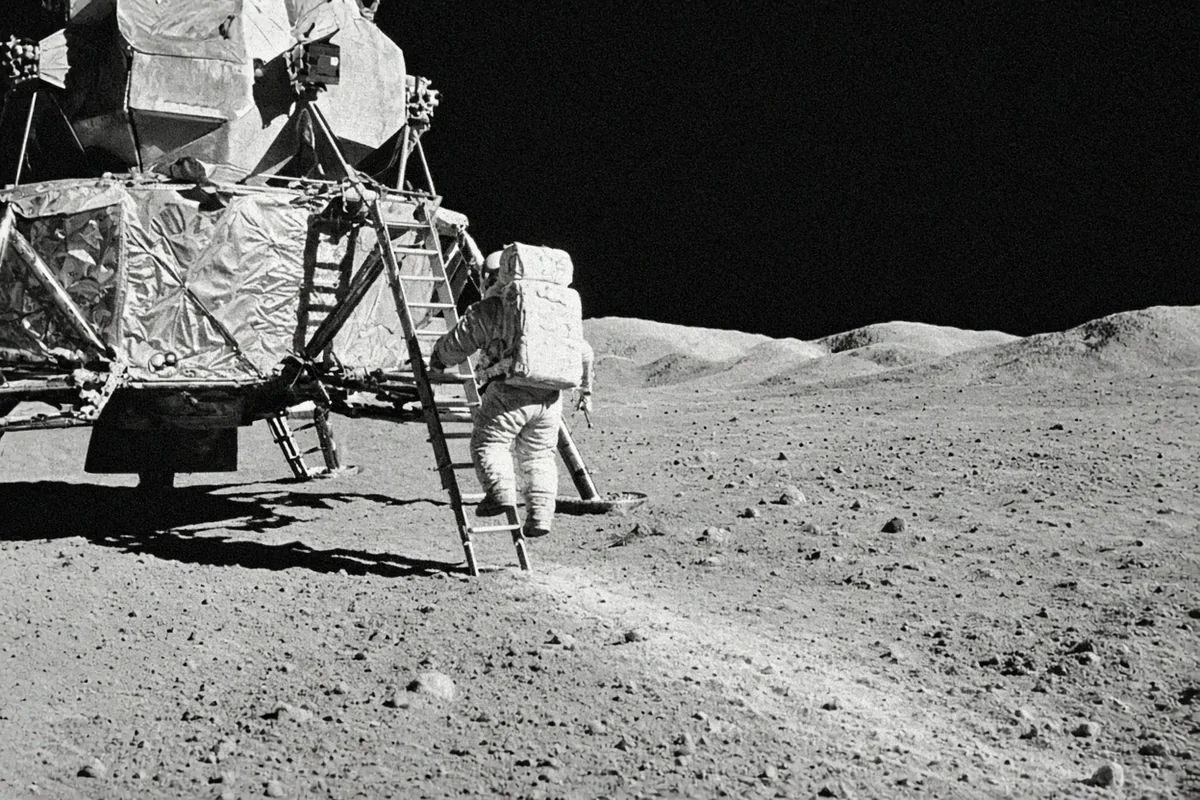
Hours later, past midnight our time, Armstrong climbed down the ladder and set his boot into gray dust that had waited some four and a half billion years for a footprint. The words came through, thin and flattened by distance but unmistakable — a small step for a man, a giant leap for mankind — and in that instant the town, the country, the six hundred million, were not separate audiences anymore. We were one shape, one held breath, looking at the same impossible picture.
The landing was July twentieth. The safe return home took four more days, and when it finally happened, front pages across dozens of languages ran some version of the same triumphant headline, echoing a promise President Kennedy had made more than eight years before he did not live to see fulfilled. Wapakoneta threw its parades. The town leaned into its unlikely fame the way small towns do, painting the water tower, naming a museum after its son before the museum even existed. For a while, it seemed the story had reached its ending, the kind that gets written down and closed.
But four months after that July night, something happened in Wapakoneta that never made the wire services, that no camera crew was there to film, and that I only came to understand the full shape of years afterward, the way you sometimes learn the real center of a story long after you thought you already knew it.
A family of Indian immigrants living in Delaware had watched the landing that July on their own television, one household among the six hundred million, feeling — as they later said — the same astonishment as everyone else, but perhaps something more personal too, the particular wonder of newcomers watching a country they'd chosen reach for the Moon and catch it. Come November, they were driving west through Ohio on some ordinary errand of family travel, and someone in the car, maybe the father, maybe one of the children, must have said what half the country was probably thinking that autumn without ever acting on it: Wapakoneta is right there. The Armstrongs live there. Why not stop.
So they did. They found the house — not hard, in a town that size, with a name that famous — and they walked up and they knocked on the door of Neil Armstrong's parents, unannounced, uninvited, a family none of the Armstrongs had ever met standing on the porch in the cold with nothing but nerve and admiration to explain themselves.
I think of that knock now the way you think of a coin flip that could have gone either way. The door could have stayed shut. Famous families build walls for good reason, and strangers show up at famous doors more often than anyone likes to admit, most of them turned away, most of them forgotten within the hour. But Neil Armstrong's parents opened the door. And instead of a polite dismissal, that family was welcomed in — offered a seat, a conversation, the kind of unhurried hospitality that costs nothing and means everything, especially to people far from their own home wondering if the country they'd adopted would ever fully open its door to them.
There was a photograph taken that afternoon, the kind that ends up in a shoebox for decades — Neil Armstrong's parents standing with the visiting family, ordinary and warm, no fanfare, no press. Nothing about it looked historic. It looked like any snapshot of any afternoon visit, the kind nobody thinks to caption because everyone in the frame already knows who they are.
That afternoon might have stayed exactly what it looked like — a pleasant memory folded into a family's history and nothing more — except that decades later, on another continent entirely, the story found its way back out into the world. One of the children from that car, grown now, was living in Hong Kong, and at a dinner party one evening she told the story to a friend the way people tell stories they've carried a long time without quite realizing how much weight they hold. Her friend listened, and heard in it something the dinner-party air couldn't hold — heard a short film waiting inside it.
That friend went on to make it — a documentary called One Small Visit, built around the knock on that door, the family who dared it, and the ordinary decency that answered — and the film began traveling to festivals and screenings around the world, the same way the television signal once had, though slower now, and quieter, passed from one curious audience to the next rather than beamed at all of them simultaneously. It carried something the broadcast never could: the knowledge that behind the giant leap was a small, plain kindness nobody had been required to give.
I think about the distance between those two facts sometimes. Six hundred million people watching the same grainy picture on the same July night, feeling for one evening like a single species looking up together at the same sky. And then, four months later, two people at one door in one small Ohio town, deciding whether to let strangers in.
Both things happened in Wapakoneta, in a way — the first on every screen in town, the second in a front hallway a few streets over, unrecorded by any of the equipment that had made the first one possible. Nobody planned the second moment. Nobody rehearsed it in a simulator, nobody had a checklist for it, nobody in Houston was listening. It survived only because people kept it, the way people keep the things that mattered more than they understood at the time — in memory, in a photograph, eventually in a reel of film shown in the dark to strangers who hadn't been born yet in 1969.
The town itself moved on, the way small towns do, wearing its fame lightly across the years, its museum quiet on weekday mornings, its water tower still declaring what happened there for anyone driving past on the highway. The parents who opened that door are gone now, as is the astronaut son who never knew, until later, that his family's hospitality had reached a family of strangers driving through on a November afternoon looking for nothing more than to say thank you in person.
I was only a girl on a rug that July night, watching a screen I didn't fully understand, in a town that would spend the rest of its life explaining to visitors exactly where the ladder had been bolted and where the flag had gone in. I did not see the knock on the door. Nobody who wasn't standing on that porch did. But I have thought about it since, more than I ever thought about the alarm at thirty-three thousand feet or the fuel gauge ticking down toward empty, because it asked something smaller and somehow harder of the people involved — not courage exactly, not the kind that gets a monument, just the plain willingness to open a door to strangers because a stranger had once been brave enough to knock.
Six hundred million people looked up at the same picture once. Only two of them, that November afternoon, had to decide what to do when the world came, uninvited, to their front step — and chose, simply, to let it in.