



Research Examines Carpal Tunnel Symptoms, Diagnosis, Care
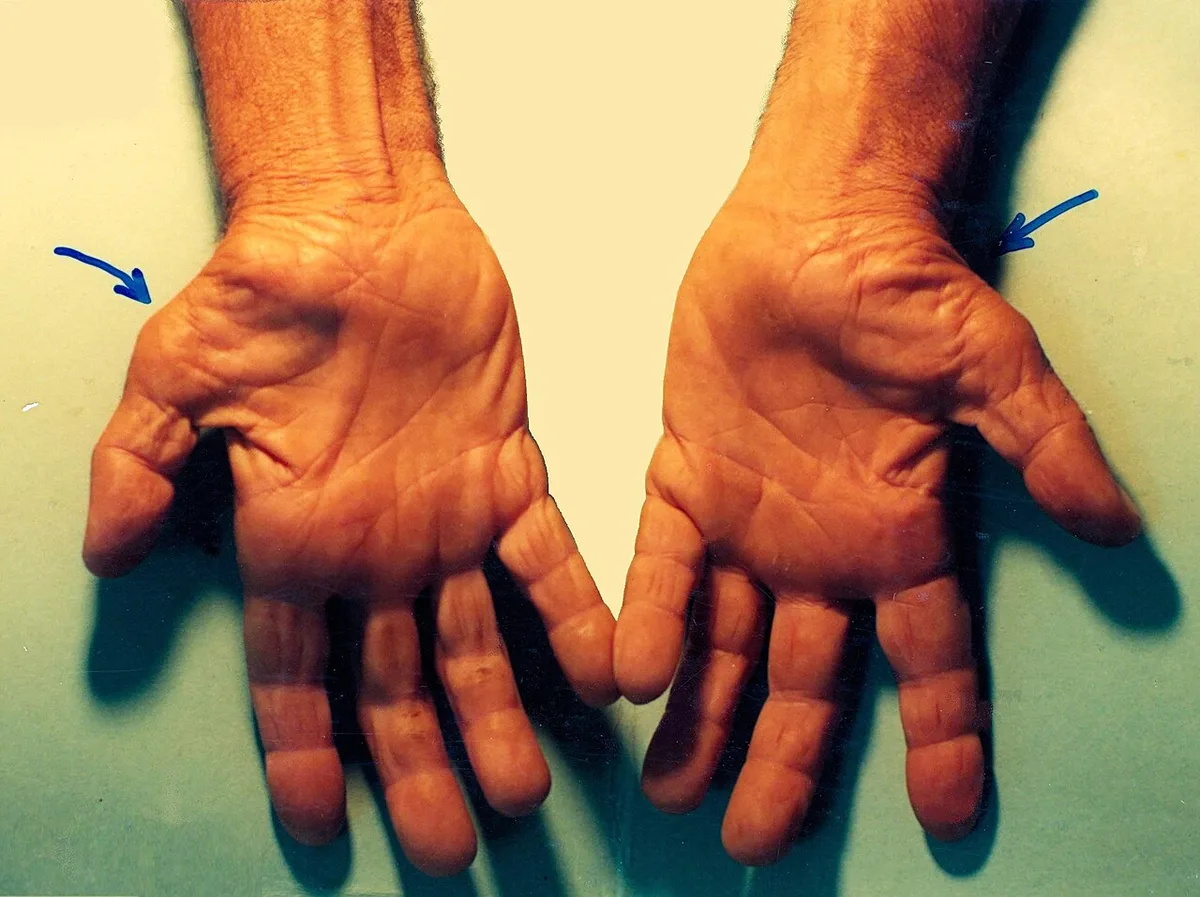
Recent reporting highlights several clinical dimensions of carpal tunnel syndrome (CTS): a study linked the Martin–Gruber nerve variant to greater symptom severity and distinct functional limitations, while another found poor sleep was associated with symptom severity, nighttime pain and depressive symptoms—not independently with electrophysiological severity. New guidance emphasizes diagnosing typical CTS from symptoms and examination, often using the CTS-6 score, rather than routinely relying on imaging or other tests. Bilateral CTS, particularly in older adults, may also be a warning sign of transthyretin amyloid cardiomyopathy, and tissue removed during wrist surgery may be tested for amyloid. A sponsored patient account describes ultrasound-guided carpal tunnel release as a minimally invasive option that may allow recovery at home, including for a wheelchair user concerned about preserving independence.