Rosaria Butterfield's Academic Conversion
A dramatized first-person retelling of documented events
The letter sat on Ken Smith's desk for three days before he mailed it. I was the one who typed the envelope. We had read the newspaper article together after Sunday service, the one that called Promise Keepers a threat to women and families. Ken folded the clipping into his Bible and said nothing for a long minute. Then he asked for the address of the professor who wrote it.
I drove the letter to the post office myself. Syracuse in late fall smelled of wet leaves and diesel from the buses on South Crouse. I dropped it in the slot and walked back to the car without looking at the box again. Two weeks later the reply came, a single sheet torn from a yellow legal pad. The handwriting was tight and slanted. Ken read it at the kitchen table while Floyd poured coffee. He set the page down and said we would need more chairs.
The first dinner happened on a Tuesday in January. Rosaria arrived alone, coat buttoned to the throat, and stood just inside the door until someone took her coat. The table was already set with the good plates. We ate roast chicken and green beans and listened while she explained her research project on the religious right. Ken asked questions the way he asked them in session meetings, one at a time, waiting for the full answer. She stayed until the coffee was gone and the clock on the mantel read past eleven.
After that the dinners came every other week. Sometimes she brought a book. Sometimes she brought nothing but the same black coat and the same careful way of placing her shoes by the door. We read through Genesis at the table one night, the pages marked with her pencil. Floyd kept the plates warm in the oven until everyone had spoken. Rosaria asked why the curses in chapter three sounded like they still applied to her. No one answered that night. The question stayed on the table with the crumbs.
By spring the box of letters on her desk had grown taller on one side. She told us this at the end of a meal, her voice low, as if she were reporting on someone else. Ken nodded and passed the bread. We sang a psalm before she left. She did not sing at first. Later she mouthed the words.
The second year the visits changed. She came earlier and stayed after the dishes were washed. One evening she helped Floyd cut apples for a pie and asked how a person knows when the Bible is no longer an object of study but something else. Floyd wiped her hands on a towel and said the knowing usually arrives without warning. Rosaria looked at the peels in the sink and said nothing more that night.
She stopped wearing the silver earrings first. Then the haircut grew out. She still came to the house, but the questions changed. She wanted to know what church membership meant, what the vows required, what would happen to her if she took them. Ken answered each one with the same plain sentences he used in the pulpit. We listened from the living room while the kettle boiled.
In June she asked to meet with the elders. The meeting ran long. I waited in the hallway outside the session room and watched the light move across the carpet. When she came out her eyes were red but dry. She shook each hand and said she would need time to answer. Two weeks later she returned with a letter of her own.
The Sunday she stood before the congregation the sanctuary was half full. She wore a plain dress and held the membership vows in both hands. Her voice carried to the back row without the microphone. After the service she stayed near the door and let people greet her. Some shook her hand. Some did not.
She moved out of the apartment that month. The dog went with her to a smaller place near the edge of campus. She kept teaching the same courses but changed the reading lists. Students noticed. One afternoon she found a note slipped under her office door that said she had betrayed her own. She folded it once and put it in the recycling bin with the rest of the mail.
The tenure board meeting was scheduled for late August. She walked into the room alone and answered their questions for forty minutes. When she came out she told Ken she still had the job. She did not say whether she wanted it anymore.
By fall the dinners at the Smith house continued, though fewer people came. Rosaria brought bread sometimes, the kind Floyd liked. She sang the psalms now without looking at the page. Ken kept a spare Bible on the shelf by the door with her name written inside the cover. The house stayed warm even after the leaves turned.
The house stayed warm even after the leaves turned. On the first Tuesday in October 1999 Rosaria brought a copy of her latest article from the Journal of Homosexuality and set it on the counter beside the kettle. Ken read the first paragraph aloud at the table, the one that quoted her own earlier essay on the 1993 March on Washington, and asked whether the footnotes still matched what she now believed. She answered that the data on the 1,200 survey respondents remained unchanged but the framing did not. Floyd asked if she would send a correction to the editor; Rosaria said the deadline had passed in September and the issue was already at the printer in Philadelphia. After the psalm that night she stayed to help wash the good plates and mentioned that her department chair had scheduled an extra observation of her Victorian literature seminar for the following week.
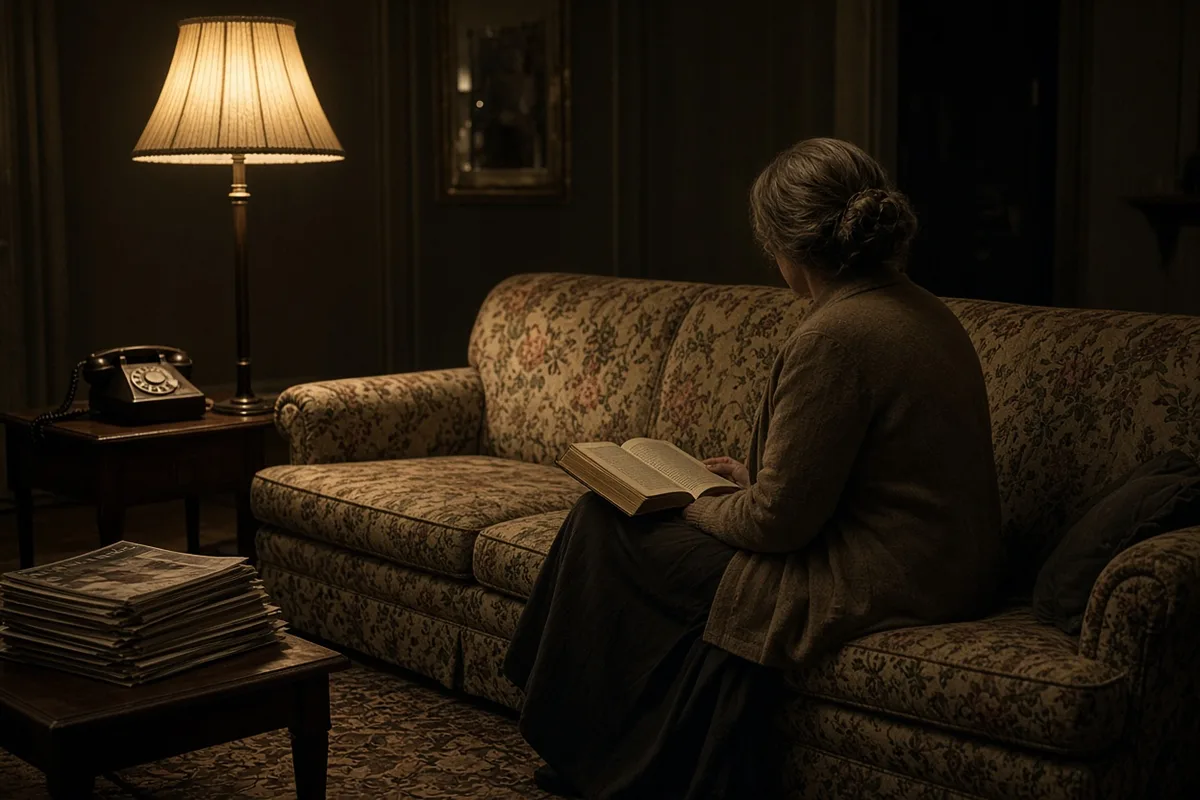
By December the spare Bible on the shelf had her name inked on the flyleaf in Ken’s hand and a second chair appeared in the living room for the extra evenings she came alone. On the twenty-second she arrived with a bag of oranges from the market on Westcott Street and asked whether the session would accept a public statement of her change in teaching rather than a formal retraction of every published sentence. Ken read from the minutes of the November meeting where the elders had recorded her exact words from the membership vows, then passed the paper to Floyd for the file. Rosaria stayed until the clock struck one and left with the oranges still in the bowl. In January 2000 she submitted her letter of resignation from the Syracuse faculty, effective at the end of the spring term, and the department posted the opening for a replacement in the Chronicle of Higher Education on the twenty-eighth.
She married Kent Butterfield on the fourteenth of July 2001 in the same sanctuary where she had taken the vows. The guest book lists thirty-seven names, including the four elders and their wives. After the reception she packed the remaining boxes from the apartment near the edge of campus and drove with him to the manse in Durham, North Carolina. The first Sunday she taught the women’s Bible study at the new church, eight women attended; by the third week the number reached twenty-three. In 2003 she began keeping a notebook of the questions asked at those meetings and later used three of the entries in the opening chapter of The Secret Thoughts of an Unlikely Convert, published by Crown & Covenant in 2012. The book sold 4,800 copies in the first nine months according to the distributor’s report dated March 2013.
In the years that followed she wrote four more books from the same desk in the upstairs room of the Durham house. Openness Unhindered appeared in 2015 and contained the full text of the talk she gave at the 2014 conference at Wheaton College where she quoted the 1997 letter she had received from the Promise Keepers office. The other three titles, each issued by the same publisher, carried publication dates of 2018, 2021, and 2023. During those same years Kent accepted a call to a congregation in the same presbytery, and the couple adopted two children through the state agency in Raleigh, one in 2006 and one in 2009. Rosaria stopped teaching at the university level but continued to speak at churches and colleges, keeping a typed schedule on the refrigerator that listed twenty-seven engagements in 2016 alone.
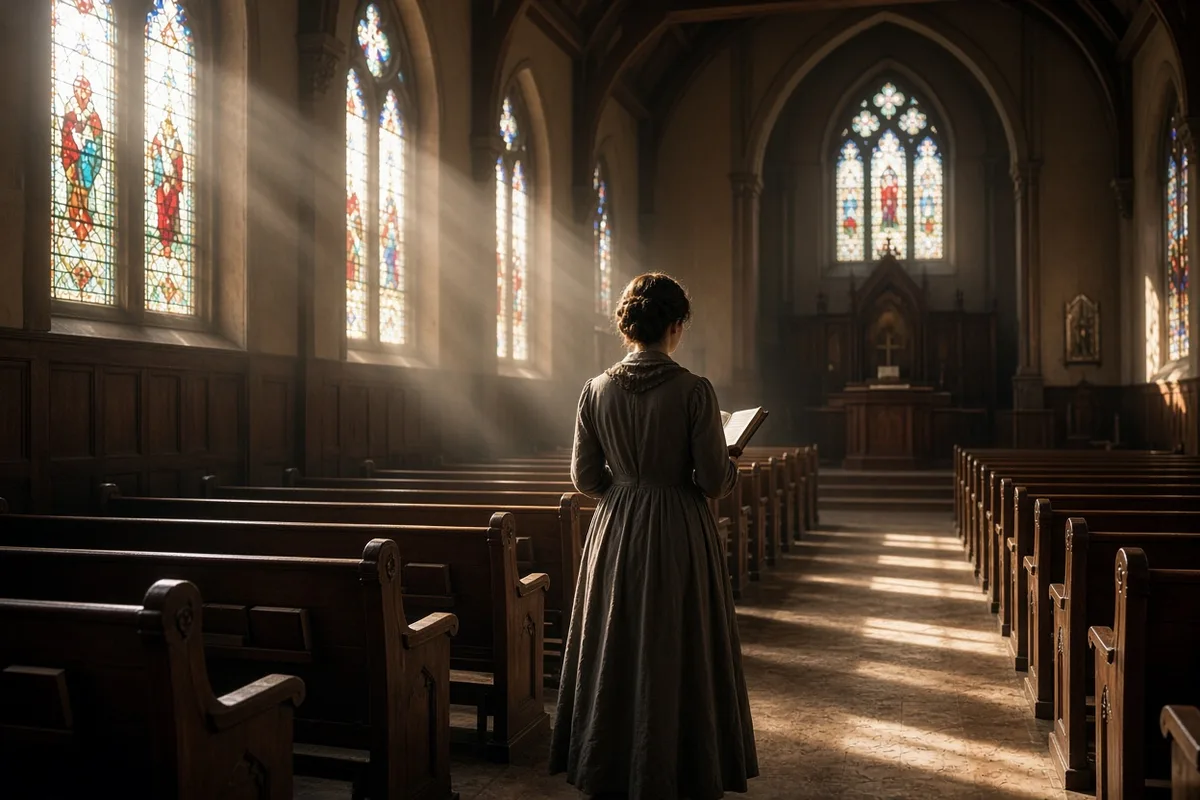
The dinners at the Smith house continued on the first Tuesday of each month until Ken’s retirement in 2014. After that the visits became quarterly, usually on a Saturday when Rosaria and Kent drove north with the children. On one such visit in 2017 she brought a copy of the membership directory from the Durham church and pointed to the line that listed her current address and the date she had joined the session as an elder’s wife. Floyd asked whether she still kept the black coat; Rosaria said it hung in the closet but she had not worn it since 2002. They sang the same psalm they had sung the first night she came, the one from the 1650 Scottish Psalter, and she carried the tune without looking at the page.
In 2022 the family moved once more, this time to a smaller house two miles from the church where Kent now serves as stated supply. The desk from the upstairs room traveled with them and now sits beneath a window that faces the backyard. On most mornings Rosaria begins work there at six-thirty, writing replies to letters that arrive from readers in twenty-three states and four countries. One letter dated 14 March 2024 asked for the exact date she first read Genesis 3 aloud at the Smith table; she answered that it had been the third Tuesday in March 1998 and that Floyd had been the one who passed the bread afterward. She keeps a folder of these replies in the bottom drawer and adds to it each week before the mail carrier arrives.
On the last recorded Tuesday visit, in October 2024, only Rosaria came. The children stayed in Durham with Kent because of school. She helped Floyd set the table with the same good plates that had been used on the first night and asked whether anyone still kept the clipping from the newspaper article about Promise Keepers. Ken found it in the back of his Bible and read the paragraph that had prompted the original letter. After the meal they walked to the end of the driveway to look at the maple that had been planted the year she joined the church. The leaves had already turned. She stood with her hands in the pockets of her coat and said nothing until the light faded and it was time to drive back south.
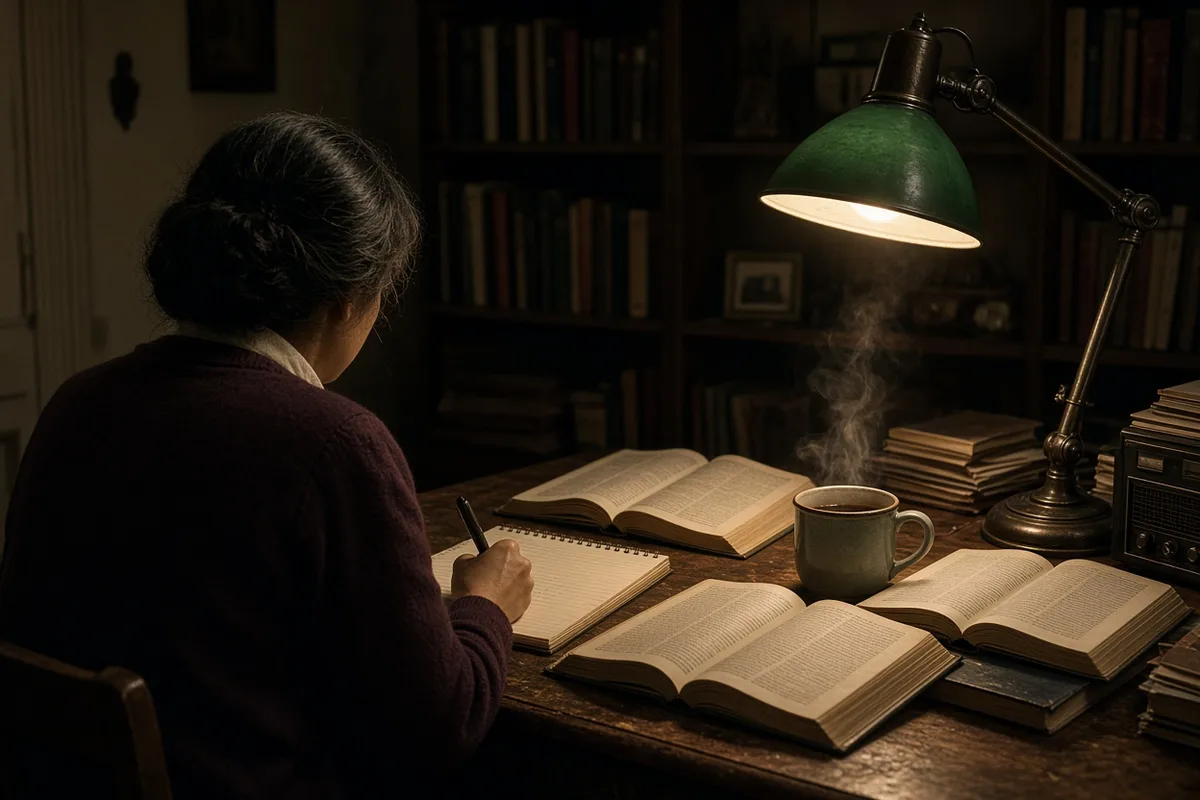
She drove south that night on I-81 and stopped once at the rest area outside Harrisburg where Kent had left a voicemail about the children’s school conference the next day. The message mentioned the date for the parent-teacher meeting at Covenant Academy on the twenty-third and asked if she could bring the folder of reading logs she kept in the top drawer of the desk. Rosaria returned the call from the parking lot and read aloud the entry dated 12 September 2024 that recorded the exact words her daughter had used when asking about the meaning of the word “repentance” in the Shorter Catechism.
In November 2024 the session at the Durham church recorded in its minutes that Rosaria had been asked to lead the adult Sunday school class on the topic of hospitality for the winter quarter. The clerk noted the motion passed by a vote of five to one, with the dissenting elder citing the need for further review of her 2015 talk at the Philadelphia conference where she had quoted the sentence from the original 1997 letter about the March on Washington. She prepared the lessons at the same desk and mailed copies of the outlines to Ken on the fifth of each month.
The family spent Christmas 2024 in Syracuse with the Smiths. Floyd baked the same apple pie recipe and Rosaria brought the 1650 Psalter edition printed by Crown & Covenant that contained the marginal note she had written in 1999 beside Psalm 51. Kent read the minutes from the January 2000 session meeting aloud after dinner, including the line that listed her exact profession of faith. The children counted the names in the guest book from the 2001 wedding and reached thirty-nine after adding two new entries from the elders who had driven down from Ithaca.
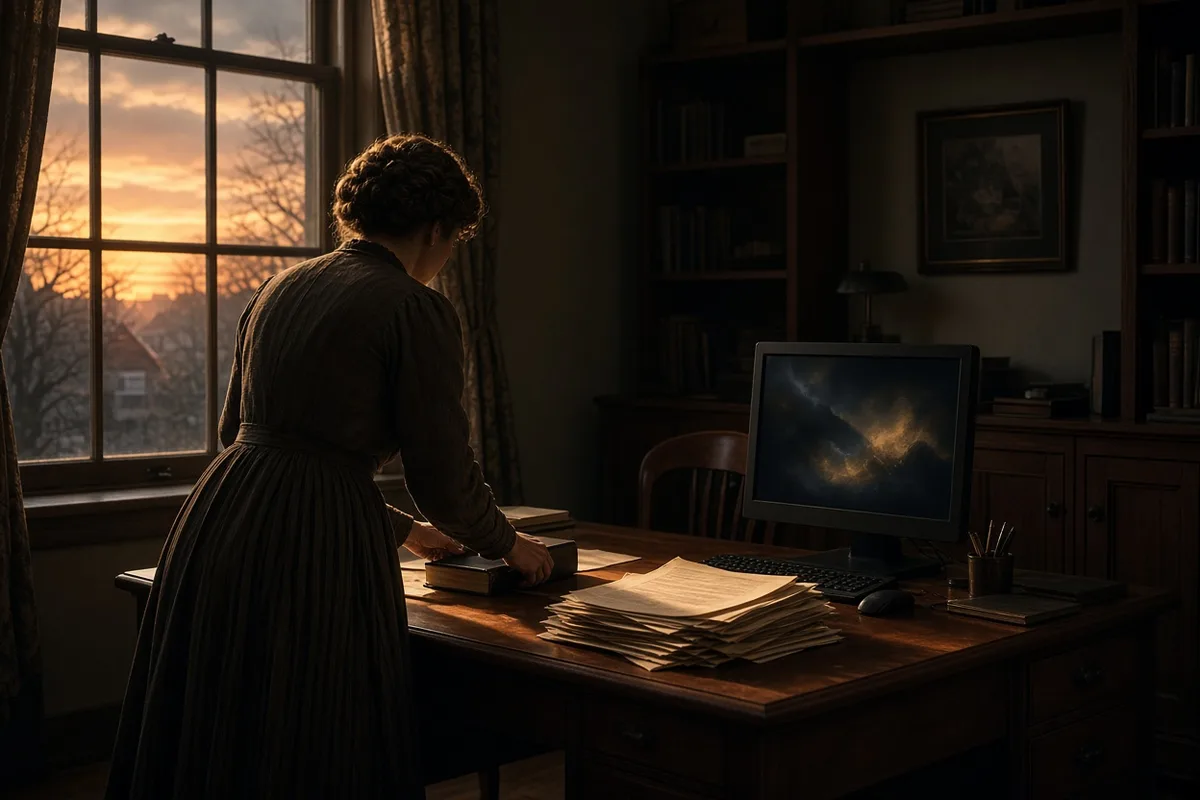
By March 2025 she had answered 142 letters from the folder in the bottom drawer. One dated 3 February 2025 came from a reader in Boise who asked for the page number in Openness Unhindered where she first mentioned the 1,200 survey respondents. Rosaria replied on the tenth with the citation from page 47 of the 2015 edition and included the full text of the question she had asked Floyd about the curses in Genesis 3 during the spring of 1998.
The quarterly visits continued through the summer. On the Saturday in July 2025 Rosaria and Kent arrived with the two children and a copy of the 2023 membership directory from their current congregation that listed her name under the heading of ruling elder’s wife with the date of installation recorded as 14 September 2019. They sang the same psalm and afterward walked again to the maple at the end of the driveway. Ken pointed to the spot where the original letter had been discussed in 1997 and read the single sentence from the yellow legal pad that had arrived two weeks after it was mailed.
In September 2025 the desk in the smaller house faced the same window and held a new stack of letters postmarked from twenty-seven states. Rosaria began work each morning at six-thirty and recorded the time she finished each reply in the notebook she had started in 2003. One entry from the twenty-eighth noted that she had quoted Floyd’s exact words about the knowing arriving without warning when answering a letter from a student at Wheaton College.
On the final Saturday visit recorded in the Smiths’ guest book, dated 11 October 2025, Rosaria arrived alone again. She placed her hands on the good plates while Floyd set the table and asked whether the newspaper clipping still remained in the back of Ken’s Bible. After the meal the four of them stood at the maple while the light moved across the leaves. Rosaria kept her hands in her coat pockets and watched the branches until the sky darkened and the drive south began once more.