



Mercury May Have Shrunk Up to 23 Kilometers
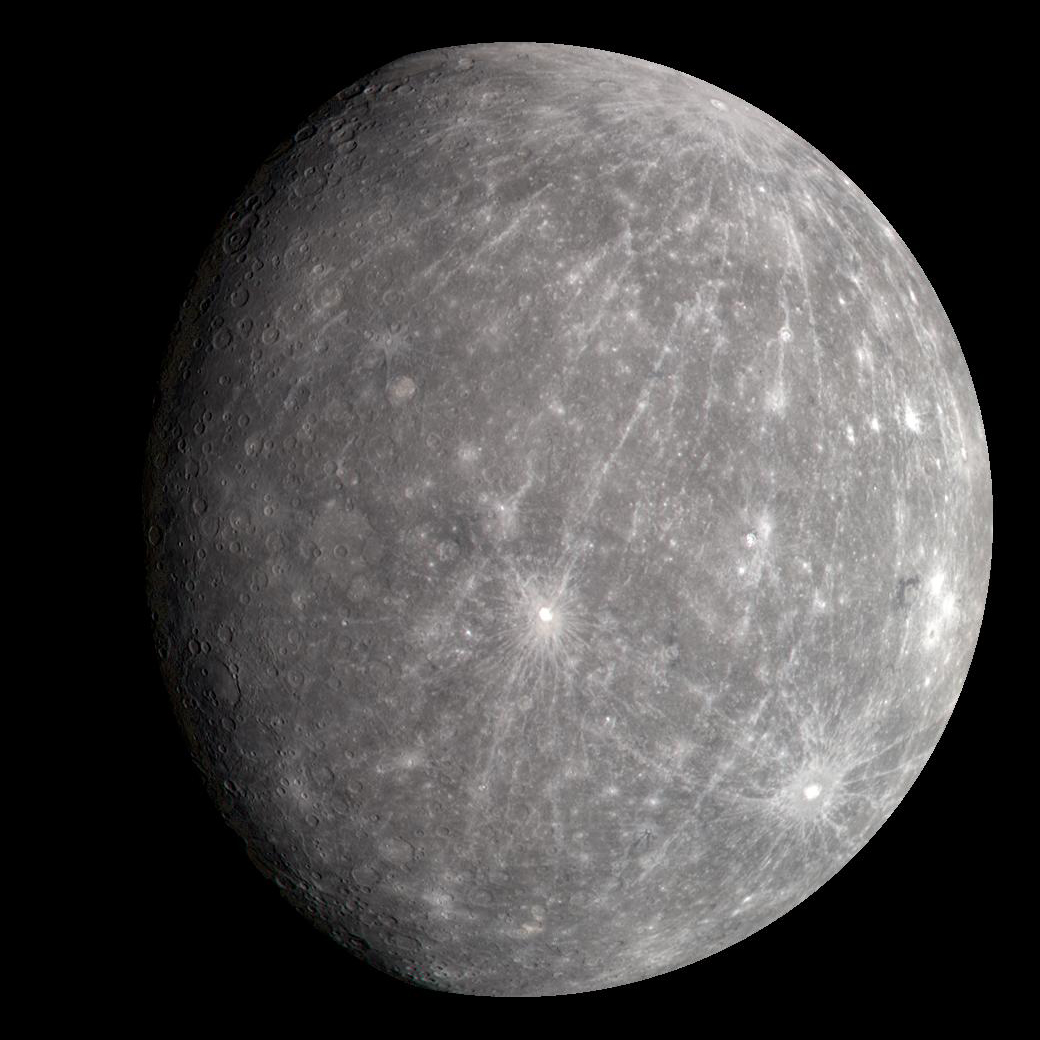
Mercury may have contracted 10% to 30% more than previously estimated as its hot interior cooled, reducing the planet’s diameter by roughly 12 to 14 miles (19 to 23 kilometers) since its formation about 4.5 billion years ago. Researchers say debris from billions of impact craters roughened and buried parts of the surface, hiding some scarps and ridges created by the planet’s global contraction. The revised estimate could help scientists determine Mercury’s internal composition and history, including whether it has a larger metal core, fewer light elements such as silicon, or a higher initial temperature. The findings were based on comparisons of geological contraction features with surface-roughness maps and measurements from NASA’s MESSENGER mission. The European-Japanese BepiColombo mission, expected to begin orbiting Mercury in November, may provide more precise measurements using its laser instrument.