



NASA Swift Telescope Expected to Reenter Earth’s Atmosphere
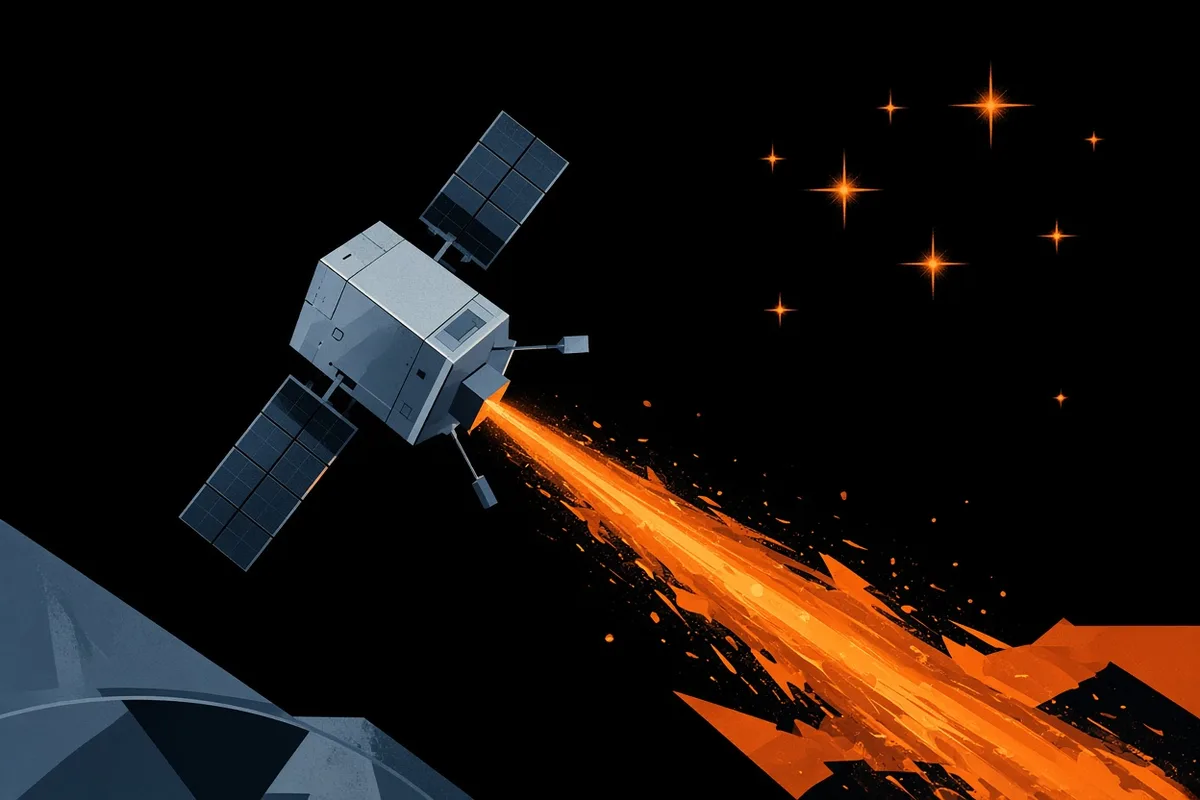
The U.S. Space Force predicts NASA's Neil Gehrels Swift Observatory will re-enter Earth's atmosphere on or around Friday. Launched November 20, 2004, for a two-year mission, the 1.5-ton craft fell under solar-driven drag to about 171 miles by late October. Katalyst Space Technologies' Link robot launched July 3, 2026, on a Pegasus XL, got no closer than 7 to 9 miles, and fell back in September. Swift then resumed brief observations before shutting down when too low for stable pointing. Final observation was October 20, 2026; NASA announced science operations ended October 23. Mission chief scientist Brad Cenko said tungsten and mirror parts could survive while most burns up, most likely into the ocean. The reentry zone includes parts of Africa, Australia, India, Southeast Asia, and the Americas. John Nousek, who led the control team, said: "We've known this day would come since before Swift was launched. At least in low-Earth orbit, what goes up must come down. And that end is catastrophic." He also said in an email that the fervent hope is Swift's lessons apply to new missions. CONTESTED: outlets report 22 years in orbit; Interesting Engineering and a Newsy Today line state 21. The tally includes more than 2,000 gamma-ray bursts and 1,400 exploding stars. Space Force continues tracking.