



Studies Link Sleep Disruptions to Mental Health
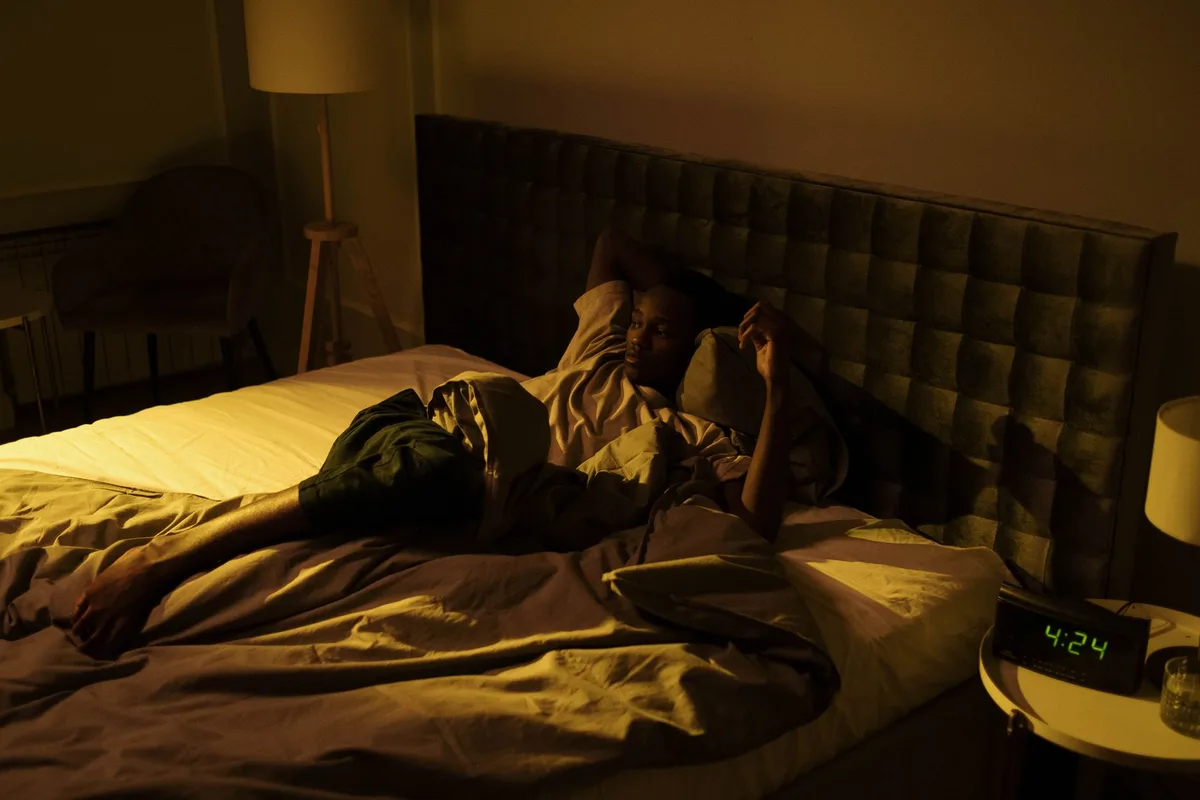
Several studies and expert accounts point to links between sleep disruption and mental health, while cautioning that associations do not establish cause and effect. In a survey of adults in Austria and Germany, people who reported sleep-start jolts at least weekly also reported poorer sleep, more severe insomnia, stronger unhelpful beliefs about sleep and higher anxiety; the cross-sectional design cannot show whether the jolts contribute to distress or result from it. Wearable data from more than 22,000 adults likewise linked less regular sleep with greater depression, anxiety and loneliness symptoms. In a study of adolescents with major depressive disorder, cognitive symptoms statistically mediated the association between insomnia severity and suicidal thoughts among girls, but not boys. Experts say nighttime worries can intensify as distractions fade, while anxiety can make it harder to sleep and poor sleep can heighten anxiety; suggested coping approaches include setting aside time to address worries and maintaining healthy sleep habits.