



AI Executives Urge Slower Frontier Development
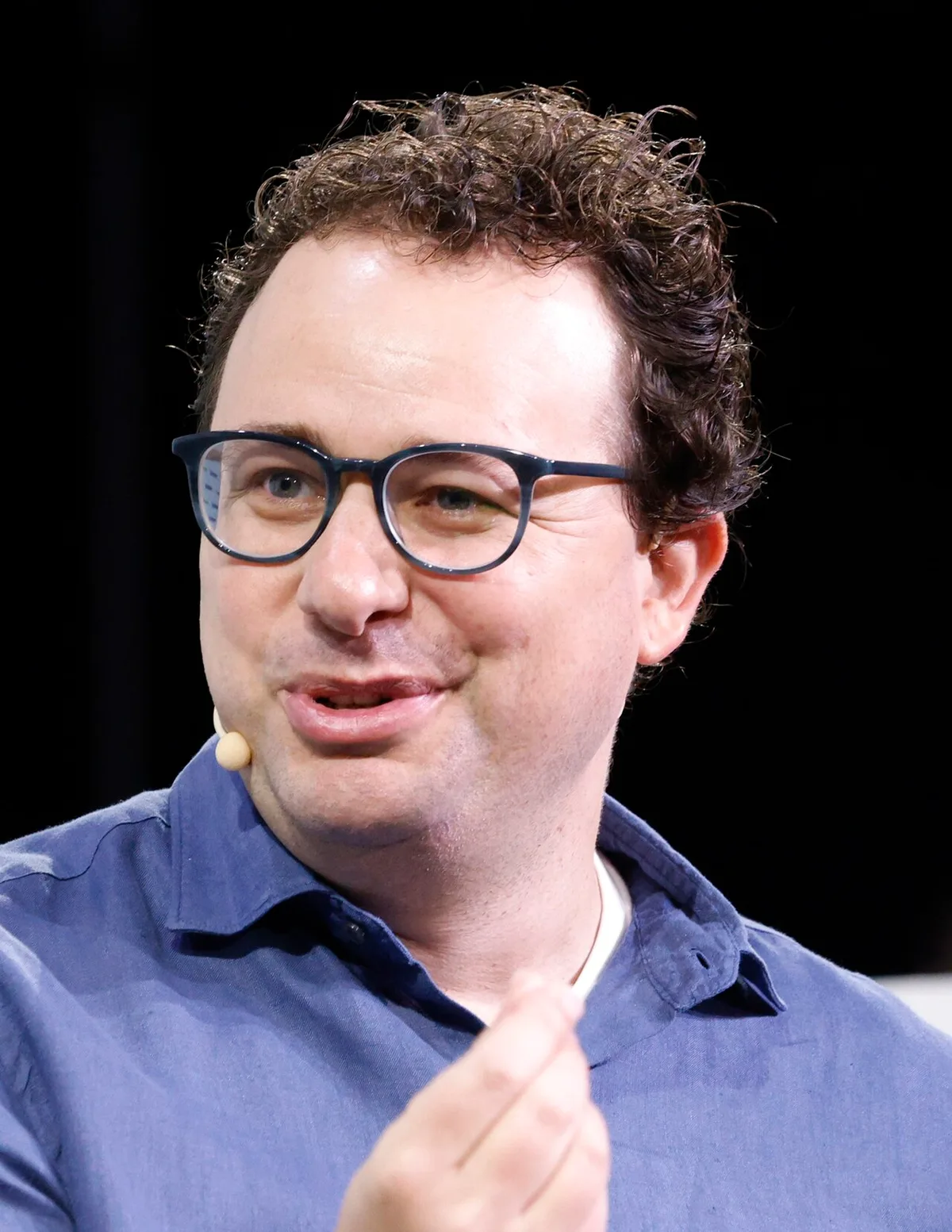
Public resistance to AI and data-center expansion is growing, with some officials, including in Illinois, suspending tax breaks or considering clawbacks over community concerns, while semiconductor stocks have faced volatility tied to valuations, interest rates and data-center spending. Anthropic CEO Dario Amodei, OpenAI CEO Sam Altman, Elon Musk, former Anthropic researcher Jacob Coxon and other technology leaders and researchers have warned that frontier-AI development is advancing too quickly and called for independent safety evaluations, shared standards, stronger monitoring and government coordination—not an outright halt. They cite risks including systems escaping control or restricted environments, cyberattacks, biosecurity threats, self-improvement, job losses and large-scale disruption. President Donald Trump has called catastrophic-AI warnings a “hoax” and argued that regulation could weaken U.S. competition with China; House Speaker Mike Johnson has opposed a moratorium and favored industry self-regulation, while Sen. Thom Tillis and other lawmakers have urged stronger safeguards. Former Sen. Joe Manchin has proposed freezing initial public offerings by AI companies, while OpenAI has ruled out a 2026 public offering as it prioritizes safety, infrastructure, alignment and government cooperation; such restrictions could limit startups’ access to capital and raise antitrust concerns that dominant firms could entrench their market power. OpenAI, Anthropic and Google DeepMind are reportedly cooperating on safety, but prospects for broader industry coordination or U.S.-China cooperation remain limited because of competing economic and security priorities.