


China rejects espionage claims targeting Nvidia CEO Jensen Huang
60 sourcesUpdated Nov 10, 20261 min read
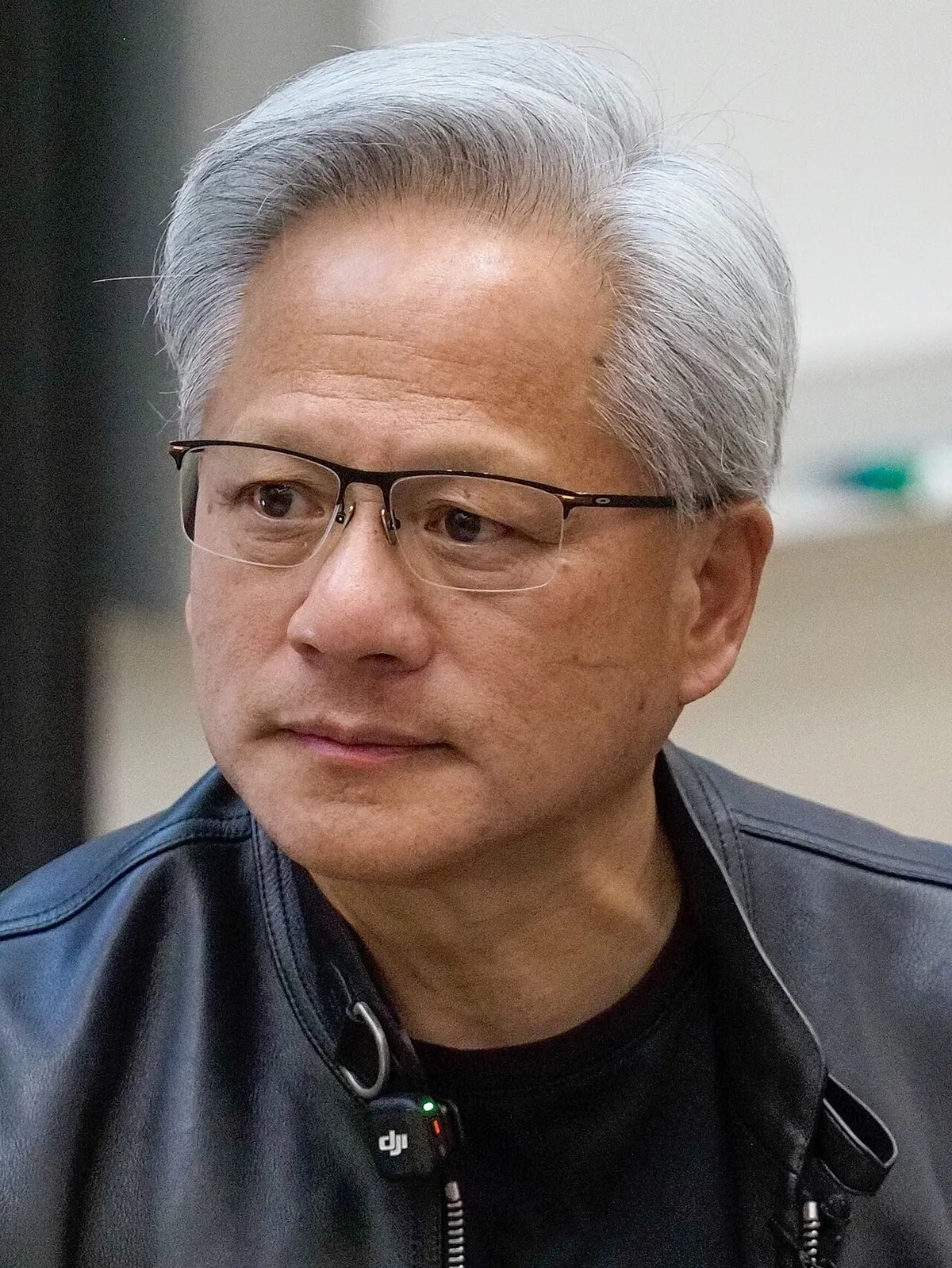
Nvidia CEO Jensen Huang acknowledged an affair with Alice Huang, a former executive at Nvidia customer Megaspeed whom U.S. intelligence reportedly suspects of working for China. Nvidia’s board appointed independent directors and outside counsel to investigate whether Huang was targeted or sensitive information was exposed; the company says it has no reason to believe its secrets or national security were compromised, and Huang has said he will cooperate and remains CEO. President Donald Trump said the FBI is looking into the matter and that Huang told him he did not know the woman was allegedly a spy; China has rejected the allegations as a smear. Shareholders have filed a lawsuit alleging Nvidia and Huang made misleading statements, and the case has raised questions about Nvidia’s governance, Huang’s succession, and national-security risks around advanced AI chips. Nvidia shares fell sharply on Monday even as broader markets and major semiconductor peers rose, though some analysts expect little lasting impact on AI demand or the broader buildout; the investigation and its geopolitical implications remain unresolved.
Where do you stand?
How it spread
What each side asserts, disputes — or leaves out entirely.
Whose framing of this story rings truest to you?
Center· 1 source
“Jensen Huang Is Living Proof that AI's Top Executive Directors Also Represent a Hidden Risk”Right· 11 sources
Nvidia's quick statement that no secrets were compromised is reassuring, though their board needs to finish this investigation properly anyway.
China's denial of targeting Jensen Huang feels predictable given ongoing US-China tech tensions, but it doesn't clear the air on the former executive.