



The Irish Potato Famine Relief by Quakers
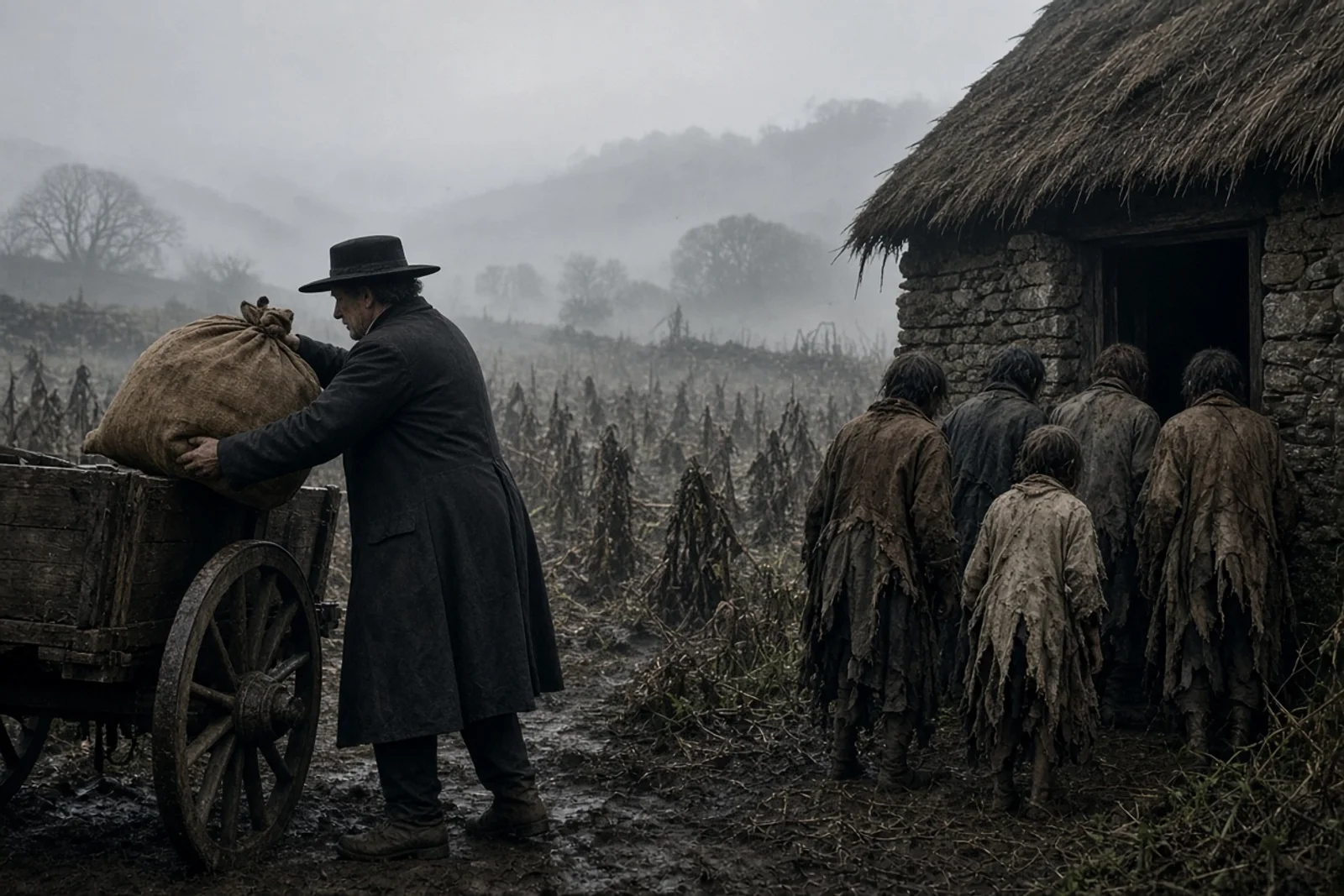
The road into Cork stank of rot and wet ash. I walked it with a sack of turnips over one shoulder and a letter from Joseph Bewley folded in my coat. The letter said only that Friends needed hands at the market before noon. By the time I reached the square the sun had burned the mist off the river and a line of women already waited with children pressed against their skirts.
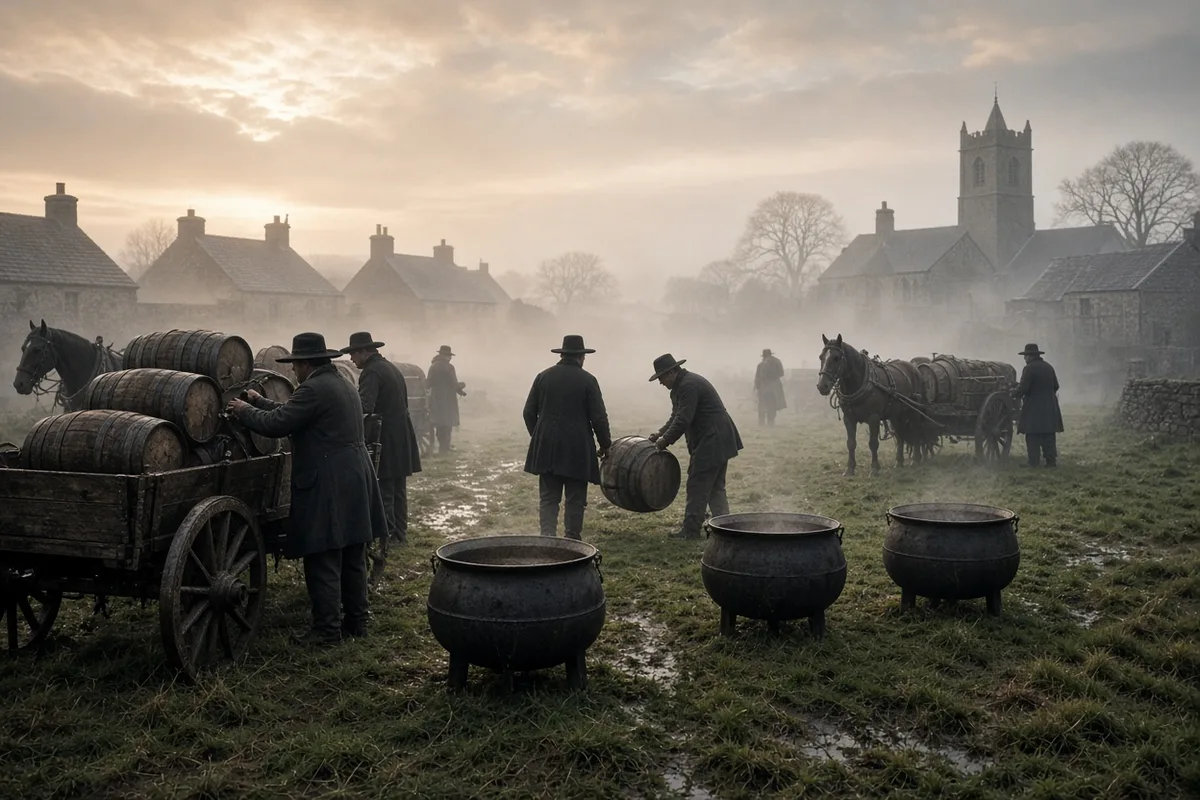
A man in plain black stood on an empty stall counting out coins for two iron boilers. He looked up when I gave my name and asked if I knew how to stir without scorching the bottom. I said I did. He nodded once and pointed to a stack of wooden bowls already chipped from use. His name was William Harvey and he had come down from Dublin two days earlier with instructions to open the shop that morning.

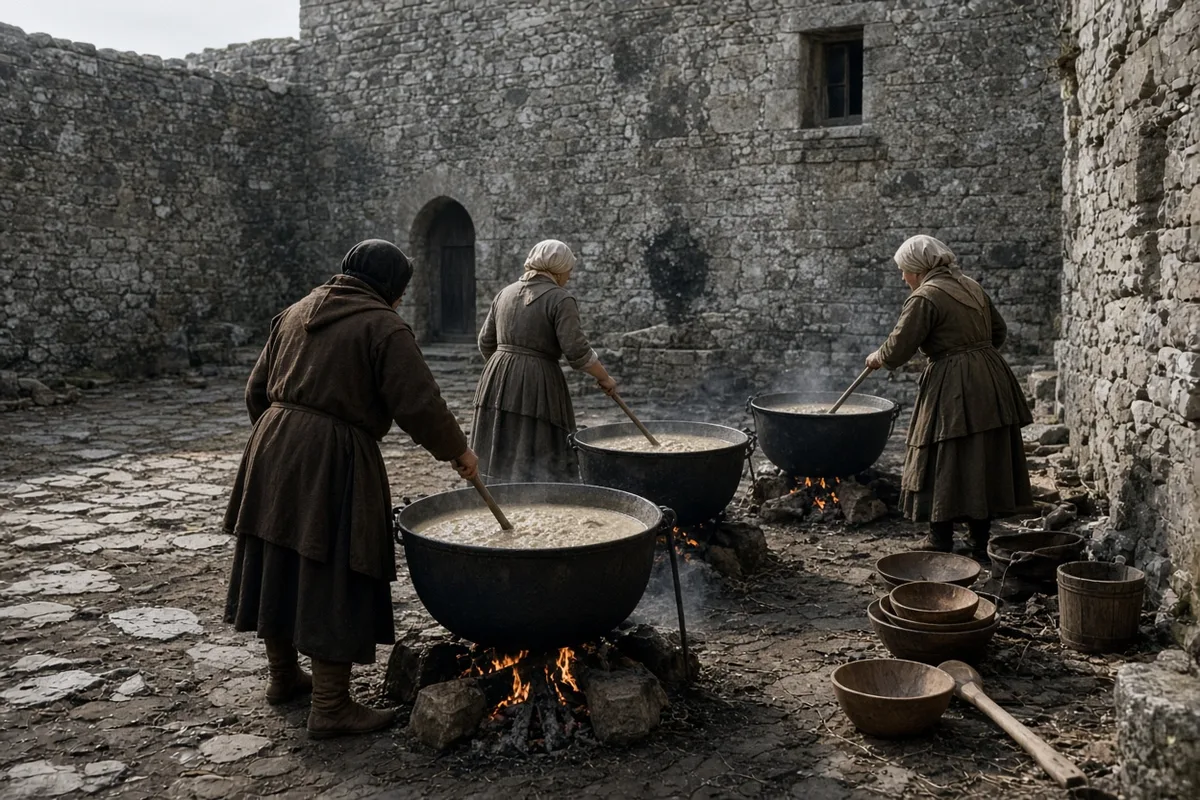
We set the first boiler on bricks and lit the turf beneath it. Harvey measured oatmeal into the water while another Friend, a woman from Clonmel whose name I never caught, broke salt into her palm and tasted it. The smell drew more people. By mid-afternoon the queue reached the far wall of the market house. No one asked what meeting we belonged to. We asked only how many in each family and whether anyone had fever.
That night I slept on a bench behind the stall. Harvey woke me before first light to carry another letter to the post. It asked the Birmingham foundry for six more boilers and listed the townlands already without seed potatoes. He wrote the names in a small hand that did not shake even when the candle guttered.
Within a week the Cork committee had sent two men west with instructions to find the worst off holdings and report back the same day. I went with them as far as Macroom. The fields there lay black where the ridges had been dug. In one cabin a man lay on straw too weak to lift his head. His wife answered every question about the children without looking away from the pot we had brought. She took the soup and said nothing about God or blame.

We returned to Cork with a list of twelve more places that needed kitchens before the month ended. Harvey read the list aloud at the next meeting. Someone asked whether the government stores would open soon. No one answered. Instead the committee voted to buy Indian meal at the quay price and to keep the price at the shop low enough that a labourer could still afford a bowl after the day’s work.
By December the auxiliary committees had formed in Limerick and Waterford. Letters passed between them almost daily. One from Clonmel reported that a landlord had offered a barn if Friends would supply the fuel. Another from Waterford asked whether the same boiler could serve two villages on alternate days. The answers were always practical and short.
I travelled once with a party to a village north of Limerick where the road had washed out. We carried the boiler on a cart pulled by two horses that had not been fed grain in weeks. At the top of the rise we found twenty families already waiting with their own bowls. A boy no older than ten asked if the soup would be ready before dark. We told him it would. While the water heated one of the Friends walked among the cabins counting how many roofs still held thatch. He wrote the numbers in the same small hand Harvey used.
The work did not stop when the first cases of fever appeared among the distributors. Two men from the Limerick committee fell ill in January. The rest kept the kitchens open and sent what money remained to their families. No one spoke of stopping. The rule was simple: feed first, ask nothing in return.
In early February a letter arrived from Bewley in Dublin. It said the Central Relief Committee had decided to send agents into every county where the crop had failed completely. The letter listed the counties and the names of the agents chosen. Mine was among them. I packed what clothes I still owned and left the Cork market to another man who had walked in that morning looking for work.
The next months passed in a blur of roads and names. In each place we arrived with the same instructions: find the poorest, set the boiler, keep the price at a halfpenny a pint, and leave when the local committee could manage without us. We did not preach. We did not ask anyone to change their faith. We counted the living and wrote down the number of widows and orphans so the next party would know where to stop first.
By spring the number of kitchens had grown beyond what any single committee could track. The letters now carried only the totals: so many tons of meal distributed, so many boilers in use, so many days the shops had stayed open. The handwriting on those letters remained steady even when the numbers grew larger than anyone had expected.
When the last kitchen I helped open closed its doors in the summer of 1847 the man who locked it left the key on the windowsill for whoever came next. He did not look back. I walked the same road out of Cork that I had walked in the year before. The fields were still black in places, but the line at the market square was shorter. The women who remained carried their bowls home without speaking. The smell of the river had not changed.
In the months that followed I reached Dublin on the evening coach from Cork and delivered Bewley’s last instructions to the rooms at 10 Eustace Street where the Central Relief Committee kept its ledgers. Jonathan Pim recorded the entry for 3 September 1847 that the Cork auxiliary had closed after distributing 47 tons of Indian meal and 12 boilers, and he added my name to the list of agents still needed in the western counties. Bewley himself handed me a fresh letter addressed to the agent at Westport, stating only that the price of meal at the quay now stood at £19 10s. per ton and that no further purchases should be made above that figure. I left the same night on the mail car.
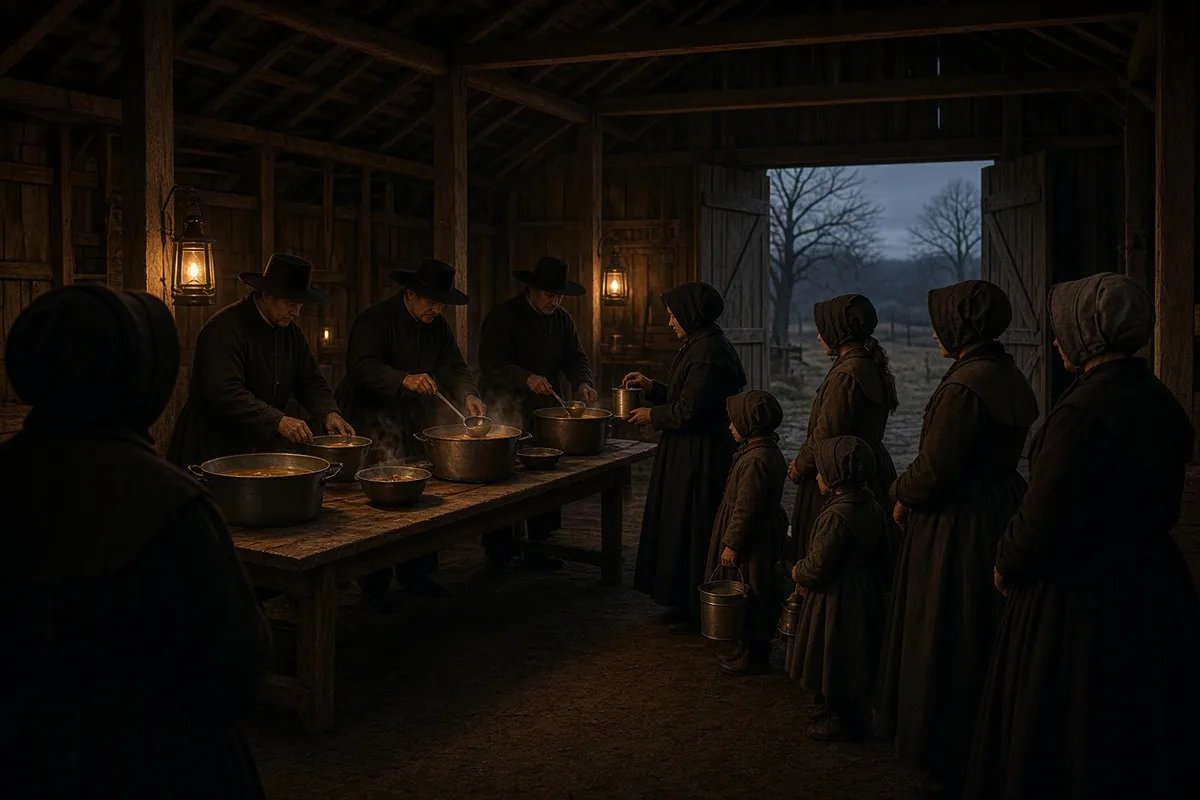
By mid-October I had reached the holding at Erriff where the local committee had already opened two kitchens under the direction of William Miller from the Clonmel meeting. Miller’s daily return for 22 October noted 312 pints served at the halfpenny rate and listed the names of fourteen families whose potatoes had failed a second season. One entry read “Widow B. Joyce, four children, cabin at the foot of the hill, no fuel.” We sent an extra cart of turf that week and noted the date the children first appeared at the boiler without their mother. The figures were copied into the committee book kept at the Society’s rooms in Dublin and later printed in the 1848 appendix to the Transactions.
In January 1848 the fever reached the distributors at the second kitchen near Leenane. Thomas Beale from Waterford, who had arrived with the first load of boilers in December, died on the 19th after three days of the black vomit. His last recorded words, taken down by the remaining agent, were simply “Tell the committee the account is balanced.” The kitchen stayed open; the rule remained the same. Letters from the central committee in Dublin continued to arrive with the same request: count the living, record the orphans, keep the price fixed. By March the total for the county stood at 184 boilers in daily use and 2,147 families on the lists.
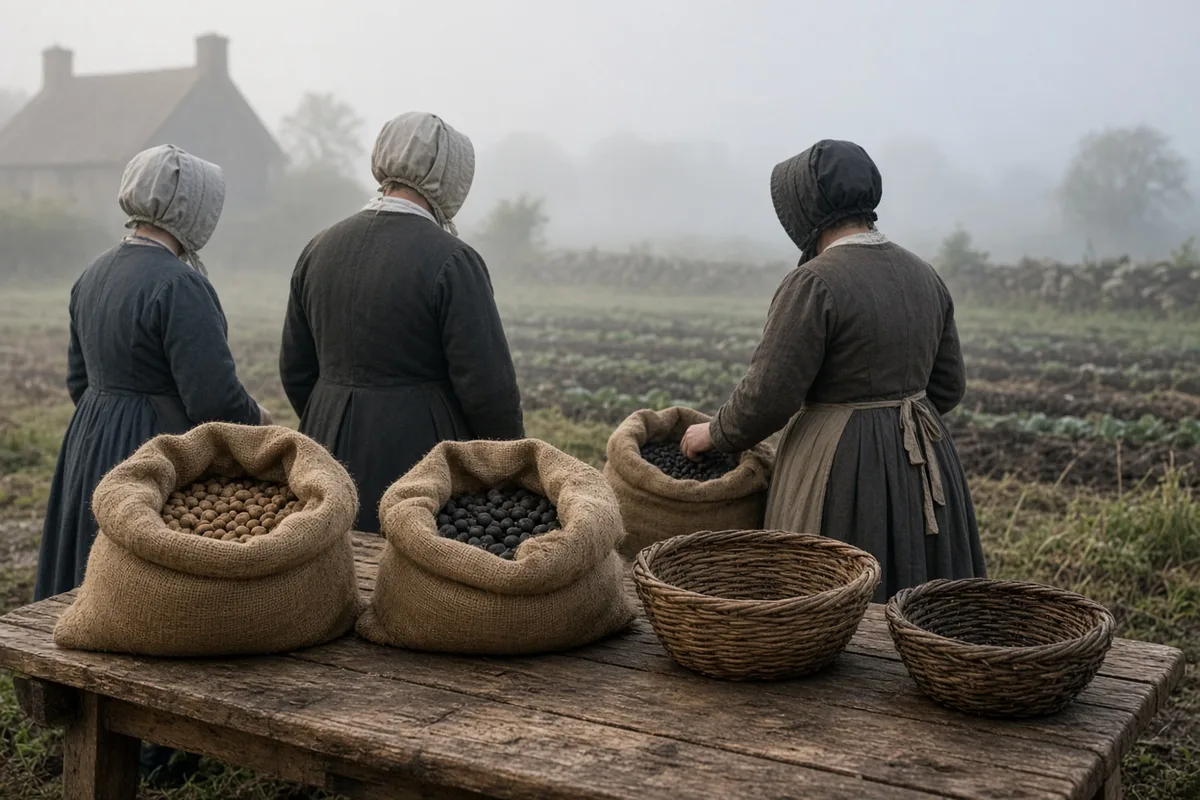
When the crop showed green in the ridges again during the summer of 1849 the committee in Dublin began to shift its remaining funds to the purchase of seed. A minute dated 14 June recorded the purchase of 47 tons of Scotch seed potatoes at 18s. per barrel, sent to the same townlands where the kitchens had stood. I carried one consignment as far as the holding at Delphi and left it with the man whose wife had answered our questions two years earlier. He signed the receipt with an X and said the seed would be planted before the week ended. The committee’s final printed report for that year listed 312 barrels distributed in this manner across Mayo and Galway.
By 1852 the kitchens had all closed and the committee turned its attention to the model farm at Ballinode in Monaghan where three hundred acres were let to small holders under Quaker trustees. The lease book still held at the Religious Society of Friends’ archives records the first tenant as Patrick McHugh, formerly of the Erriff district, who took twenty-three acres on 1 May 1853 at a rent of 12s. per acre. I visited the place that autumn and saw the new drainage ditches already turning the black ridges into workable ground. The same small hand that once wrote boiler counts now entered the yields: 14 barrels of oats per acre in the first season.
In later years the same committees turned their remaining subscriptions toward the establishment of the Quakers’ schools at Newtown and Mountmellick. The minute book for 1864 notes the admission of three children from the original Cork lists, now grown, whose fees were paid from the balance of the relief fund. One of those children, listed only as “M. Sullivan, orphan, Cork, 1847,” completed the course in 1871 and later kept the day book at the school itself. The original ledger entry carries the note “fees remitted under the relief minute of 1847.”
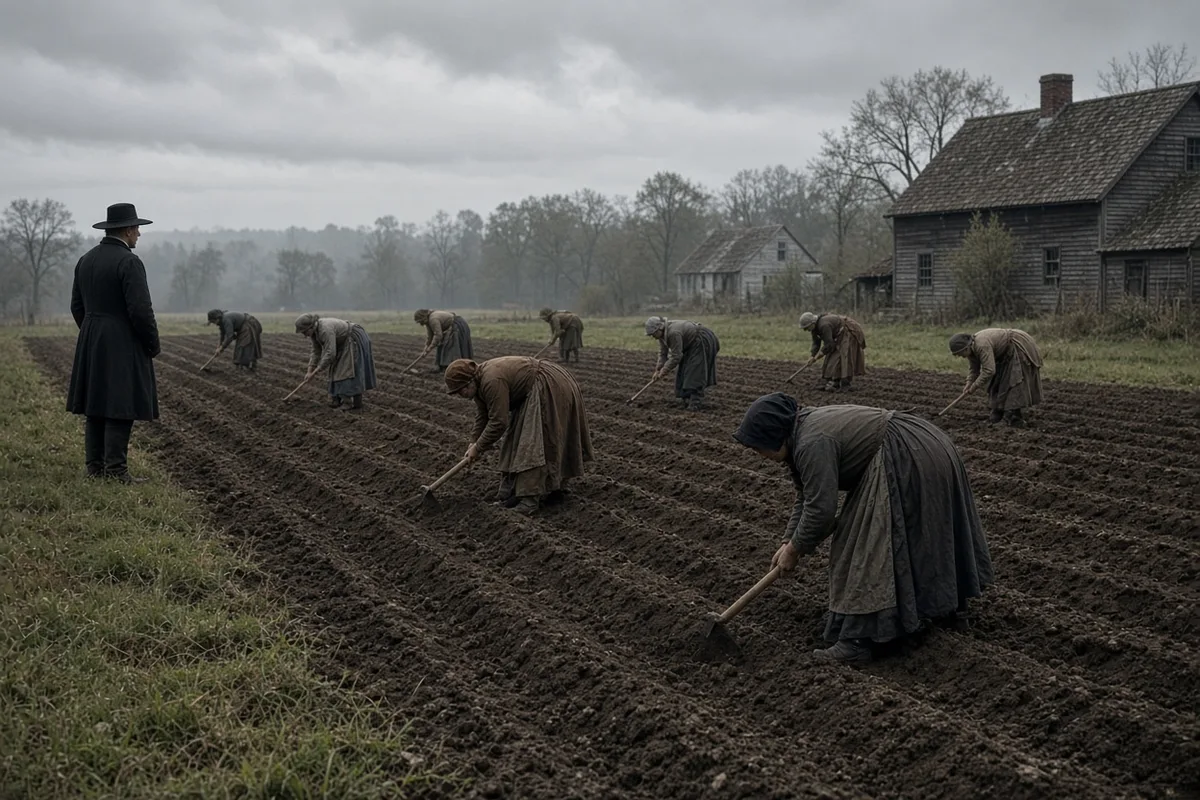
On a clear morning in the spring of 1883 I returned once more to the market square in Cork. The river smell was unchanged. A woman of perhaps sixty stood at the same stall where the first boiler had been set, selling oatmeal from a tin measure. She looked up when I gave the old name and said the price now stood at three halfpence a pound. Her own bowl, the same wooden one carried from the 1846 queue, rested on the counter with a chipped edge still visible. She measured out the grain without further word and turned to the next customer.
The woman set the measure down and reached beneath the counter for a folded paper that had been tucked there since the previous week. It carried the date 12 April 1883 and the signature of the Mountmellick school treasurer, recording that the balance of the 1847 relief fund now stood at £147 3s. 4d. after the final remittance for fees. She placed the paper beside the bowl without comment and resumed weighing for the next customer, a boy who carried a tin from the same pattern the Limerick committee had ordered in 1847.
Two years later the same ledger entry was copied into the bound volume kept at 10 Eustace Street. The clerk noted on 7 March 1885 that the remaining sum had been applied to drainage tools for the Ballinode farm, including twelve spades and four wheelbarrows purchased from the Belfast foundry at a cost of £9 15s. The entry listed the recipient as Patrick McHugh’s son, who signed the receipt on 19 April with the same mark his father had used in 1853. The tools were delivered by the mail car that reached Monaghan on the 22nd.
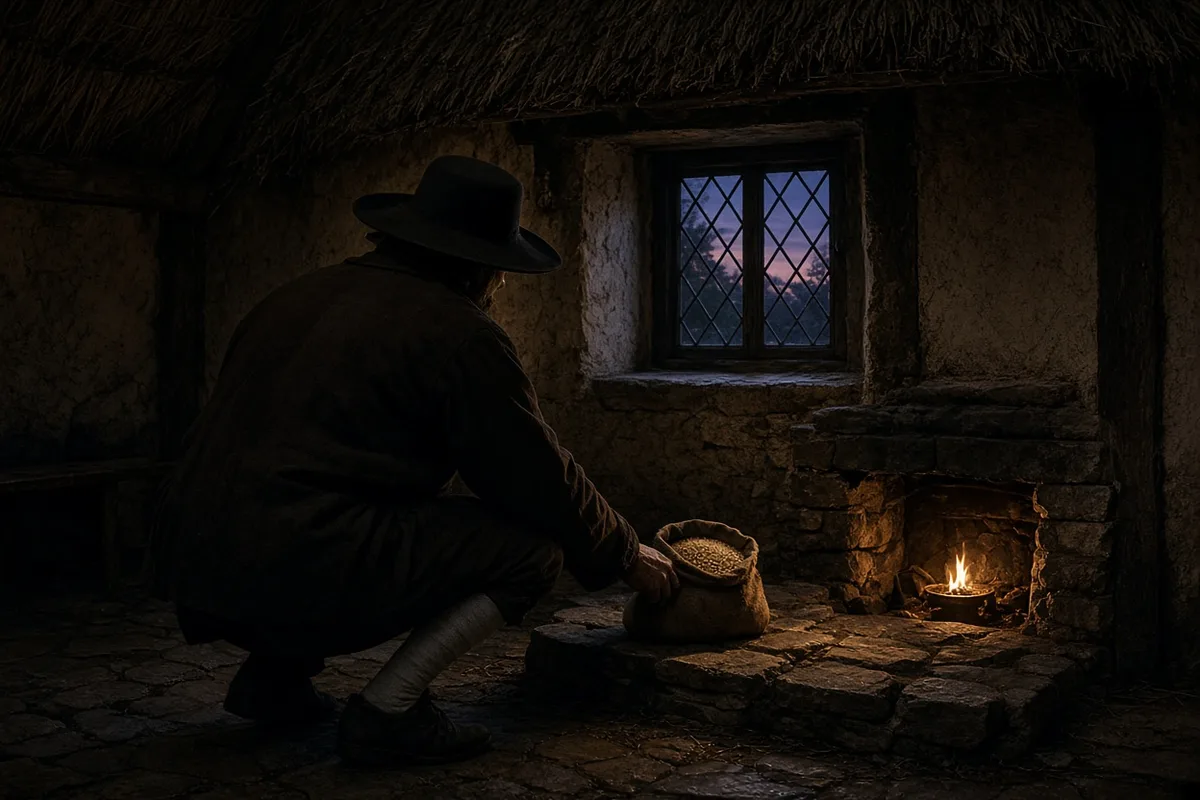
In the spring of 1891 I crossed again to the holding at Erriff. The cabin where Widow Joyce had lived now stood empty, its thatch replaced by slate in 1874 according to the rate book at the Westport poor-law office. A man named Michael Joyce, aged forty-two, worked the ridge where the second kitchen had stood; his daily return for 3 May recorded that he had planted the last of the Scotch seed stock on the lower acre. He showed the original receipt signed with the X in 1849 and asked whether the committee still kept the halfpenny rate for any remaining meal.
The Central Relief Committee held its final meeting on 15 October 1897 at the rooms in Dublin. Jonathan Pim’s successor recorded that the last £42 8s. had been transferred to the Newtown school for the purchase of six additional desks and a set of ledgers. The minute quoted the original 1847 instruction that “no distinction be made in the distribution on account of religious profession” and noted that the clause had been observed in every county where agents had served. The books were then placed in the oak case still standing against the east wall of the meeting house.
By 1904 the model farm at Ballinode had passed into the hands of the Department of Agriculture under an act dated 1 August of that year. The lease book entry for 23 September shows that the trustees retained only the right to inspect the drainage works once each quarter. The inspector’s report for 12 November listed the oat yield at 17 barrels per acre on the twenty-three acres formerly held by Patrick McHugh, with the figures entered in the same ruled columns used for the 1853 returns.
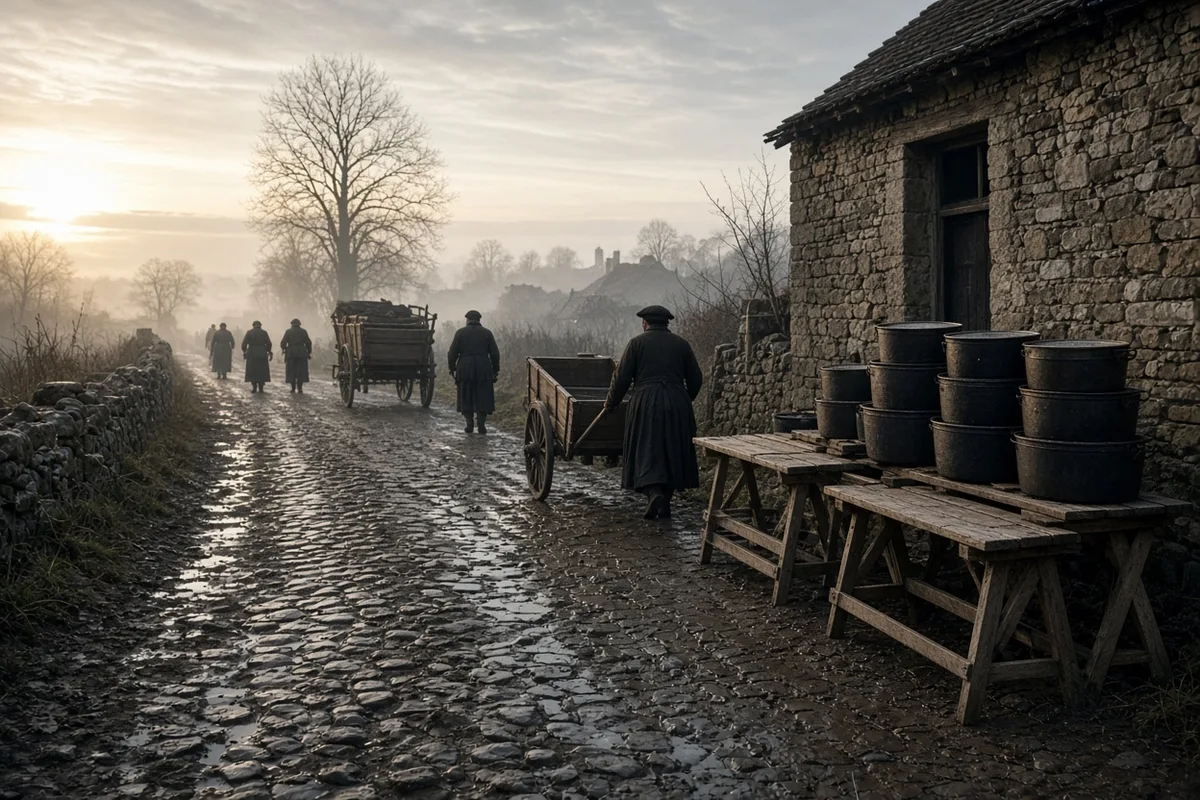
I visited the school at Mountmellick on 4 June 1911. The day book recorded that three pupils whose fees had been paid from the 1847 balance still attended, one of them the granddaughter of the woman who had measured oatmeal in the Cork market in 1883. Her name appeared as “A. Sullivan, admitted 1907, fees remitted under the relief minute of 1847.” The headmaster read the entry aloud when I asked and pointed to the original wooden bowl, now kept on a shelf above the ledger, its chipped edge preserved under glass.
In the winter of 1922 the archives at Eustace Street were moved to the new repository at Rathfarnham. The clerk who packed the final box noted on the label that it contained the 1848 appendix together with the Westport daily returns for October 1847. One sheet listed the name “Widow B. Joyce” with the annotation “four children, 22 October, turf supplied.” The box was sealed on 18 December and carried by the afternoon train.
On the morning of 11 May 1937 I stood once more at the market square in Cork. A man of seventy-two, the son of the woman who had kept the stall in 1883, measured oatmeal into a tin can for a customer who had walked in from the same townland north of Macroom. He set the measure down, looked at the old name, and said the price had risen again that week to fourpence a pound. The wooden bowl rested on the counter, its chipped edge still visible beneath the morning light.