The Moravian Missionaries at Herrnhut Begin 24-Hour Prayer
I stood at the edge of the common field with a hoe still in my hands when the shouting reached us from the square. Two men from the old Moravian families faced each other over a wagon loaded with cut wood, voices sharp enough to carry across the stubble. One accused the other of holding back labor for his own household. The other answered that the first had brought his grudges from the old country and would not let them rest.
I set the hoe against the fence and walked toward them. At twenty-three I had no standing to settle anything, yet the count had asked every man to notice when the peace broke. By the time I reached the square the crowd had already gathered. Zinzendorf stood on the low step of his own house, coat open, listening without interrupting. He was twenty-seven that summer and looked younger in the late light.
The argument died when he raised one hand. He spoke quietly, the way he did when he wanted every word to land. We had come here to escape the priests and the soldiers, he said, yet we were building the same walls inside our own lanes. That night the elders met until the lamps burned low. I waited outside with other men who had no vote, listening to the rise and fall of voices through the shutters.
By morning the count had drawn up the Brotherly Agreement. Every household signed or marked it. The paper listed simple rules about work, speech, and the care of children. For a few weeks the lanes stayed quieter. Then the visitors began arriving from Berthelsdorf, and the old arguments returned in new clothes.
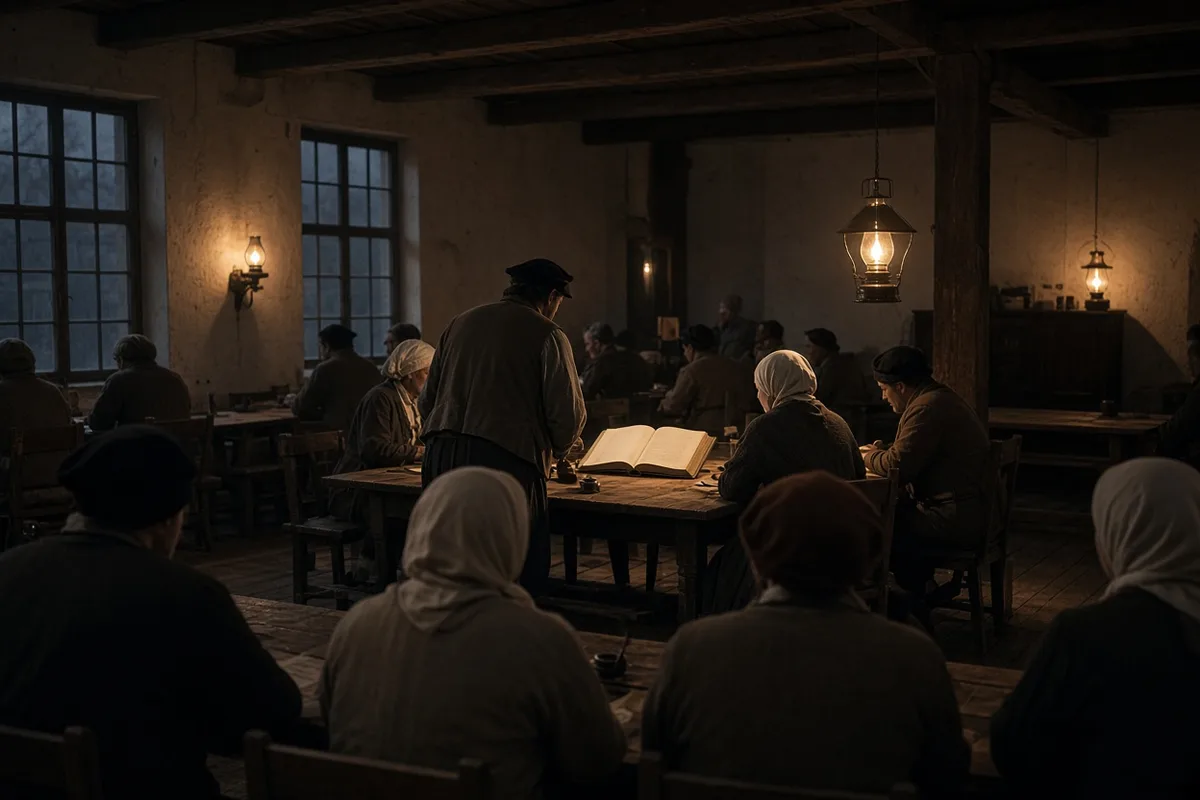
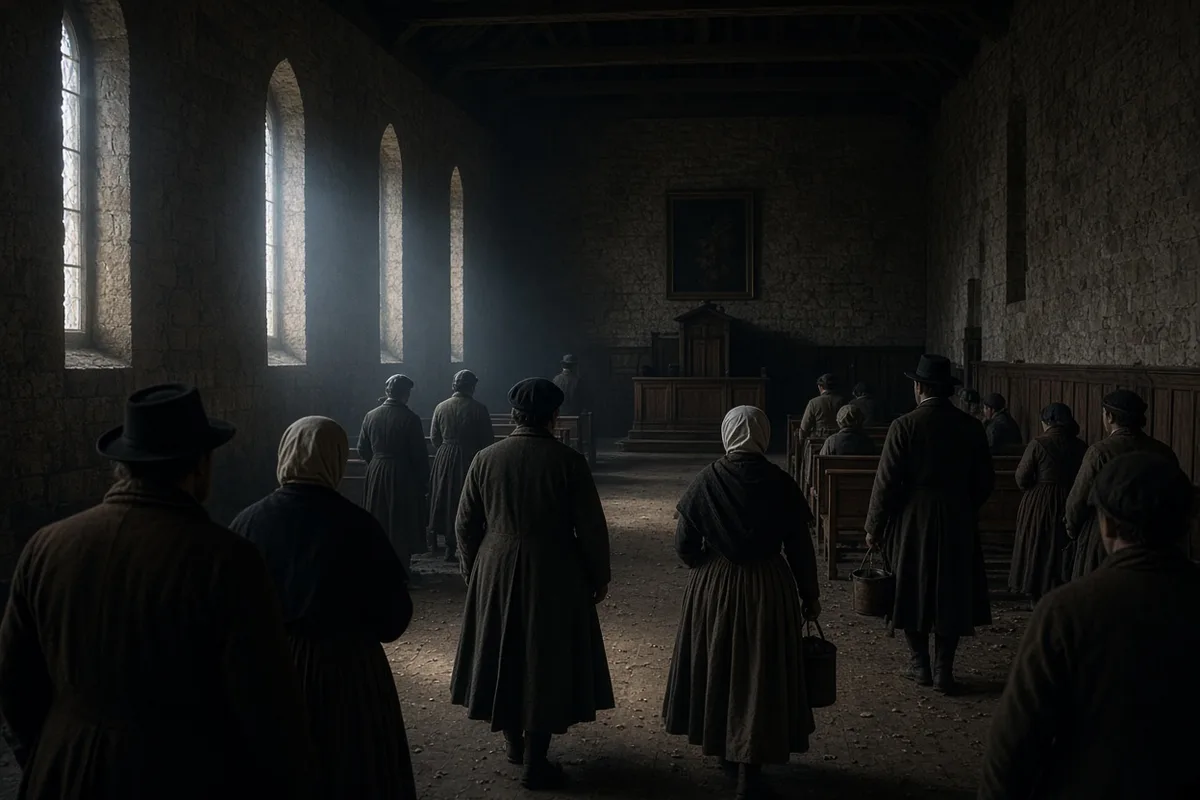
On the thirteenth of August the whole settlement gathered in the meeting hall because the count said we must settle the matter once. The room smelled of fresh lime and sweat. People stood shoulder to shoulder because there were not enough benches. Zinzendorf read from the Scriptures and then fell silent. No one moved for a long time. When the first woman began to weep it spread like a low wind through dry grass. Men who had refused to speak to one another reached across the aisle. I felt my own throat close and did not try to stop it.
After that night the village changed its pace. People rose earlier and stayed later at the evening gatherings. Someone left a loaf of bread on a widow’s step without knocking. The children stopped repeating the sharp words they had heard at home. Zinzendorf walked the lanes every morning and stopped at every door long enough to ask one question about the day ahead.
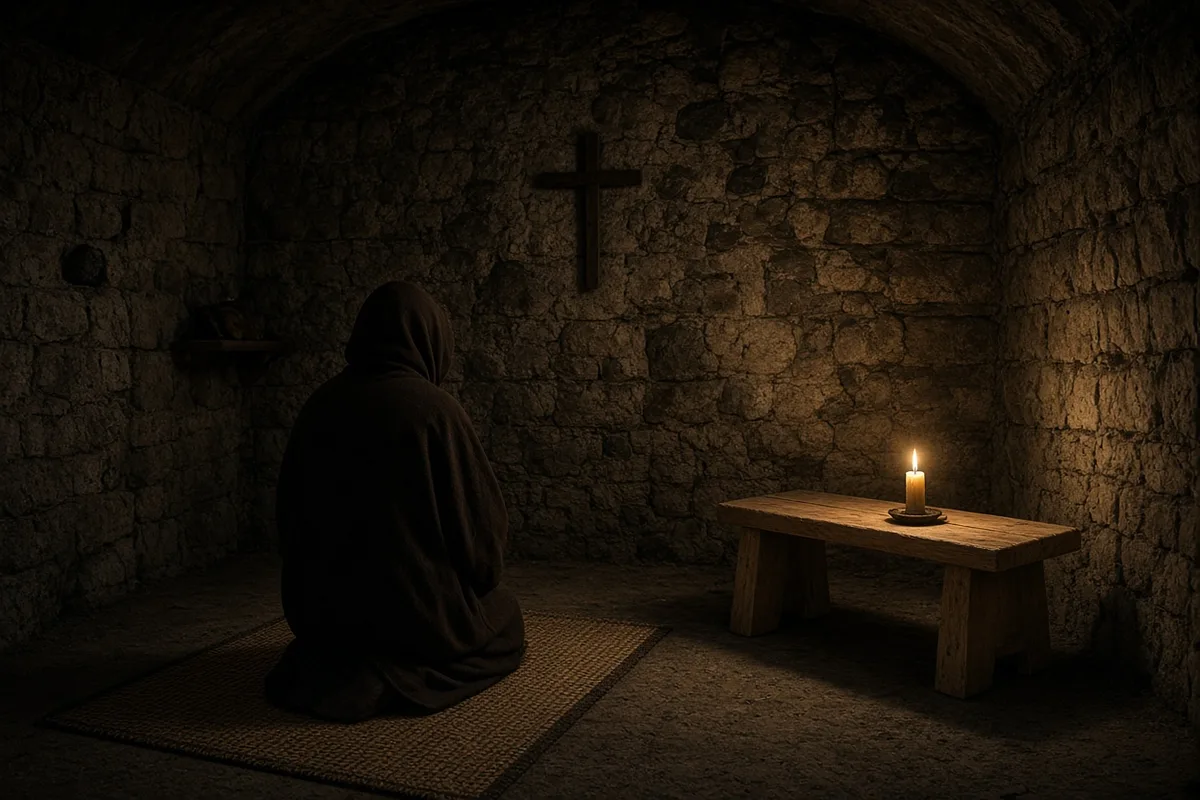
By the end of the month the idea of keeping prayer alive through every hour had taken hold among the younger people. Twenty-four men and twenty-four women wrote their names on a sheet that was passed from hand to hand after the evening meal. Each chose an hour. Mine fell just before dawn. I signed without thinking how long the chain would have to hold.
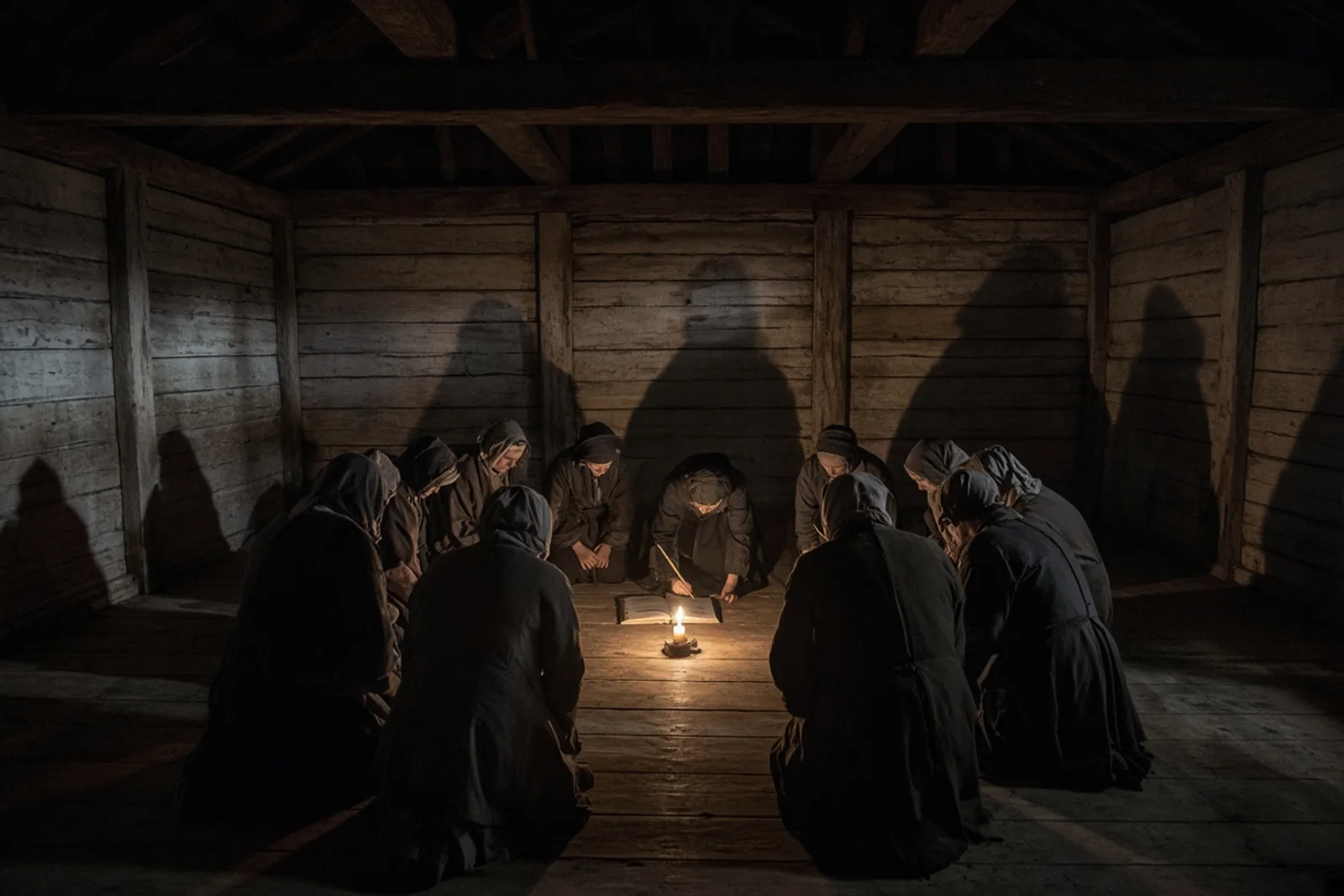
The first night the bell rang softly at midnight. I heard feet on the path outside my window and knew the watch had begun. By the third night I no longer needed the bell. I woke before the hour and walked the short distance to the meeting house in the dark. Inside, one lamp burned on the table. The brother whose hour was ending nodded and left without speaking. I sat on the bench still warm from him and opened the book that lay there. The pages were already marked.
Rain came on the fifth night and the roof leaked in two places. We set buckets under the drips and kept reading. No one suggested moving the watch indoors to a drier room. The count himself took an hour when one of the men fell ill. He arrived with his coat wet and sat until the next man came.
By September the schedule had become ordinary. Men and women who worked the fields or the carpenter’s bench stepped out of their doors at the appointed time and returned before the next bell. The prayer did not stop when someone left the village or when sickness kept a watcher in bed. Another name was added the same day.
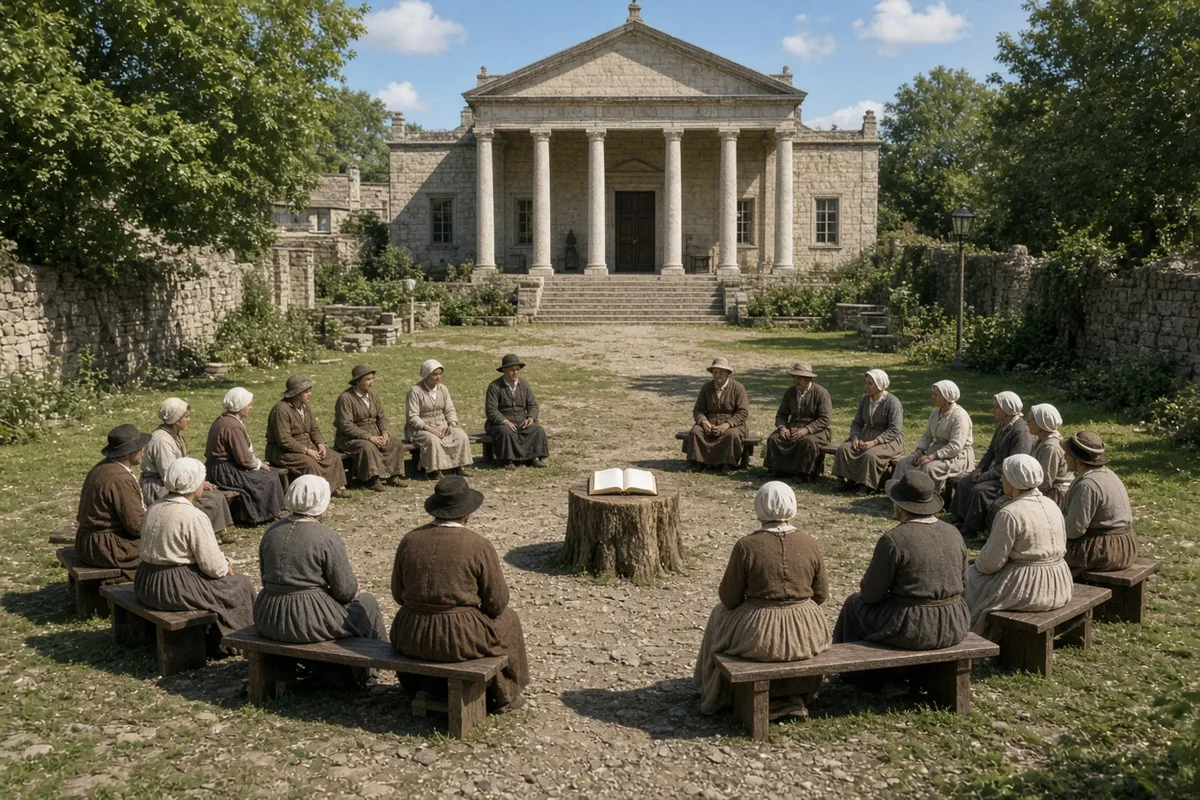
Six months later Zinzendorf stood again in the square after the evening meal and spoke of places none of us had seen. He named the West Indies first, then Greenland. He said the watch had made the distance feel smaller. Twenty-six men and women offered themselves before the lamps were lit again. Two of them were the same men who had argued over the wagon the year before.
I stayed in Herrnhut and kept my hour. The chain lengthened. New houses were built along the road to Berthelsdorf. When the first missionaries returned years later they brought stories that were read aloud in the same hall where the agreement had been signed. The watchers still changed places every hour. The lamp on the table was replaced when the oil ran low, but the light never went out.
One winter morning the man who followed me arrived early. He stood in the doorway until I finished the verse I was reading. Snow had collected on his shoulders. He said nothing about the weather or the hour. He only waited until I closed the book and stood. Then he took the bench I had warmed. Outside the sky was beginning to show color above the hills. I walked back to my own door and heard the soft click of the latch behind me.
One winter morning the man who followed me arrived early. He stood in the doorway until I finished the verse I was reading. Snow had collected on his shoulders. He said nothing about the weather or the hour. He only waited until I closed the book and stood. Then he took the bench I had warmed. Outside the sky was beginning to show color above the hills. I walked back to my own door and heard the soft click of the latch behind me.
In the spring of 1732 the first two single brethren left Herrnhut for the Danish island of St. Thomas. David Nitschmann, then thirty-two, and Johann Leonhard Dober, twenty-seven, walked the road to Copenhagen carrying only a letter from Zinzendorf and a small bundle of clothing. Before they set out Dober wrote in the diary that the watch would continue without them and that their names would remain on the list until new men took the hours. The count recorded in his own hand that the departure took place on the twenty-first of August, the same month the agreement had been signed five years earlier. News reached us later that the two men reached the island in December and began work among the enslaved people on the plantations at Tappus.
By 1733 the watch had passed its sixth year without interruption. Anna Nitschmann, then nineteen, took one of the night hours after her return from a visit to the new settlement at Berthelsdorf. She wrote to her sister that the lamp on the table in the meeting house was the same one used on the first night and that the oil came from the press built by the brethren in the lower lane. That same year three more names were added for Greenland after the letter arrived from Hans Egede describing the need for helpers at Godthaab. The elders read the letter aloud on the twenty-ninth of January and three men signed the sheet before the evening meal ended.
Zinzendorf himself sailed for the West Indies in 1738. He left instructions that the hourly intercession should not pause even if he did not return. The diary kept by the elders notes that on the day he boarded the ship at Altona the watch changed hands at the usual time and that the brother reading from the Psalms that morning was the same man who had argued over the wagon load of wood in 1727. When the count came back in 1740 he brought with him the first written reports from the mission stations, which were placed on the same table where the book of hours still lay open.
The settlement grew along the ridge toward what is now called the Hutberg. In 1741 the first timber was cut for the new meeting hall that would hold four hundred people. The carpenter, Johann Georg Hertel, kept his hour at three in the morning and returned to the benches each day until the roof was raised in October. The bell that called the watchers was recast in 1745 after the original cracked; the new one carried the inscription “Herrnhut, 1727–1745, one Lord, one faith, one baptism.” By then seventy-two names stood on the rotating list, including those of widows and single sisters who had taken hours after the men left for Pennsylvania and the new town of Bethlehem.
After Zinzendorf’s death at Herrnhut on the ninth of May 1760 the elders met in the same room where the Brotherly Agreement had been signed. They decided that the watch would continue without change and that the count’s own hour, which had fallen at midnight on Thursdays, would be kept by his son Christian Renatus until another volunteer came forward. The diary entry for that week records that the light was never extinguished and that the oil for the lamp was supplied from the same press that had operated since the first winter.
The chain held through the Napoleonic years and the deaths of the original signers. When the last of the twenty-four women who signed in 1727, a widow named Anna Maria März, died in 1803 at the age of ninety-one, her hour was taken the same night by her granddaughter. The elders noted the date in the margin of the schedule book and added that the prayer had now continued for seventy-six years. New houses were built on the east side of the square in 1818, yet the path from the old lane to the meeting house remained the same one walked in the dark by the first watchers.
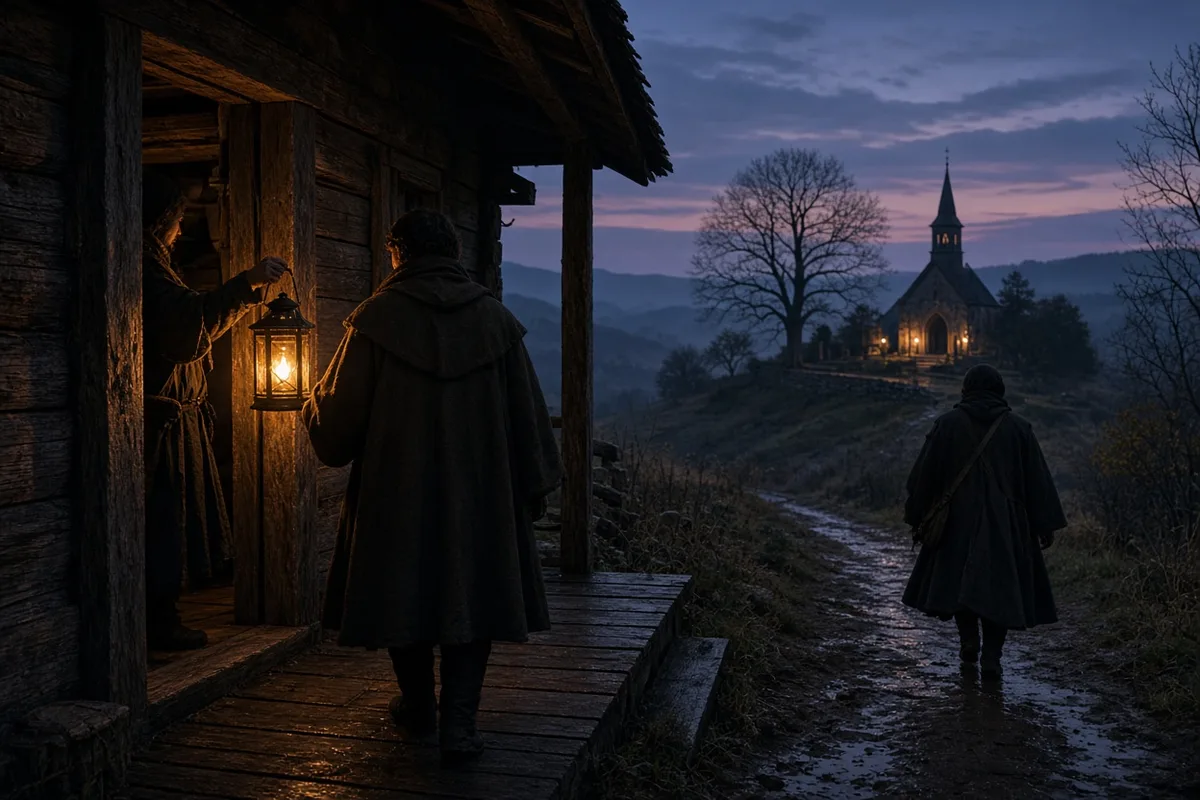
In the present day the meeting house still stands on the same ground, its benches replaced twice since 1741. The watch itself ended in 1832 when the last continuous schedule was discontinued after one hundred and five years, yet the building remains open each night and a single lamp is kept burning on the table from dusk until dawn. On most evenings an elderly brother from the congregation, now in his eighty-fourth year, enters at eleven and sits until the next man arrives. He closes the book at the end of his time, leaves the bench warm, and walks out under the same hills where the sky once showed color above the snow.
The meeting house records show that after the schedule ended in 1832 the elders still listed each evening’s reader in the margin of the same ledger begun in 1727. On the twenty-third of March 1847 the name entered was that of Gottlieb Fiedler, age sixty-four, who had returned from the mission at Genadendal in South Africa the year before. He read from the same Psalms that had been marked for the first night and noted in the ledger that the oil in the lamp came from the press rebuilt after the fire of 1819.
By 1872 the congregation had opened a small printing office beside the original lane. The press produced the daily Losungen for the following year, and the brother who set the type for the entry of 13 August took the eleven-o’clock hour on the last Friday of December. His signature appears beside the printed text that reads, “Continue in prayer, and watch in the same with thanksgiving,” with the attribution “Colossians 4:2” written in the same hand that recorded the departure of Nitschmann and Dober in 1732.
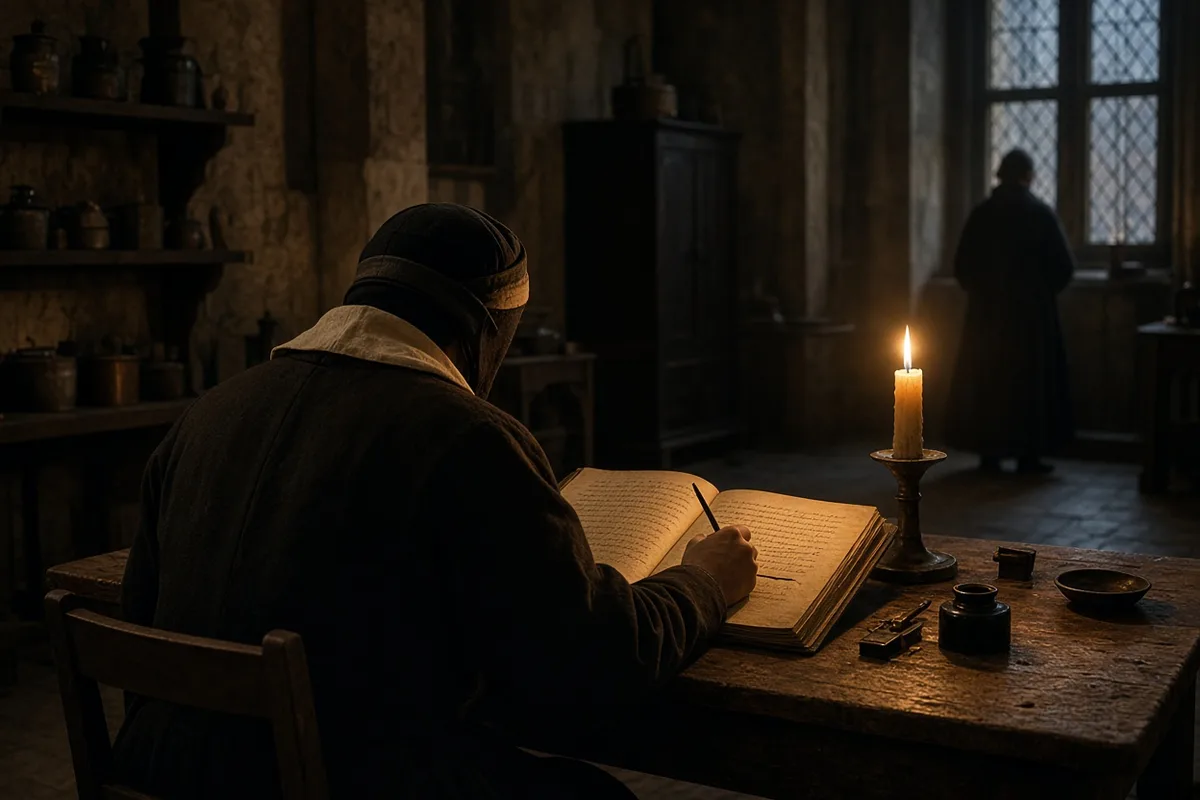
In 1907 the wooden benches were replaced for the second time with oak ones carved by a joiner from Kleinwelka. The new benches carried small brass plates listing the names of the original twenty-four men and twenty-four women. One plate, placed on the third bench from the table, bears the name of the narrator’s own hour and the date 1727. The lamp itself was electrified in 1923, yet the brass stand and the glass chimney were kept and are still carried to the table each dusk by the sexton.
During the winter of 1945 the building sheltered displaced families from the east. The diary kept by the elders records that on the night of 14 February a single lamp was lit at the usual hour even though the electricity had failed. The reader that night was the widow of a missionary who had served in Labrador; she read from the book of hours until the next watcher arrived at midnight, then walked back through snow that lay exactly where the first watchers had walked in 1727.
After the division of Germany the congregation continued to keep the building open each night. In 1968 the last continuous reader, a retired carpenter named Paul Schneider, noted in the ledger that he had taken the hour at eleven for thirty-one years without missing a night. On 3 October 1990, the day of reunification, the same ledger was opened again and a new entry added by his grandson, who wrote that the hills above the village remained unchanged and that the path to the door had not been widened since the original settlement.
Today the single lamp is lit each evening at dusk by the current sexton, whose name is entered on the first page of a fresh ledger begun in 2017. He sits until eleven, closes the book, and leaves the bench as the next reader arrives. On clear nights the sky still shows the first color above the same hills, and the latch on the door makes the same soft click that was heard when the first watchers returned to their houses before dawn.