



Engineers use WhatsApp to guide rescuers through buried Nepal tunnels
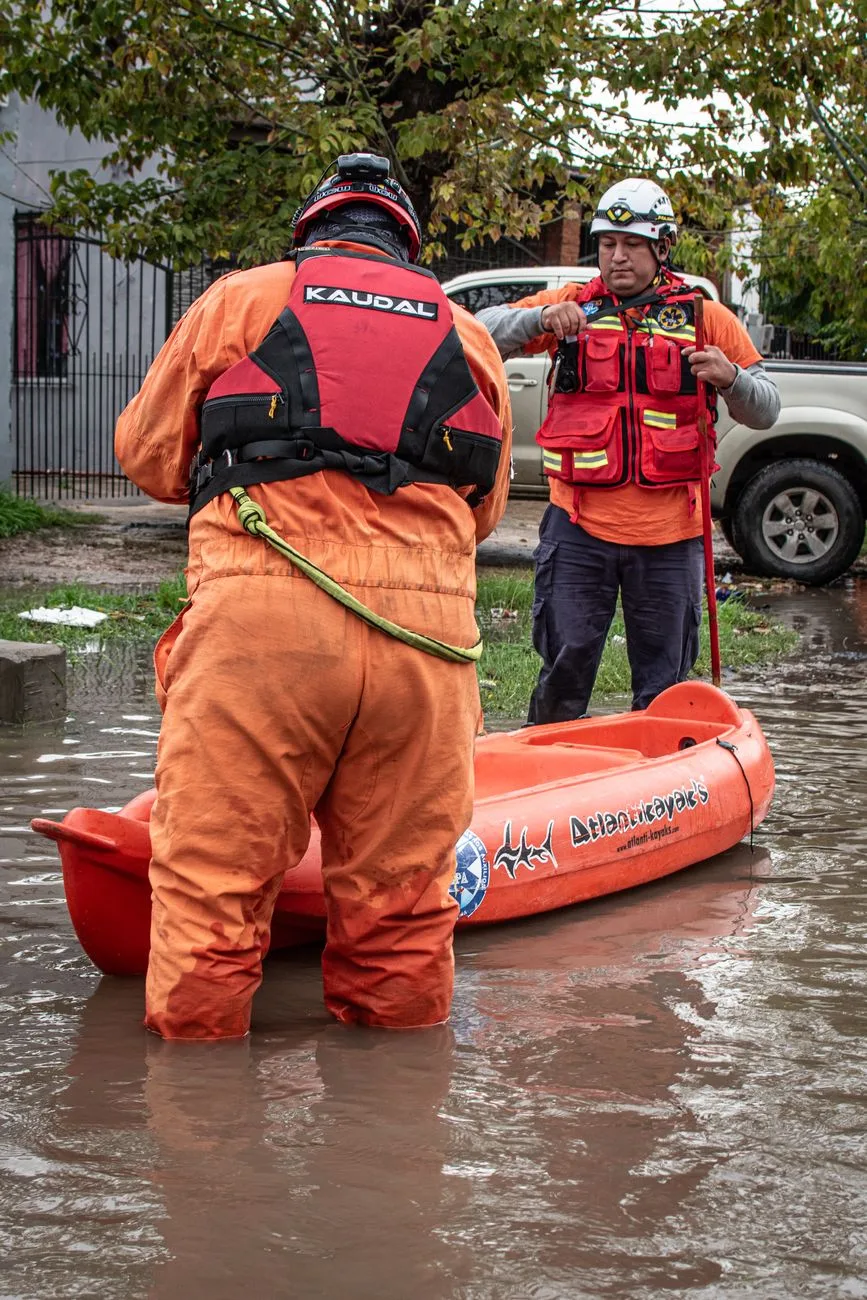
After a glacier collapse triggered massive flash flooding in Nepal’s Trishuli Valley on August 26, engineers formed and expanded a WhatsApp group that has become a real-time command hub for rescue teams searching buried hydropower tunnels. With more than 500 participants, the network shares hydropower plant blueprints, access-tunnel layouts, and guidance on how to navigate altered terrain and heavy debris, where traditional maps are often rendered useless. The disaster has killed over 1,200 people and left more than 4,000 missing, including roughly 900 workers associated with six hydropower facilities, some of which were under construction. Authorities suspect some missing workers may have sheltered in, or been swept into, tunnels, though about 2.2 million tonnes of mud and debris have buried entrances and shifted tunnel structures. During searches, rescuers have used the chat to request and quickly receive schematics—for example, at the 22 MW Chilime hydropower plant and the Rasuwagadhi facility—while officials say no survivors have been found yet but estimate potential trapped workers at both sites. The approach has drawn attention from emergency-management agencies as a model for integrating civilian technical expertise into disaster response using secure messaging.
Where do you stand?