




17 Chilean Miners Rescued After 69 Days
All 33 miners emerge alive after record underground ordeal.
FaithTap · Oct 1, 2026 · 11 min read
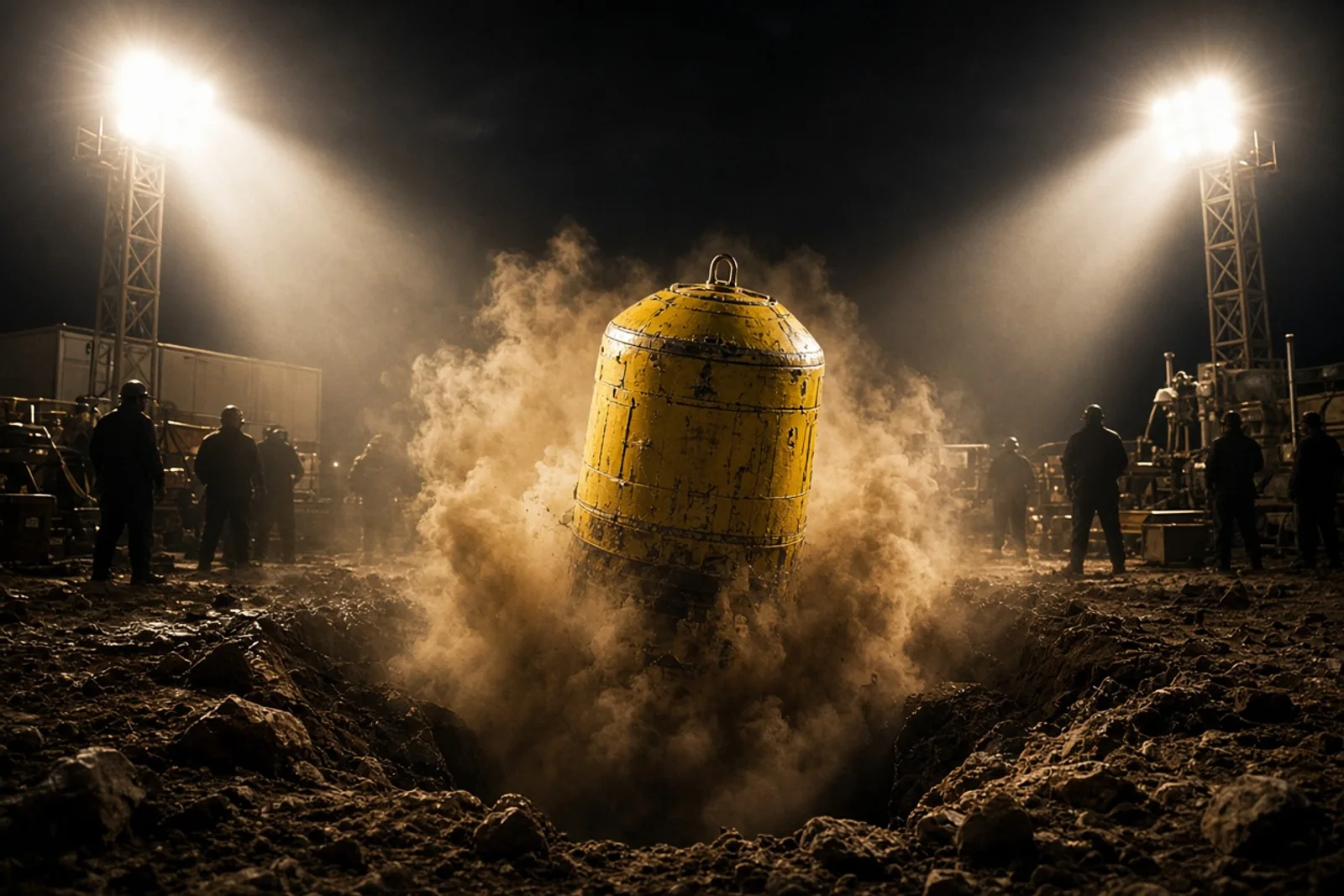
The capsule shuddered against the sides of the shaft as the winch slowed. I stood at the rim with two navy technicians, one hand on the guide cable, the other shielding my eyes from the glare of the arc lamps. The desert air had turned cold again after the day’s heat, and the metal under my boots vibrated with every turn of the drum.
A siren began its long wail. The top of the capsule rose into view, streaked with dust and grease. Inside, a miner sat strapped upright, knees nearly touching his chest. He blinked hard at the lights. When the hatch opened, hands reached in and pulled him clear. He stood on his own, then dropped to one knee and crossed himself. Someone wrapped a Chilean flag around his shoulders. The crowd beyond the barriers roared.
That was the first. We had twenty-two more hours ahead.
I had been at the site since the drilling crews broke through the rock three weeks earlier. My job was simple enough on paper: keep the area clear, help move equipment, watch the monitors when the capsule descended. After the first ascent I stayed at the head because no one told me to leave. The families had set up their own camp on the slope above us, thirty-three flags on poles that snapped in the wind. At night the flags glowed under portable lights.
The second man came up an hour later. Mario Sepúlveda stepped out grinning, waving a small Chilean banner he had carried down with him. He shook every hand he could reach before the medics steered him toward the waiting ambulance. His voice carried over the radio chatter: he wanted to show the country they were still standing.
By the fifth ascent the pattern had settled. Siren, capsule, hatch, embrace. Some men came out pale and silent. Others shouted names into the dark until they found their relatives on the big screen. The shaft was 624 meters deep. Each trip took roughly twenty minutes down and the same back up. The capsule was painted red, white, and blue so no one would mistake it for anything else.
I moved between the winch controls and the medical station, carrying blankets and water bottles. The air at the surface smelled of diesel and dust. Below, the miners had lived on the same canned tuna and dried fruit for the first seventeen days, then on whatever the drills could send down once contact was made. Luis Urzúa had divided the food into portions. He had also drawn the work shifts that kept thirty-two men moving instead of waiting.
The night stretched. The tenth miner emerged at three in the morning. His eyes were raw from the sudden light. A nurse checked his pulse while he asked, quietly, whether his wife was still waiting. She was. He saw her on the screen and began to cry without sound.
President Piñera arrived before dawn. He stood at the edge of the shaft in a dark jacket, hands clasped behind his back. He spoke to each arriving family through the barrier. When the seventeenth capsule surfaced he stepped forward and helped steady the miner as he climbed out. The man’s name was José Henríquez. He embraced the president, then turned and saluted the crowd.