




Blaise Pascal Has His Night of Fire
Pascal records a profound conversion experience in his Memorial.
FaithTap · Sep 22, 2026 · 11 min read
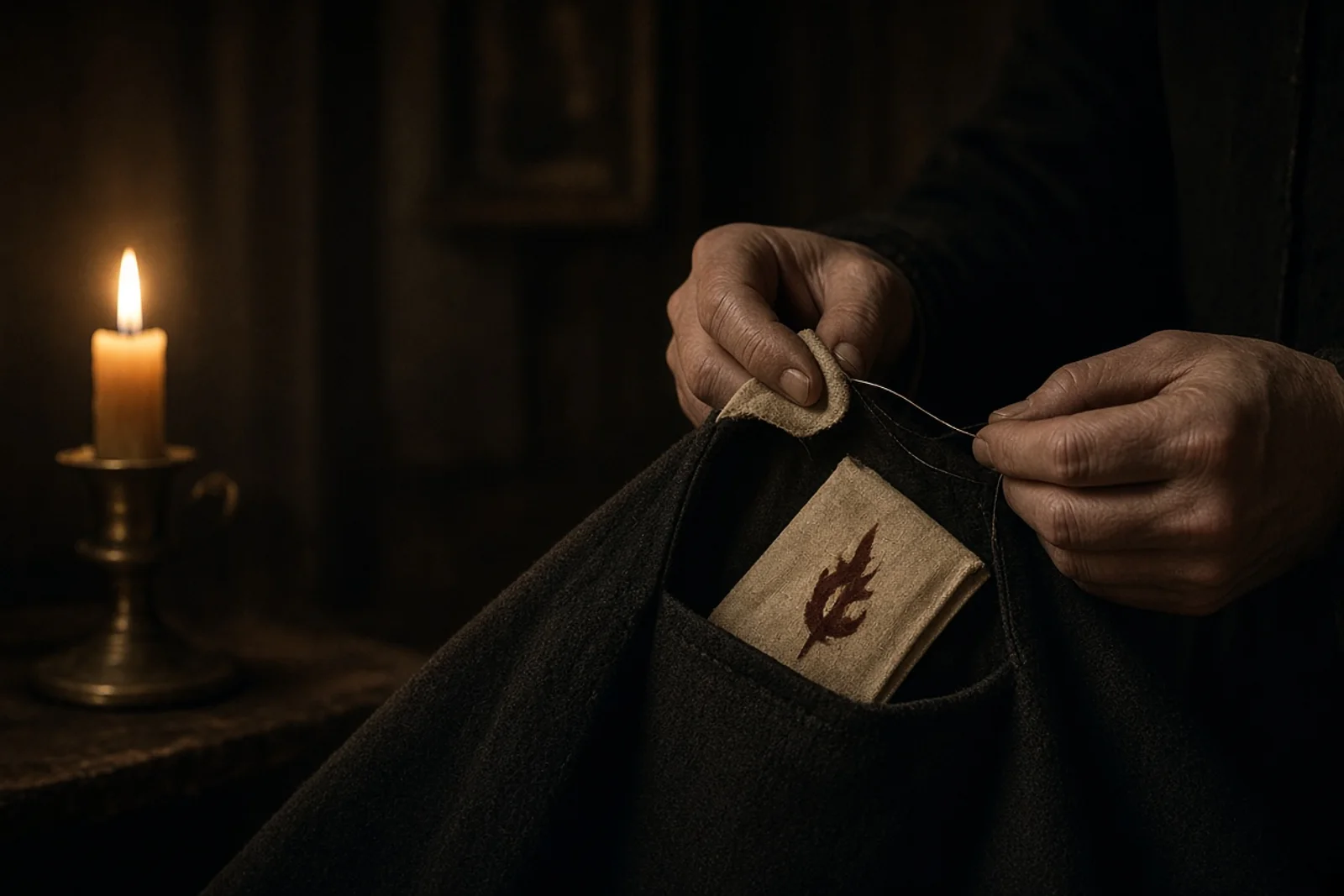
The lamp in the outer room had burned low. I was still sorting the day's calculations when the door to his chamber closed. It was not a slam, only the soft click of the latch, yet it carried through the quiet house like a stone dropped into water.
I set the papers aside and listened. Footsteps crossed the boards once, twice, then stopped. From the street below came the last carriage wheels on wet stone and a watchman's call that faded into nothing. The hour felt later than it was.
He had spoken little at supper. The talk turned to the Jansenist troubles at Port-Royal, but he answered only with short nods. When the others left he remained at the table, staring at the grain of the wood as though the answer to some long sum lay hidden there.
I rose and moved closer to the wall that divided our rooms. Through the plaster I heard breathing, quick and uneven, then a single word spoken so low I could not catch it. A chair scraped. Silence followed, long enough that I wondered whether he had left by the back stair.
Then the sound came again, not speech this time but a low, broken note that might have been laughter or pain. I stayed where I was, hand on the plaster, until the boards creaked under my own weight and I stepped back.
The clock in the corridor struck the half hour past ten. I counted the strokes and tried to return to the figures on the table, yet the numbers blurred. From the other side of the wall a name rose, repeated three times, each one clearer than the last. Abraham. Isaac. Jacob. The voice was his, but altered, as if someone else stood in the room and answered through him.
I did not knock. The door was not locked; it never was when he worked late. I pushed it open a hand's width and saw him on his knees beside the bed, coat still buttoned, head bent so that the candle on the table threw his shadow across the ceiling like a great wing.
His hands were pressed together hard enough that the knuckles showed white. Between the fingers a folded paper showed, already creased as though it had been carried all day. He did not turn. The candle flame bent once, twice, then steadied, and in that steady light his shoulders began to shake.
I closed the door again without sound. In the corridor the air felt colder than it had an hour earlier. I walked the length of the house and back, listening at each door, yet no one else stirred. The servants slept. The street had emptied.