




Canonization Miracle of St. Martin de Porres
Child healed of gangrene
FaithTap · Oct 2, 2026 · 10 min read
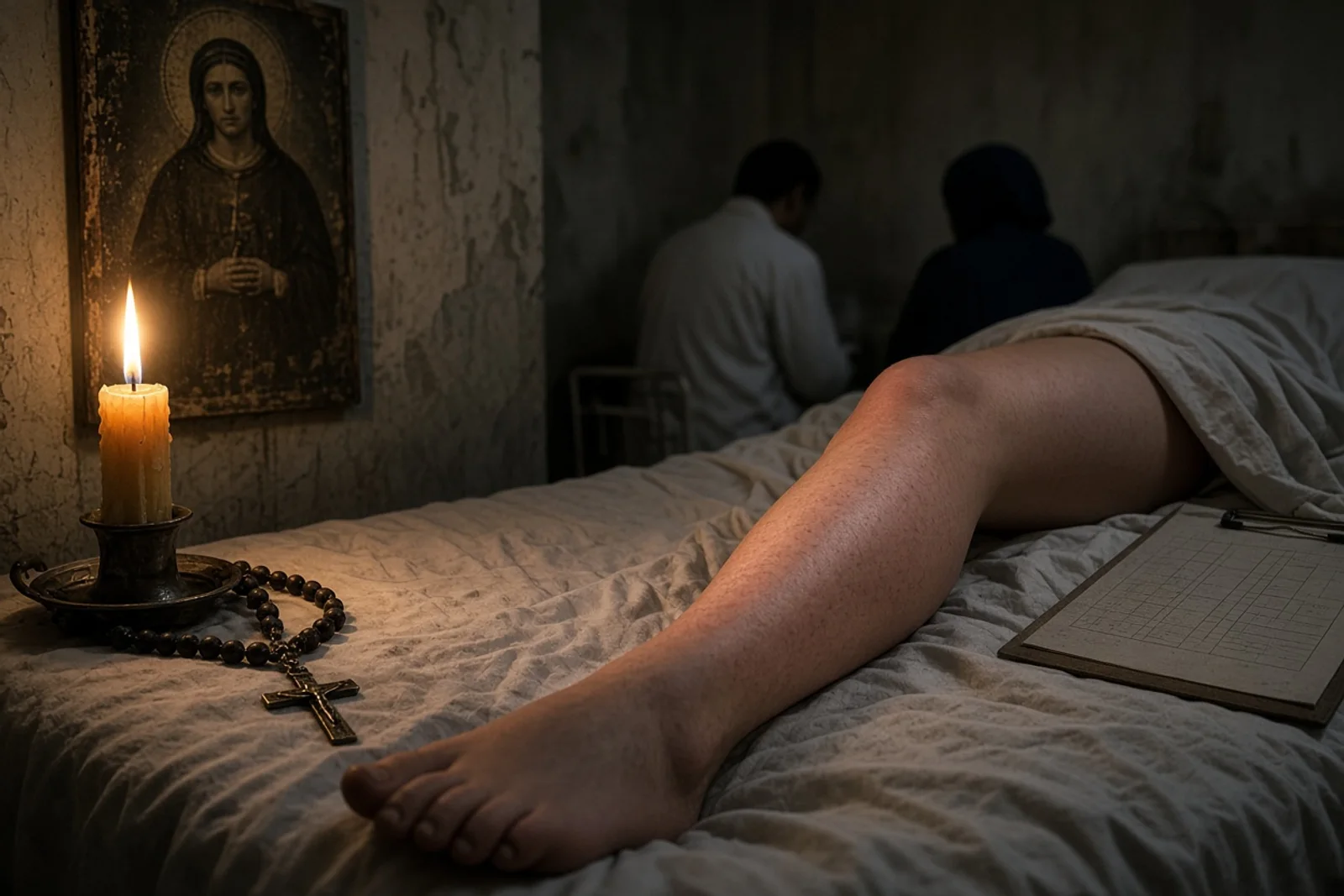
The boy lay on the narrow cot with his left leg wrapped in stained gauze that reached past the knee. I had just come on shift and the smell of the ward hit first, like overripe fruit left in the sun. The other children were quiet that morning, watching the door whenever footsteps passed. Antonio’s mother sat on the wooden stool beside him, her hands folded so tightly the knuckles showed white.
A block of cement had fallen on him days earlier while he climbed a half-built roof in Garachico. The doctors had already said the blood no longer reached the foot. They had pulled away strips of black flesh and left the leg open to the air. Each time they changed the dressing the boy bit down on a rolled cloth and stared at the ceiling.
On the last day of August the surgeon came with two assistants. They spoke at the foot of the bed, voices low. Amputation was set for the next morning. The boy’s temperature had climbed again and the skin above the wound had begun to yellow. His mother asked no questions. She only nodded once and stayed where she was.
That same afternoon a cousin arrived from Las Palmas carrying a small printed card. He placed it on the sheet and told her there was nothing else left to try. The mother took the card without speaking and set it against the boy’s thigh once the men had gone. She stayed awake through the night, lips moving, the card never moved from its place.
I came back at dawn to prepare the boy for the operating room. The surgeon’s orderly was already waiting with the stretcher. When the bandages were cut away the room went still. The flesh that had been dark and slack now showed pink at the edges. Color had returned below the knee. The surgeon pressed two fingers against the ankle and waited, then pressed again. He sent for the other doctor on duty.
They examined the leg together for several minutes. No one spoke. The orderly rolled the stretcher back into the corridor and left it there. The surgeon wrote something on the chart, crossed it out, and wrote again. By mid-morning the surgery had been cancelled.
The improvement held through the following days. On the second of September another physician, Miguel Lopez, came from the main hospital in Santa Cruz. He examined the boy, tested the pulses, and left without ordering any further procedure. Seven days after the night the card was placed, Antonio was discharged. He walked with a limp and a long scar, but the leg was whole.
Word of what had happened reached the Dominicans within weeks. A formal inquiry opened under the bishop. The family was instructed not to discuss the matter. Tribunal members arrived from Rome and questioned the parents for hours at a stretch. They questioned me as well, though briefly, because I had only been the one who removed the final bandages.
One of the doctors who had first recommended amputation was an atheist named Angel Capote. He was called to testify. He stated that from a medical standpoint the reversal had no explanation. Months later he asked for instruction in the faith and was received into the Church.