




Canonization Miracle of St. Pio of Pietrelcina
Child healed of lung disease
FaithTap · Oct 1, 2026 · 12 min read
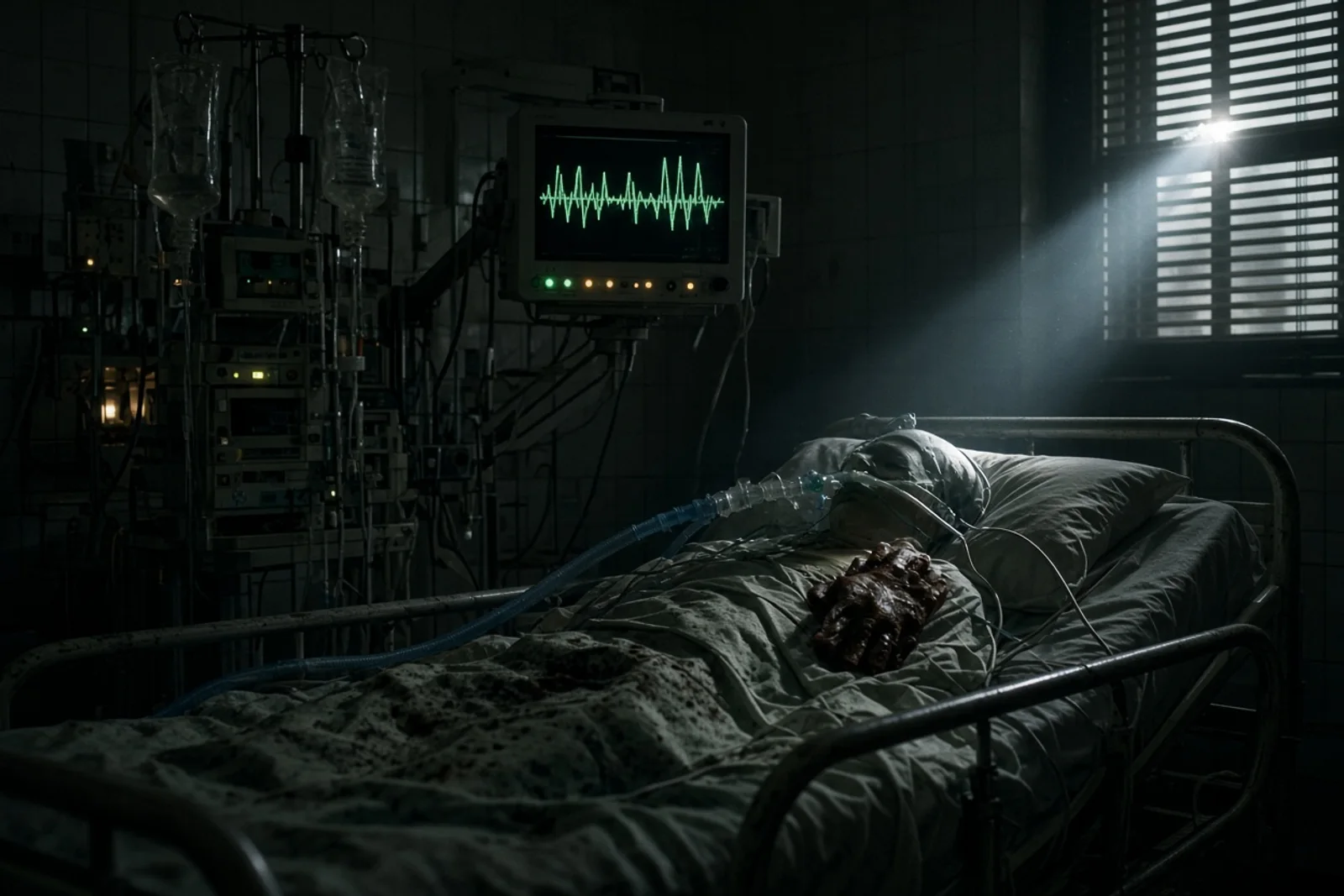
The monitors in the intensive care unit hummed their steady lines across the dark. I checked the drip on the boy’s arm for the third time in an hour, though nothing had changed. Matteo’s skin had taken on a gray cast that no amount of light seemed to touch. His father stood just outside the glass, still in his white coat from the day shift at the Casa Sollievo della Sofferenza, hands pressed flat against the partition as if he could push life back into the room.
By morning the senior consultant called the family together. Nine organs had stopped sending signals. Surgery was pointless. The words landed without echo in the narrow corridor. Matteo’s mother stayed at the bedside, rosary beads moving through her fingers while the Capuchin friars from the monastery down the hill arrived one by one. They brought no medical equipment, only chairs and the brown wool of their habits.
That second night the vigil began in the small chapel attached to the ward. I stayed on duty, moving between the machines and the door so I could hear both the alarms and the low voices praying. The friars read from the Gospel of John. Matteo’s mother never left the plastic chair beside the bed. At some point after midnight the line on the heart monitor shifted. I looked twice before I trusted what I saw. The rhythm steadied, then strengthened. Blood pressure climbed on its own. The boy’s chest rose without the ventilator pushing it.
I stepped into the chapel and told them. One of the older friars crossed himself and kept praying. The others followed. Within minutes the consultant was back, checking pupils, ordering fresh blood work. The numbers that had been flat now climbed toward normal ranges. No one spoke the word recovery yet, but the room had changed its sound.
Matteo opened his eyes two days later. He asked for water. When his mother leaned close he told her about the man in the brown habit who had stood at the foot of the bed. The man had a white beard and spoke softly. “Don’t worry, you will soon be cured.” The description matched no one on the ward that week. The friars listened without interrupting. Later they would write down the details for the bishop.
The hospital kept the boy another week for observation. Each day the tests came back clearer. The meningitis had left no measurable damage to the organs that had failed. The father, still in his white coat, began to eat again in the staff cafeteria. He never asked the medical team for an explanation; he simply thanked each nurse by name when shifts changed.
The diocesan inquiry opened the following spring. Doctors who had signed the death watch gave their records to a panel that included two specialists from Rome. The Capuchin witnesses repeated the boy’s description of the figure. No one on the commission claimed the cure could be explained by the treatment given. The case moved forward.
In December 2001 the Congregation for the Causes of Saints presented the decree to John Paul II. The miracle was accepted as the one required for canonization. Matteo, now eight, attended none of the meetings, though his mother kept a photograph of Padre Pio on the kitchen wall at home.
The canonization itself took place on a June morning in 2002. More than three hundred thousand people filled the square and the avenue leading to it. Buses had begun arriving before dawn. The heat rose from the stones by nine o’clock. Water trucks moved along the edges of the crowd, spraying mist that evaporated before it reached the ground. I stood with a group of hospital staff near the obelisk. We had traveled together from San Giovanni Rotondo.