




Chiune Sugihara Issues Visas in Lithuania
Japanese consul writes thousands of transit visas saving Jews.
FaithTap · Sep 26, 2026 · 9 min read
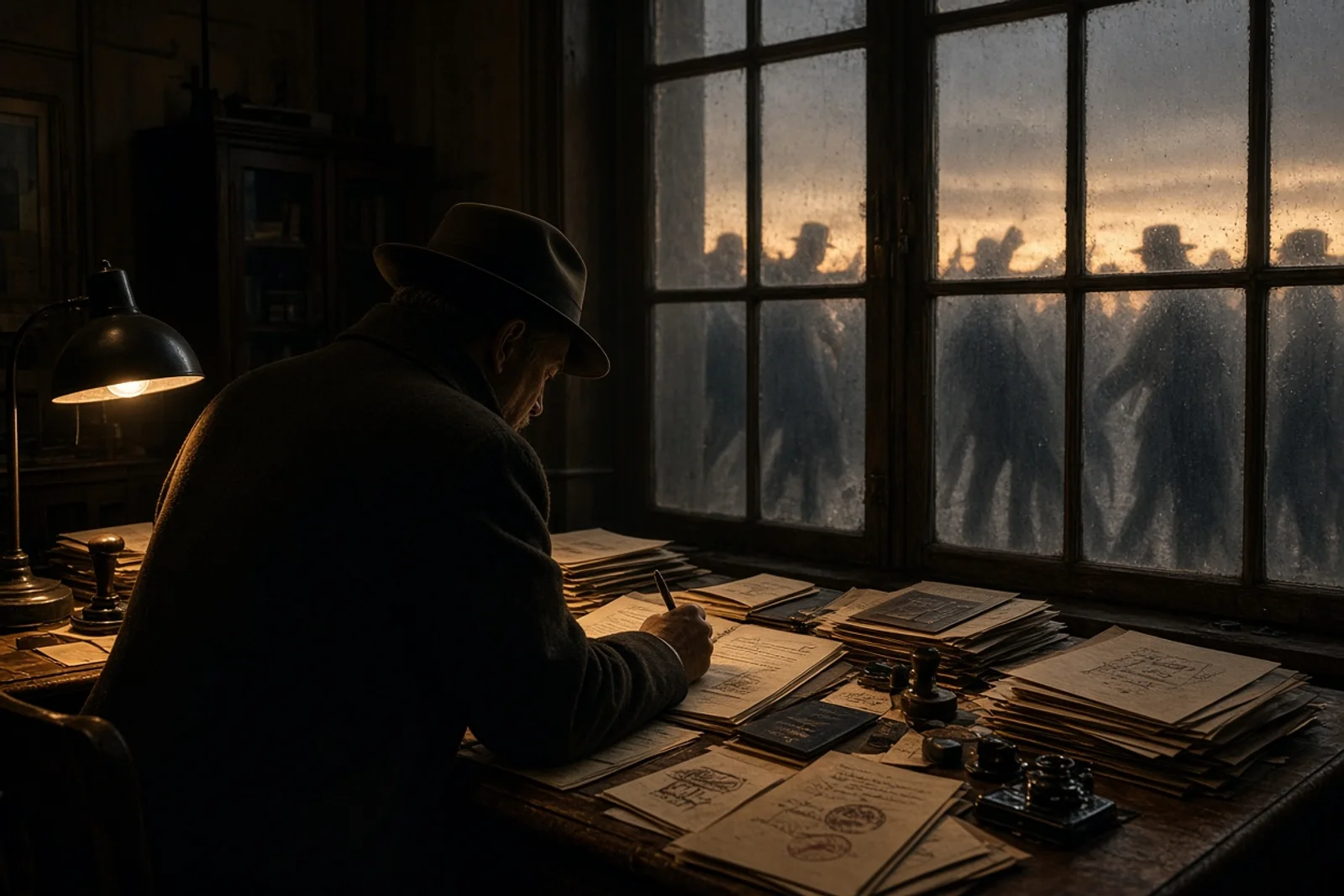
The line outside the consulate bent around the corner and into the next street. People shifted their weight from one foot to the other, passports and letters of introduction held tight against their chests. A woman in front of me kept repeating the name Curaçao under her breath, as if the word itself might open a gate.
I had come from Vilna two days earlier with nothing but a Soviet transit permit and the address of the Japanese office. The Dutch consul in Riga had already stamped a few dozen passports with the Curaçao notation, and word spread that the Japanese vice-consul might add the missing piece. No one knew how long the window would stay open.
On the third morning the door opened. Sugihara stood at the top of the stairs in shirtsleeves, his collar unbuttoned. He looked at the crowd for a long moment, then stepped aside and let the first group inside. Inside the office the air was thick with cigarette smoke and the smell of ink. He sat at a narrow table, dipped his pen, and began to write.
Each visa took less than a minute once he found his rhythm. Name, destination, the single Japanese character that meant transit. He signed in the same quick motion every time. The pile of stamped passports grew on his left. A secretary collected them and handed them back through the window without looking up.
By late afternoon the line outside had doubled. Sugihara did not stop to eat. His wife Yukiko brought tea and set the cup beside his elbow. She stayed in the room, sorting the blank forms so he would not have to reach for them. When the light faded she lit the desk lamp and stayed.
I reached the table on the fifth day. My sister stood beside me. Sugihara looked at the two of us, asked where we intended to go after Japan, and wrote the visas without waiting for the answer. He pressed the consulate seal into the paper and slid the documents across the table. My sister’s hands shook so badly she nearly dropped them. He raised one hand, palm open, as if to say the thanks were not needed.
Outside, people who had already received their visas waited to see who would come out next. Some had walked from as far as Warsaw. Others had come from the yeshivas in Mir and Slonim. The Soviet authorities had begun to close foreign missions, and every day the rumor ran that the consulate would shut by the end of the week.
Sugihara kept working past midnight. He had already sent three telegrams to Tokyo asking for permission to issue the visas on his own authority. Each reply repeated the same rule: a final destination visa and proof of funds were required. He set the telegrams aside and continued writing.
On the twenty-eighth of August the order came to close the office. Sugihara packed the remaining forms into a briefcase and carried them to the railway station. Refugees filled the platform. He climbed into the carriage, opened the window, and began handing out the last visas he had prepared. Some people reached up and caught them in mid-air. Others pressed blank sheets of paper against the carriage side so he could stamp them as the train began to move.