




David Brainerd Prays for Native Americans in Snow
Missionary journals show sacrificial intercession.
FaithTap · Oct 2, 2026 · 10 min read
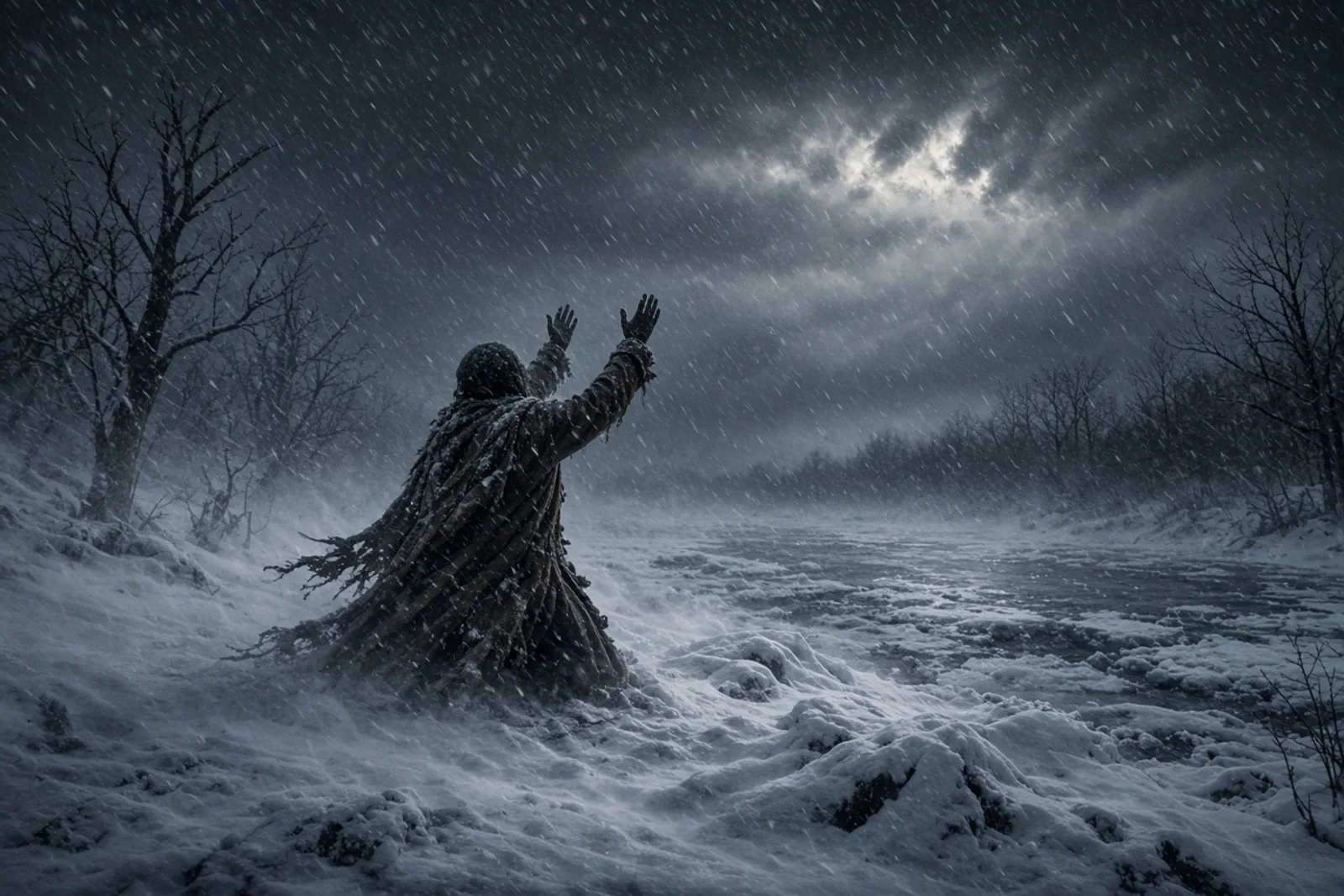
The wind cut across the clearing like a blade, flinging dry flakes into my face as I followed the trail of moccasin prints. Brainerd had gone ahead alone again, his figure small against the white slope. I carried the bundle of dried meat and the extra blanket the women had pressed on me at the last settlement. He knelt where the ground dipped, coat open at the throat, hands pressed flat to the snow. His lips moved without sound at first. Then the words came, hoarse, repeating the same plea for the people who still sat in their lodges and would not come out.
I stayed back among the pines. The cold had already worked through my leggings. Brainerd stayed on his knees until his shoulders shook and the snow around him darkened with melt. When he finally stood, his face was raw and his eyes red from more than the wind. He saw me and gave a short nod, as if we had only met on an ordinary path.
We walked together to the first cluster of wigwams. The people inside had heard us coming. A few children peered out, then ducked back when Brainerd lifted his hand in greeting. He began to speak before the whole group had gathered. His voice cracked on the first sentence. He stopped, pressed a hand to his side, and started again. The words about the Savior inviting the lost came out broken, yet the women nearest him leaned forward. One wiped her eyes with the corner of her shawl. Brainerd kept on until he could no longer stand without swaying. He finished the talk sitting on an upturned log.
That night he sat by the small fire in the shelter we had raised and wrote in his book by the light of a pine knot. He wrote for a long time without looking up. When he finally closed the pages, he prayed again, this time in English, the sentences running together until they were only a murmur against the wind in the trees.
Two days later the same storm returned heavier. Brainerd insisted on reaching the second settlement before dark. We moved single file through drifts that reached our thighs. At the edge of the second clearing he halted and turned to me. “Stay close,” he said. “They will watch how you listen.” He stepped into the open space and called out. The men who came out carried no weapons, but their faces were closed. Brainerd began the same message. His voice rose once, then dropped so low that those at the back edged nearer to hear. When he finished, no one spoke. He asked if anyone wanted to speak with him alone. Three women stayed after the others left.
By spring the snow was gone and the trails dried enough for wagons. Brainerd returned with an interpreter named Moses Tinda Tautamy. The gatherings grew. On the nineteenth day of June he spoke to barely twenty adults under the shade of a single oak. Most listened without interrupting. A few asked questions about the book he carried. He answered each one before the light failed.
In the first week of August the number reached sixty-five. The afternoon was still and hot. Brainerd stood on a low stump and read from the book of Luke about the master sending servants into the highways. His voice carried without strain. Before he reached the end of the passage a woman near the front began to weep openly. Others followed. Brainerd paused, then continued. When he invited those who wished to turn to Christ to come forward, the entire group seemed to move at once. People dropped to their knees in the dust. Some cried out. Others remained silent but rocked where they stood.
I saw an old man who had once led the winter dances press both hands over his face. He stayed that way until Brainerd came and spoke to him quietly. The old man answered in his own language. Brainerd listened, then placed a hand on his shoulder and prayed. The sound of that prayer carried across the clearing above the other voices.
The next morning the same people returned before sunrise. They asked for another meeting. Brainerd spoke again from the same stump. The power that had struck the day before settled differently now, quieter but no less heavy. Several who had never attended before sat among them. One of the women who had stayed after the June talk stood and told what she had decided in the night. Others nodded as she spoke.