




David Livingstone's Heart Remains in Africa
David Livingstone converts and begins lifelong African explorations and evangelism.
FaithTap · Oct 7, 2026 · 11 min read
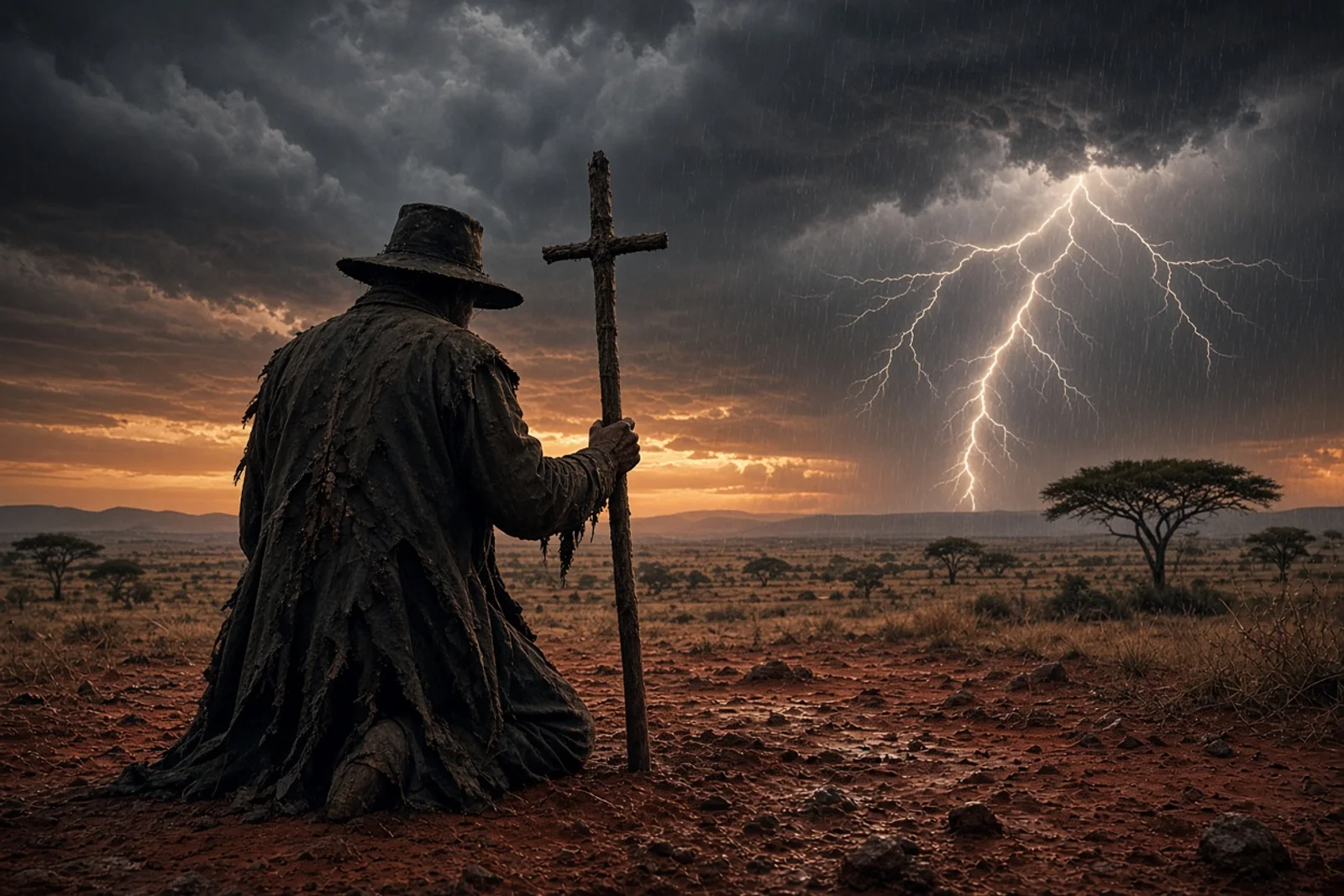
The water came to our chests by midday and the litter poles kept catching on hidden roots. We had been wading since before dawn, the flood plain stretching without a break, the sky the same dull grey it had been for weeks. Livingstone lay on the platform we had lashed together, his face turned to one side so the rain would not strike his eyes. He had not spoken since the previous evening.
Chitambo’s village appeared at last as a low rise of dry ground above the reeds. The men who lived there came out to meet us with dry grass bundles and offered the largest hut they had. We carried him inside and set the litter on the packed earth floor. He asked for water. Someone brought it in a gourd and he drank, then closed his eyes again.
He died on the first day of May while the sun was still low. Jacob Wainwright was the one who closed his eyelids. The rest of us stood outside the hut and listened to the village sounds carry on as if nothing had changed. Later that afternoon we sat in a circle and spoke about what must be done. The body could not stay here, yet no one wanted to leave all of him behind. The heart and the organs that had troubled him for so long were taken out and placed in a tin box we had carried for medicines. We dug the hole beneath the largest mpundu tree at the edge of the clearing.
Wainwright used a knife to cut letters into the bark. He wrote the date and Livingstone’s name and a few words in the language the local men understood. The box went into the earth and the soil was stamped down. We left the tree standing as it was, the rough grey bark already beginning to close over the cuts.
The body itself we wrapped in cloth and bark stripped from another tree, then bound with cord so it could be carried upright. We set out the next morning with the cylinder lashed between two poles. The floods had begun to drop, but the ground remained soft for many days. At night we kept the cylinder inside whatever shelter we could find and posted two men to watch it. No one slept soundly.
Months passed before we reached the coast at Dar es Salaam. The cylinder was loaded onto a ship bound for England. Two of us, Chuma and Susi, were asked to travel with it. The rest stayed behind with their wages and the promise that their names would be remembered.
In London the cylinder was opened at the rooms of the Geographical Society. A doctor examined the arm that had been broken years before by a lion and confirmed whose body it was. The badly set bone matched the stories Livingstone had told. The remains were moved to Westminster Abbey and placed in the nave. Wainwright, who had come with the body, threw a palm branch into the grave before the stone was set.
Chuma and Susi met Livingstone’s children and answered their questions about the last months. They described the tree and the inscription and the way the village men had helped without being asked. Queen Victoria sent a wreath that was buried with the coffin. The service lasted into the afternoon, and the choir sang the hymn Livingstone had requested years earlier when he thought he might not return.
The mpundu tree continued to grow. Insects and damp began to eat at the bark where the letters had been cut. An expedition reached the site in 1899 and removed the section that still held the words before the trunk could fall. That piece of wood now rests in a case far from the village, beside a photograph taken while the tree still stood.