




Desmond Tutu Chairs Truth and Reconciliation Commission
Archbishop leads national healing process
FaithTap · Oct 13, 2026 · 11 min read
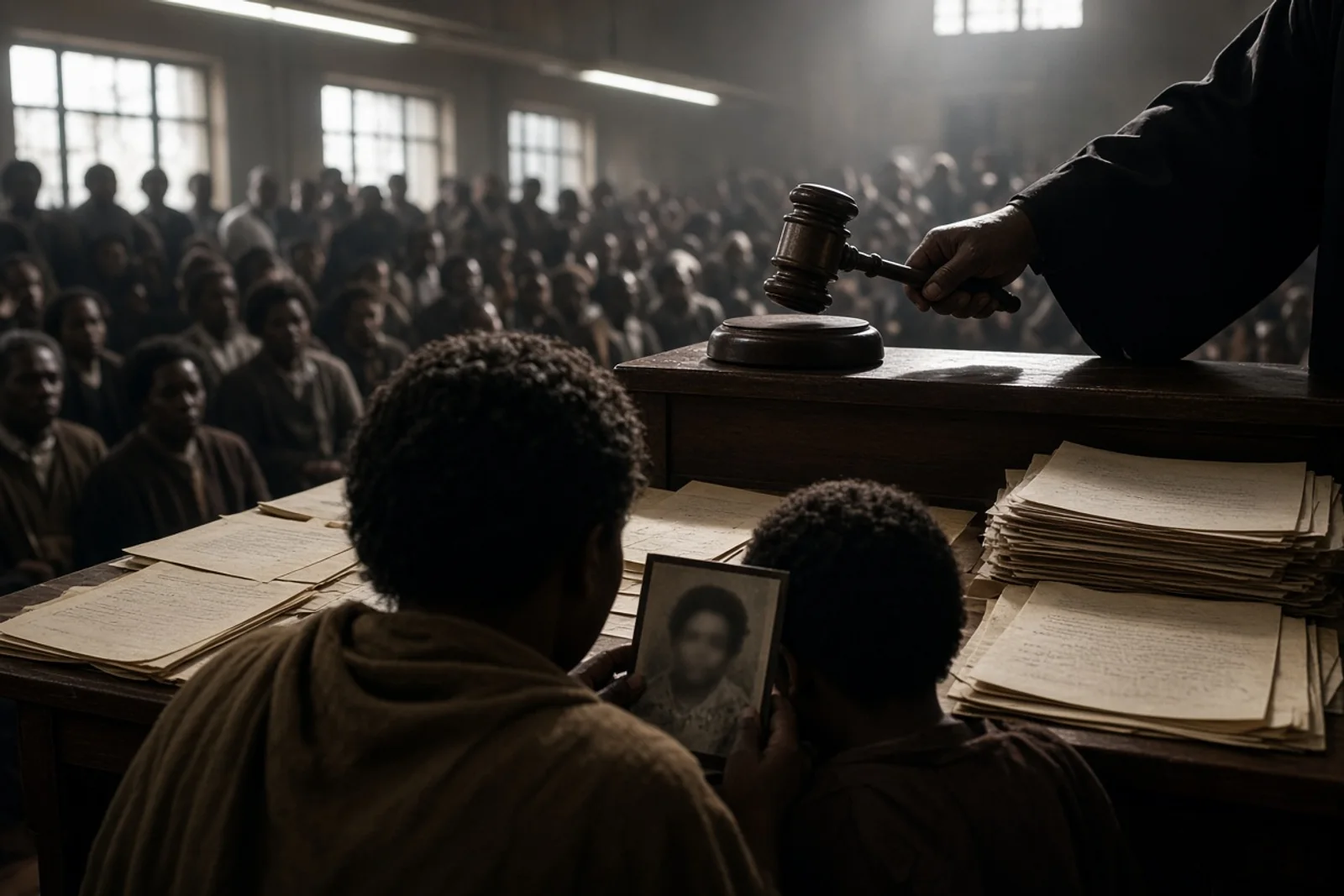
The hall in East London smelled of fresh paint and damp wool. I arrived before dawn with a blanket folded under one arm and a thermos of tea gone cold in my coat pocket. People already lined the street, some in church clothes, others in the same jackets they wore to the mines. A woman next to me kept rubbing her wrist where an old fracture had never set straight. She did not speak, only shifted her weight when the line moved forward an inch.
Inside, the wooden benches were hard. I chose a seat three rows from the front so I could see the commissioners clearly. Archbishop Tutu sat in the center, his purple cassock bright against the gray wall. Alex Boraine leaned toward him, whispering, one hand covering his mouth. The room filled slowly. Someone dropped a file and papers scattered across the aisle. No one laughed.
Tutu stood. He thanked the staff for the long nights that had brought the commission to this first public day. His voice carried without strain. He reminded us that every South African carried wounds from the same years, whether we had given the orders or received the blows. Then he sat again and the first witness was called.
A man walked to the microphone. He gave his name and the year his brother disappeared after a raid in Port Elizabeth. He described the knock on the door at three in the morning and the way the police van reversed down the street with its lights off. When he finished, the room stayed quiet long enough to hear the ceiling fan click. Tutu thanked him and passed a tissue across the table with both hands.
By midday the air had thickened. Another witness, a woman from Uitenhage, spoke about the day her daughter was shot during a school protest. She kept her eyes on the floor while she talked, as if the story might still be dangerous. Tutu interrupted once to ask if she needed water. She shook her head and continued. When she stepped down, two commissioners left the table at the same time and did not return for several minutes.
I stayed through the afternoon session. The light outside the high windows turned gold then faded. A man who had once worked for the security police gave evidence next. He admitted to burning files and to driving a detainee to a remote spot outside King William’s Town. His voice stayed flat until the end, when he asked whether the commission could tell the family where the body had been left. Tutu answered that the investigators would begin work the next morning. The man nodded once and sat.
That evening I walked back along the harbor. Fishing boats rocked against the quay. I thought about the queue that would form again at sunrise. Some people had traveled from Johannesburg and Durban. Others lived within walking distance and still looked surprised to find themselves inside the same building where statements were being recorded.
The second day brought rain. Water ran down the windows in steady lines. A young man testified about being held in a cell with his father. He described the smell of the disinfectant they used after each session with the electric cables. Tutu closed his eyes while the translator repeated the words in Xhosa. When the session ended, the commissioners remained seated until the last member of the public had left.
Over the following weeks the pattern repeated. Witnesses arrived with folders of photographs and hospital records. Some asked for money to repair a roof damaged during a raid. Others asked only for the name of the officer who had signed the detention order. Tutu listened each time, sometimes leaning forward until his forehead nearly touched the microphone. Boraine took notes on a yellow pad and passed them to the legal team seated along the side wall.