




Dietrich Bonhoeffer Joins the Plot Against Hitler
Pastor imprisoned and executed for opposing the regime
FaithTap · Sep 26, 2026 · 10 min read
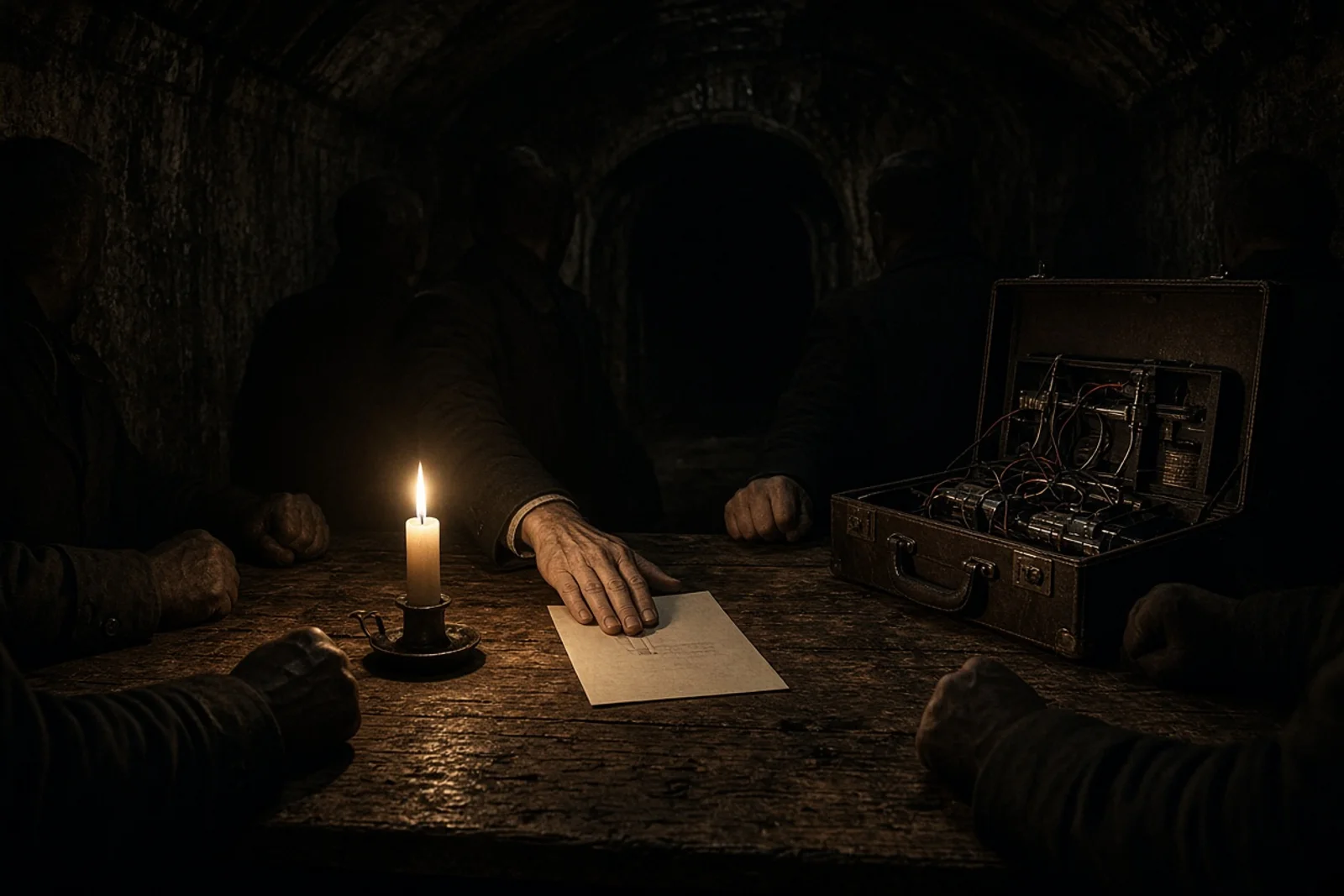
The platform at the Anhalter Bahnhof smelled of wet coal and damp wool. I stood near the barrier with my collar turned up, watching passengers step down from the overnight train. A tall man in a dark overcoat moved through them without hurry. He carried only a small case. When he reached me he gave the agreed sign, a brief touch to his hat brim, then followed without a word.
We walked two blocks to the apartment on the third floor. The stairs creaked under our steps. Inside, the blackout curtains were already drawn. Hans von Dohnanyi stood by the table with a map spread out, the corners held flat by two coffee cups. Bonhoeffer set his case down and waited.
Dohnanyi spoke first. He said the Abwehr needed someone who could travel under church cover and speak with contacts in Switzerland and Sweden. Bonhoeffer asked what exactly would be required. Dohnanyi answered that it would not be sermons. Bonhoeffer nodded once and sat.
The meeting lasted until after midnight. They spoke of routes, of names that must never be written, of the difference between asking for peace and preparing the means to end the war. I made coffee on the small stove and kept the door watch. When Bonhoeffer left, the sky had begun to pale over the roofs.
In the weeks that followed I drove him to several more such meetings. He rarely spoke of what was said. Once, on the way back from a house near Potsdam, he asked me how long I had been with the circle. I told him since the year before. He said nothing more until we reached the city.
By early spring the Gestapo had begun watching the Confessing Church seminaries. Bonhoeffer’s name appeared on lists. Still he continued the trips. In March he met with Joseph Müller and others who carried messages to the Allies. I waited outside those rooms and listened to the weather reports on the car radio.
On the fifth of April the order came for his arrest. I was not at the house when they came, but the report reached me the same evening. They took him to Tegel military prison on the northern edge of the city. The cell was on the third floor, number 92. He was allowed books and writing paper after the first weeks.
I visited once under the pretext of delivering a package from his family. The guard let me speak with him for ten minutes through the bars. He looked thinner. He asked about the others and whether any word had come from Switzerland. I gave the answer we had agreed on. He thanked me and said the light in the cell was better than he had expected.
Letters began to leave the prison. Some reached us through his lawyer. In them he wrote of the daily routine, of the sound of the courtyard at dawn, of the question whether a Christian could remain silent when the state demanded the death of the innocent. He did not mention the plot by name.