




Dietrich Bonhoeffer Leads Finkenwalde Seminary
Pastor trains illegal Confessing Church students.
FaithTap · Oct 2, 2026 · 11 min read
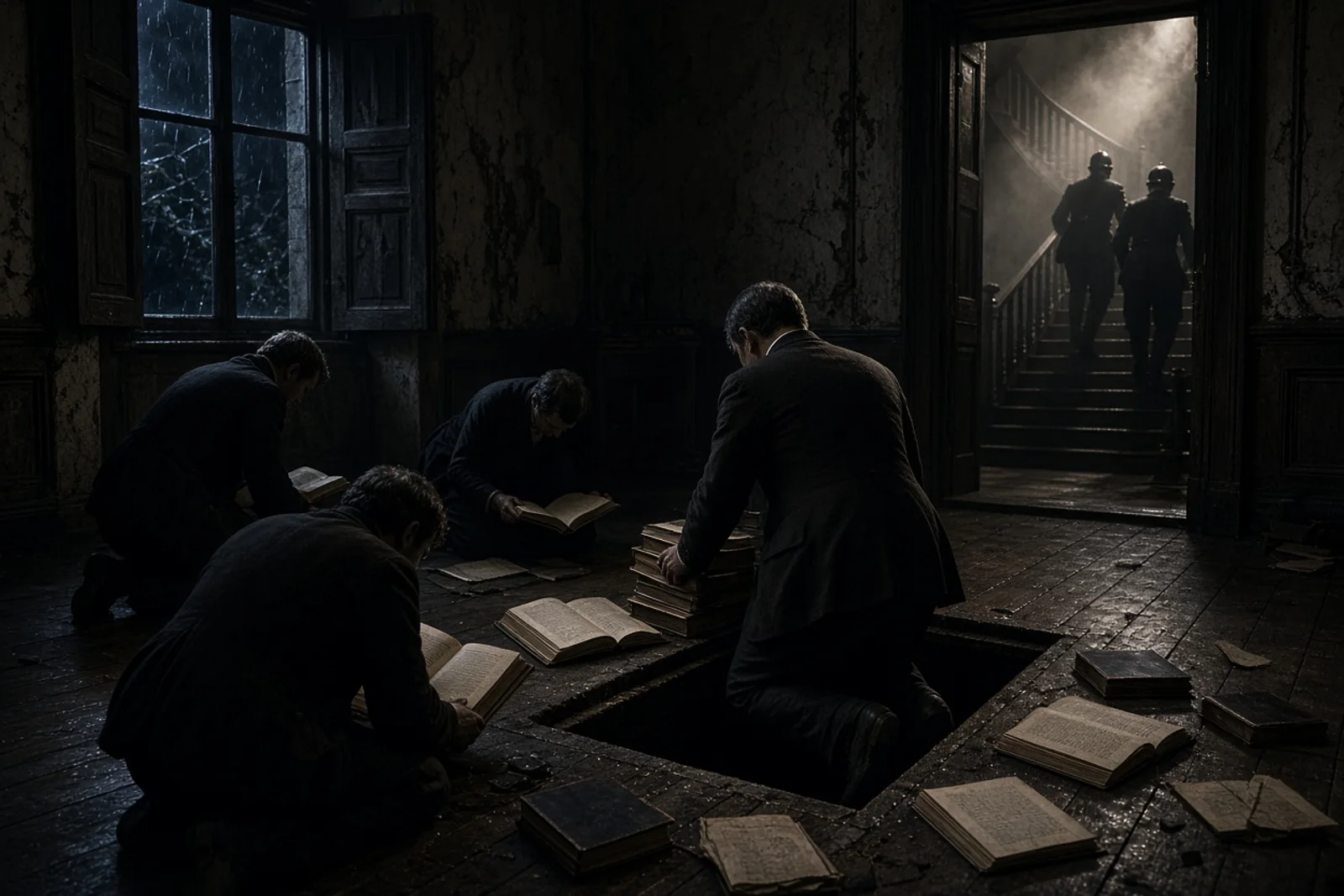
The train from Stettin rattled over the last stretch of track, and I pressed my face to the window as the Baltic pines thinned into open fields. We had been told only to report to the old manor house outside Finkenwalde, nothing more. My suitcase held two shirts, a Greek New Testament, and the letter from the Council of Brethren that had summoned me away from the university lectures I had once thought would define my life.
Bonhoeffer met us at the gate. He wore a dark suit and carried a stack of hymnals under one arm. He asked each of us our names, then pointed to the low building where we would sleep. No speeches. Just the instruction to be ready for morning prayer at five.
The first weeks passed in a rhythm none of us had known in Berlin or Tübingen. Before breakfast we read a psalm aloud together, then chapters from the Old Testament and the New. Bonhoeffer insisted we speak the words slowly, as if the text itself might answer back. In the afternoons we parsed Hebrew verbs under the trees. Eberhard Bethge sat two desks away from me, already fluent enough to correct the rest of us without looking up from his page.
Evenings brought the real work. Bonhoeffer gathered us in the common room and read from the Barmen Declaration, line by line. He asked what it meant for a preacher to confess Christ alone when the state demanded another loyalty. Some nights the questions went unanswered. We sat with them until the lamps burned low.
Karl Barth wrote from Switzerland that the experiment was too narrow, too pietistic. The letter reached us through the post, and Bonhoeffer read it aloud without defense. He said only that the church in Germany had already tried the broad path and found it led nowhere. Most of us stayed. A few packed their bags the next morning.
By July the house had settled into its own weather. We rose before light, meditated on a single verse for an hour, then walked the lanes in pairs to practice preaching. Bonhoeffer walked with us sometimes, silent until one of us asked whether the sermon should name the German Christians directly. He answered that the text would name them if we let it.
The Gestapo visited once that summer. Two plainclothes men stood in the doorway while Bonhoeffer showed them the schedule and the library. They left without taking names. We resumed the afternoon lecture as if nothing had changed, though the room stayed quieter for the rest of the day.
Prayer shaped the hours between classes. Bonhoeffer required us to keep silence after lunch, then to pray together before supper. The prayers were ordinary at first—requests for strength, for clarity—but they grew shorter and more direct as the weeks passed. Bethge once admitted he had never prayed aloud with other men until coming here. The rest of us nodded.
October brought the move from Zingst. The manor at Finkenwalde offered more rooms and a larger chapel space. We carried the books ourselves, stacking them on the new shelves. Bonhoeffer marked each volume with a date and a verse before returning it to its place. The routine held through the winter despite the cold that seeped through the walls.