




Dietrich Bonhoeffer's Letters from Prison Inspire Resistance
Theologian writes letters on costly grace while imprisoned for opposing Nazis.
FaithTap · Sep 28, 2026 · 10 min read
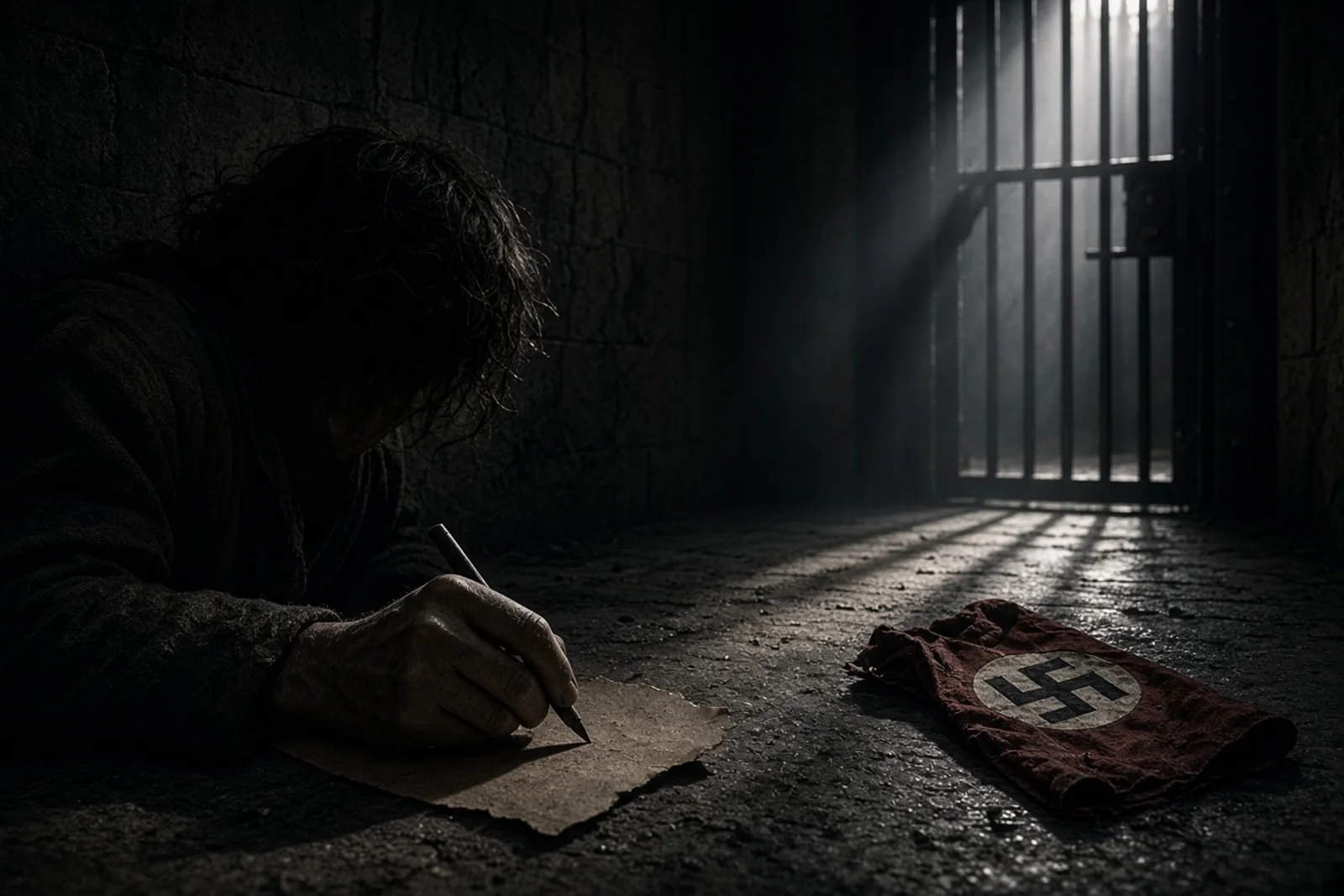
The guard on the night shift shoved the cell door wider with his boot and the smell hit first, damp stone and the sour edge of the bucket. I stood just inside the frame holding the tin tray, bread and a tin cup of thin soup, and watched the new prisoner sit on the edge of the cot. He wore civilian clothes still, dark wool coat folded beside him, and he looked up without hurry.
He asked my name. I gave the one on the roster. He nodded as if it mattered and took the tray. Two cells down a man coughed through the wall, the same dry hack that had started when the sirens woke us at three. Bonhoeffer set the cup on the floor and tore the bread in half. He ate slowly, listening to the cough.
By the third week the letters began. He wrote at the small table under the high window when the light lasted. I passed the folded pages to the family through the sympathetic orderly on the day shift. They came back with answers tucked inside the official envelopes. The censors never caught the real ones. Bonhoeffer never asked how the arrangement worked. He simply handed me the next sheet when it was ready and said the names that needed reaching: his parents first, then Maria, then Eberhard Bethge before the orders sent him south.
Berlin burned on clear nights. The searchlights swung across the roof and the flak batteries opened from the parks. Inside the walls the prisoners counted the intervals between blasts. Bonhoeffer wrote about grace that cost something, about obedience that could not stay private. I read one page while the sirens still howled and the words stayed with me when I walked the corridor afterward. The same sentences traveled outward through the network that had already hidden Jews and forged papers. Men in the Abwehr read them and passed them further. The resistance had no single headquarters, only these thin threads.
His sister Christine was held in another building. Hans von Dohnanyi sat under interrogation in the city. Bonhoeffer asked after both in every permitted letter home. He asked after the children too, whether the schools still ran and whether the garden had survived the last raid. The answers came back short because of the censors, yet he read them as if they contained the whole city.
Maria visited when permission finally arrived. She stood in the visiting room with her hands on the table, gloves still on, and spoke of the wedding that would have to wait. Bonhoeffer listened without interrupting. After she left he returned to the cell and wrote again, this time to Bethge about the child that would be born while the war still ran. He asked to stand as godfather. The letter reached the family garden where Bethge buried the growing stack of pages under the rose bushes.
Summer brought more bombers. The prison lost windows and gained extra buckets. Bonhoeffer shared his own rations with the man whose cough had turned to fever. He wrote that the church could not stand aside while the state named its enemies and called it law. The pages left the cell in the same orderly way, passed hand to hand until they reached men who still carried sidearms and still answered to Canaris. Some of those men began to speak of July as the month when something must break.
The interrogations continued for Bonhoeffer. He returned from them with new bruises on his wrists and still asked for paper. The letters grew shorter because the censors watched closer, yet the real messages kept moving. Bethge reached Italy and wrote from the front that the Allies had landed. Bonhoeffer answered that the garden in Berlin still needed tending and that the child should be named after him if the father did not return.
By autumn the resistance had read enough of the prison pages to know the cost was already being paid. The same men who once only talked began to carry explosives. The letters did not order the attempt on Hitler; they simply refused to let the cost remain abstract. When the bomb failed in July 1944 the arrests widened. Bonhoeffer was moved from Tegel to other cells and finally to Flossenbürg. The last page I carried out of the prison was written before that transfer. It asked only that the family keep the child safe and that Eberhard remember the garden.